Hair Care Product Trends; From Science to Sustainability in 2026
In recent years, the hair care products market has become one of the most dynamic sectors of the beauty industry, where innovation, the scientific development of formulations, the selection of suitable detergent raw materials, and attention to consumer well-being have become more prominent than ever. Looking at the developments of 2025, it can be seen that these trends have not only led consumers toward a new form of “targeted care,” but have also largely shaped the direction of product development in 2026.
Today, hair care is no longer limited to the use of shampoo and conditioner, but has become a comprehensive experience in the field of health and well-being. Although these products remain the main foundations of hair care routines, consumers are increasingly seeking more complete and effective routines; products that, in addition to maintaining hair health and repairing hair, also provide a luxurious and enjoyable experience.
In this article, we will comprehensively examine the following areas in the hair care industry:
- The emergence of multi-functional products and the evolution of formulations from the 1980s to the present.
- The vegan and organic product movement with a focus on oleochemical raw materials and sustainable alternatives.
- Analysis of effective chemical ingredients such as hyaluronic acid, peptides, and Polyquaternium-7.
- Emerging phenomena such as “Glass Hair” and “Skinification”.
- The role of artificial intelligence in personalizing chemical and cosmetic products.
1. Multi-functional Products (Multi-functional)
The idea of multi-functional products in the hair care industry dates back to the 1980s, when major brands began introducing combined shampoo-conditioners to make the hair washing and care experience easier for consumers. Over time, this concept evolved, and today multi-functional products include not only cleansing but also repairing ingredients, heat and UV protection, and even color care. Recent advances in sulfate-free formulations make it possible for shampoos and conditioners to also function as treatments, providing hair nourishment and protection in a single step. These types of formulations are fully aligned with consumers’ demand for convenience and high performance.
Common trends in multi-functional products include:
- Repairing shampoo-masks
- Nourishing conditioners with strengthening performance
- Specialized serums and oils that simultaneously nourish and style the hair.

Read more:Influential Trends in Cosmetic and Personal Care Raw Materials in the Next 25 Years
2. Natural, Organic, and Vegan Products
Today’s brands offer sulfate-, paraben-, and silicone-free formulations to attract different consumer groups and instead use natural and plant-based ingredients such as aloe vera, argan oil, botanical extracts, and environmentally compatible ingredients. Vegan products have also gained greater popularity due to consumers’ attitudes toward animal-derived resources and animal rights.
The Role of Sustainable Oleochemical Raw Materials
Oleochemical raw materials are aligned with this trend because of their use of sustainable and environmentally friendly raw materials. Waterless products (such as powders, soaps, or concentrates) also reduce packaging waste and carbon emissions while increasing formulation efficiency.
Table Examining Innovative Raw Materials in Sustainable Formulations:
| Raw Material / Trend | Characteristics and Application in Formulation |
| Plant-Based Alternatives to Keratin | Environmentally friendly and vegan products for repairing hair structure |
| Jojoba-Based Silicones | Alternative to traditional silicone; conditioning without a heavy feel |
| Hyaluronic Acid and Glycerin | Key humectants for maintaining moisture and preventing dryness |
| Polyquaternium-7 | Film-forming agent and gloss enhancer (Glass Hair) |
| Biotin (Biotin) | Hair shaft strengthening agent and prevention of breakage |
| Peptides (Peptides) | Follicle strengthening and improvement of scalp blood circulation |
| Antioxidants (Vitamin E) | Protection against environmental damage and free radicals |
Read more:Formulation Strategies for Producing Popular Detergents
3. Glass Hair Trend (Glass Hair)
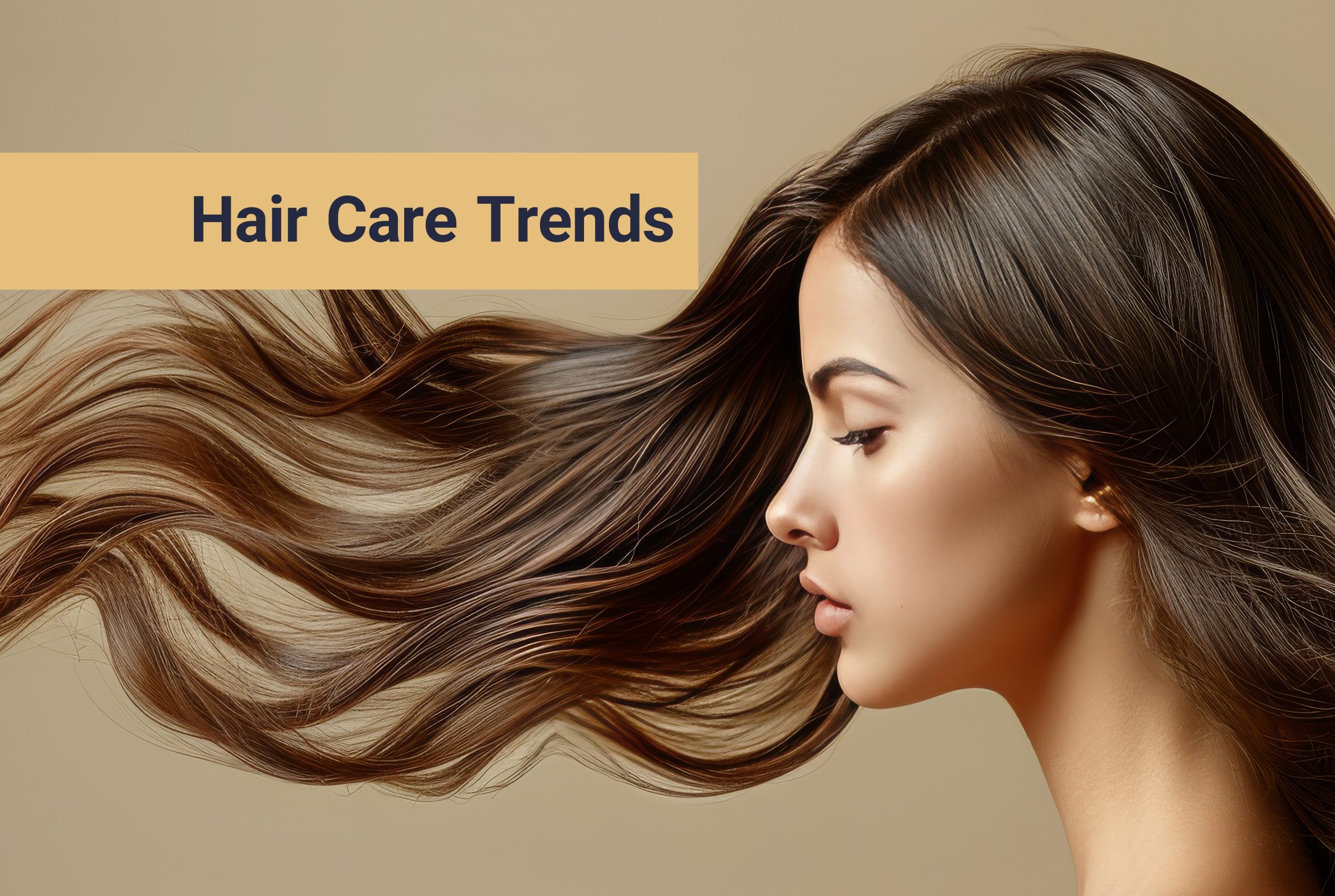
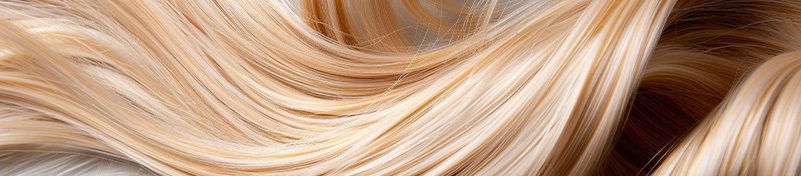
The Glass Hair trend, characterized by an exceptionally shiny, smooth, and luxurious appearance, has quickly become one of the most popular trends in the beauty world. The primary focus of this trend is hair health and its natural shine. To achieve this appearance, the use of conditioners, nourishing masks, and lightweight shine-enhancing products plays a key role; these products create long-lasting shine and a smooth, even surface without weighing the hair down. This trend represents the combination of beauty, hair care, and hair health with a minimalist and elegant appearance. Polyquaternium-7 is one of the products that helps enhance hair shine by creating a protective film on the hair.
4. Skinification (Skinification)
One of the most important trends in recent years is the transfer of skin care concepts to hair care, a trend known as “Skinification”. This approach uses scientifically active ingredients such as hyaluronic acid, niacinamide, peptides, and ceramides, which were previously used in skin care products and are now being used to hydrate the scalp, strengthen follicles, and improve hair health. This shift not only improves hair health but also transforms products from purely surface-level beauty products into products with real functional effects.
5. Personalization and Artificial Intelligence
Another important trend is the personalization of hair care routines. In recent years, artificial intelligence technologies and diagnostic tools have enabled brands to offer products specifically tailored to individual consumer needs. These tools can analyze scalp condition, hair type, lifestyle, and even genetic data and provide customized formulations designed to deliver the best results for the consumer.
Padideh Shimi Jam, a knowledge-based company, is a manufacturer of chemical raw materials in Iran. To purchase and place an order, contact the sales experts of this company at 02188580000.
Summary and Conclusion
Developments in the hair care industry indicate a profound shift toward science-driven approaches and sustainability. The penetration of skin care concepts into the world of hair (Skinification) and the growing demand for plant-based alternatives to keratin and silicone have created a unique opportunity for raw material manufacturers to meet market needs by focusing on oleochemical materials and high-performance ingredients such as peptides and Polyquaternium-7. The future of this industry depends on balancing chemical effectiveness, environmental protection, and personalization through advanced technologies.
Source: Mordor Intelligence