
The paint and coating sector stands as one of the largest and most dynamic segments of the chemical industry, playing a critical role across architectural, automotive, marine, industrial, and artistic applications. The ultimate quality of any paint or protective coating product directly depends on the quality of its paint and resin raw materials. Resins, pigments, solvents, additives, and fillers constitute the five primary pillars of these formulations. They are engineered in precise ratios to determine the final product’s appearance, resistance, gloss level, and environmental durability.
Every professional manufacturer recognizes that a precise formulation is only one part of the equation; the more crucial factor is sourcing the right chemical raw materials. The grade of the resin or pigment, alongside the specific solvents and performance additives utilized, can drive substantial differences in the final product’s physical properties. Substandard or incorrect selection frequently triggers critical failures such as pigment settling, discoloration, loss of adhesion, or film peeling. Consequently, B2B procurement should never prioritize low cost alone; instead, it must strictly target chemical purity, batch-to-batch consistency, and structural compatibility.
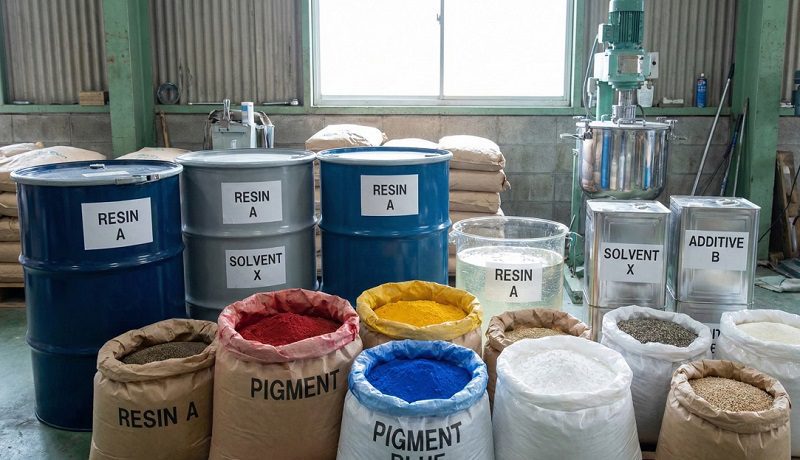
The resin is the structural backbone of any coating system. Upon curing or drying, this polymeric matrix forms a continuous, resilient film that encapsulates and anchors the pigment particles to the substrate. Resins dictate fundamental performance parameters including gloss retention, mechanical adhesion, scratch resistance, chemical barriers, and weathering tolerance. Depending on application constraints, formulations leverage solvent-borne, water-borne, or multi-component (two-pack) resin chemistries. Selection criteria must thoroughly evaluate the intended market segment (automotive, architectural, industrial protective) alongside exposure variables such as humidity, heat, and UV radiation.
Pigments are insoluble solid particulates that impart color, opacity, and structural hiding power to the coating film. They are broadly categorized into organic and inorganic types. Inorganic variants typically offer superior lightfastness and thermal stability, whereas organic pigments deliver high color intensity and chromatic diversity. Key secondary functions of functional pigments include:
Critical parameters during pigment procurement involve precise particle size distribution, heat stability, and ease of dispersion within the binder matrix.
Solvents are volatile liquids utilized to reduce the formulation viscosity, facilitating optimal application, leveling, and uniform film formation. The choice of solvent chemistry is intrinsically tied to the resin matrix and application method. For instance, eco-friendly co-solvents dominate water-borne coatings, whereas heavy duty industrial applications demand tailored solvent blends with controlled evaporation profiles. Selecting the right solvent requires thorough evaluation of evaporation rates, flashpoints, and solubility parameters, as these directly govern the drying kinetics and final film integrity.
Additives are specialized specialty chemicals incorporated in minor weight percentages that exert profound control over the manufacturing process and final coating performance. They target and eliminate structural vulnerabilities, offering properties ranging from macro-foam suppression during production to long-term biocidal or anti-corrosive protection. Common types encompass defoamers, wetting and dispersing agents, biocides, adhesion promoters, and rheology modifiers.
Advanced paint and resin engineering relies on an intricate matrix of performance additives to stabilize, refine, and optimize coating application. Surface-active agents (surfactants) and fatty acid amides play a critical role in these systems.
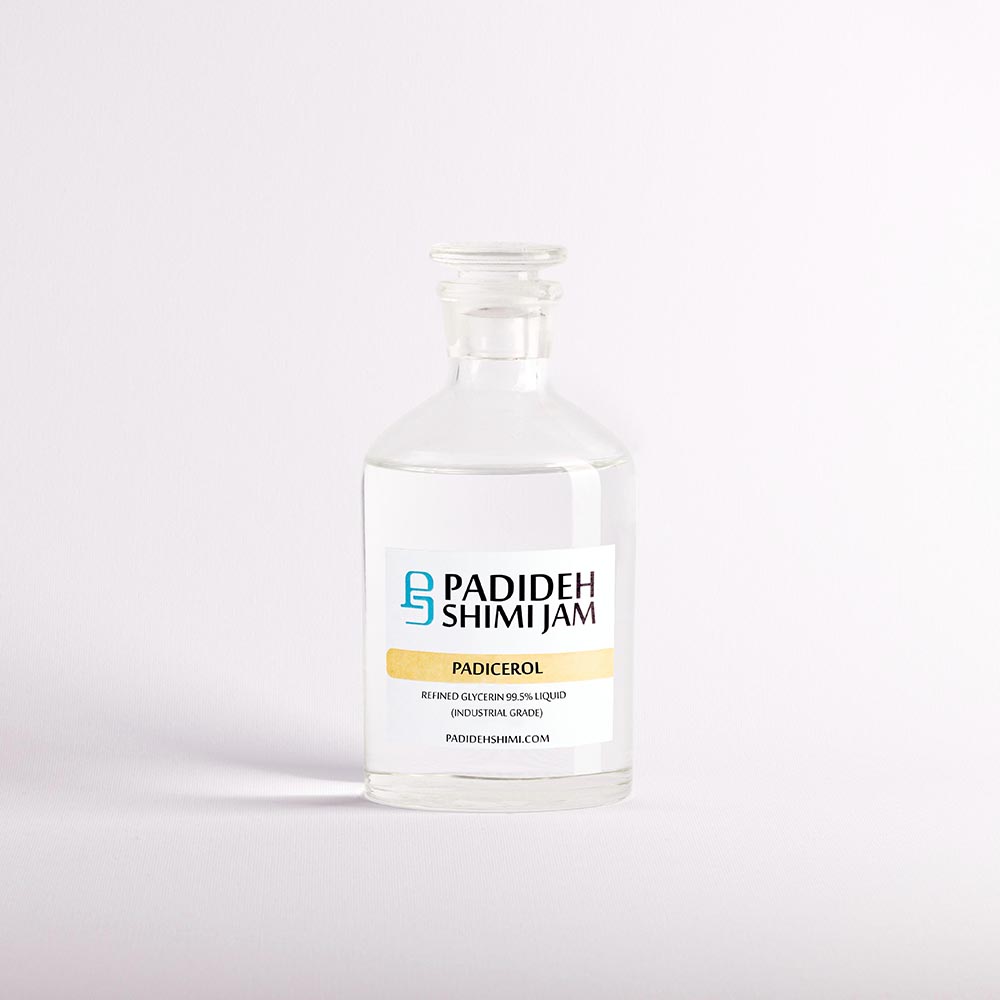
A versatile chemical building block in this sector is crude / refined industrial glycerin, widely utilized as a solvent, plasticizer, or essential raw material in alkyd resin synthesis. Concurrently, specialty surfactants such as cocamidopropyl betaine and sultaines are deployed to ensure emulsion stability in eco-friendly water-based paints while regulating wet-state viscosity. These surfactant compounds facilitate uniform pigment wetting and binder distribution.
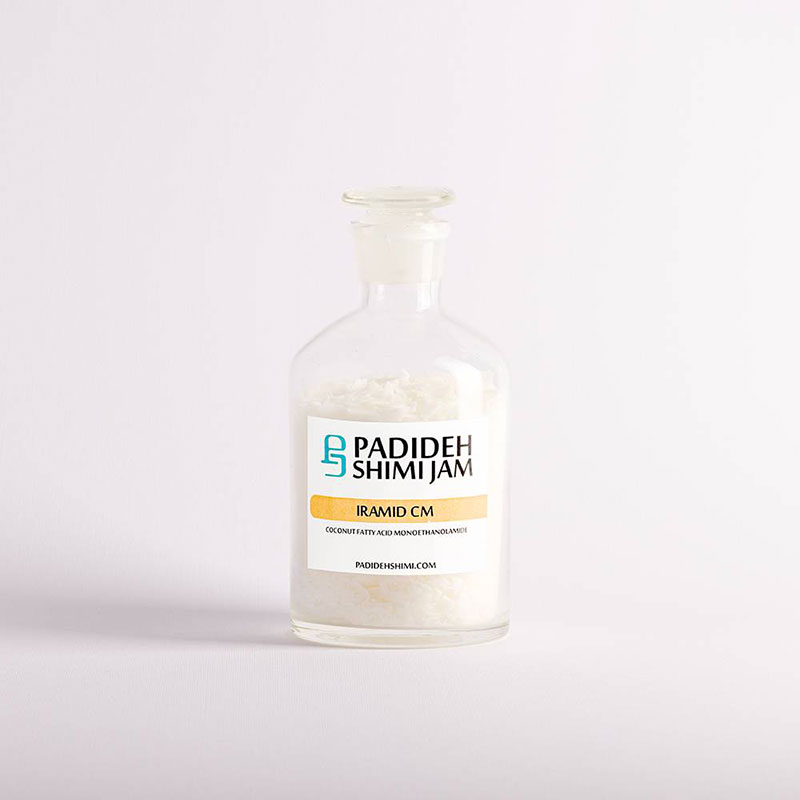
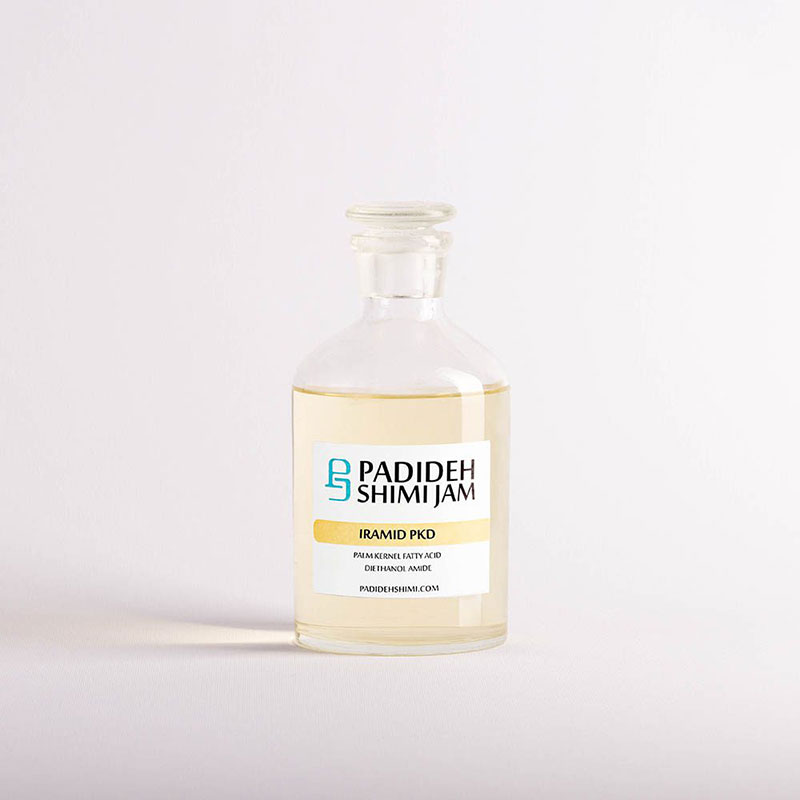
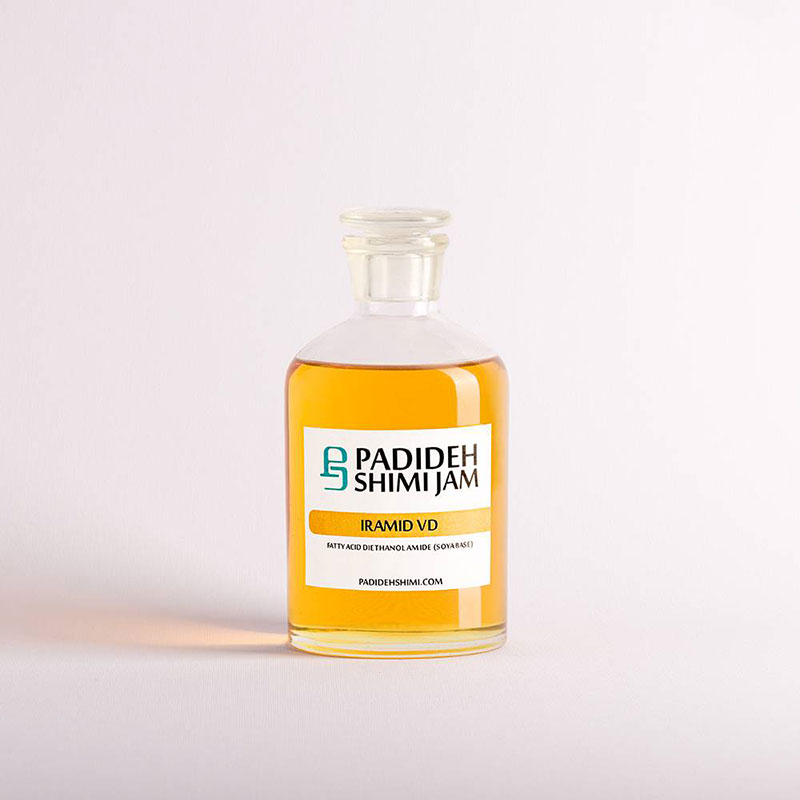
Furthermore, fatty acid-derived alkanolamides—including Coconut Fatty Acid Diethanolamide (CDEA), Coconut Fatty Acid Monoethanolamide (CMEA), Palm Kernel Fatty Acid Diethanolamide, and Soyamide DEA—serve as highly efficient thickeners, emulsion stabilizers, and rheological rheology modifiers in resin emulsions and specialty coatings. Leveraging their inherent emulsifying and stabilizing mechanics, these intermediates ensure long-term shelf stability and application properties in modern industrial coatings.
Fillers or extenders are functional mineral solids primarily incorporated to optimize formulation cost efficiency while enhancing key physical characteristics. They improve film build, abrasion resistance, and mechanical toughness, while contributing to gloss control and surface texture. Extender selection must balance particle morphology, Mohs hardness, color profiles, and oil absorption values relative to the entire formulation matrix.
Successful B2B raw material sourcing extends beyond simple price-per-kilogram metrics. Industrial purchasers must analyze a matrix of technical data points:
Procurement must align with the end-use performance criteria. Architectural formulations demand distinct resin and additive architectures compared to heavy-duty automotive OEM or marine protective coatings.
Every chemical batch must be verified against its official Technical Data Sheet (TDS) and Safety Data Sheet (SDS). These regulatory documents provide critical information on chemical parameters, handling protocols, storage hazards, and regulatory compliance.
Before initiating commercial bulk orders, QA/QC laboratories must conduct pre-shipment sample testing to validate compatibility, purity, and rheological performance within the target formulation.
Reliability and supply chain stability are vital in industrial chemical sourcing. Key evaluation factors include continuous technical support, consistent batch uniformity, and long-term supply capacity.
Different chemical grades may share similar visual aspects while differing immensely in active concentration or purity profiles. Procurement must evaluate active substance percentages to calculate true cost-in-use metrics.
Integrating standardized, high-purity chemical ingredients reduces manufacturing scrap rates, prevents batch rejections, and delivers distinct market advantages:
In the protective and decorative coatings sector, raw material pricing represents a substantial variable in total cost of goods sold (COGS) calculations. Price volatility in global petrochemical indexes directly shifts the manufacturing cost of downstream architectural paints, industrial epoxies, and automotive coatings.
Key inputs like alkyd, epoxy, and acrylic binders, Titanium Dioxide (TiO₂) pigments, and specialty aromatic or aliphatic solvents command the majority of formulation costs. Maintaining competitive advantages requires constant tracking of global supply-demand balances, energy costs, and logistic constraints affecting these chemical intermediates.
The paint and resin industry is subject to fluctuations in international petrochemical production capacities and currency exchange volatility. Concurrently, regulatory shifts toward sustainability have accelerated the demand for water-borne systems and bio-based raw materials. Manufacturers must adapt by identifying next-generation chemical intermediates to maintain market share. Partnering with structured distributors featuring localized warehousing networks offers a proven hedge against import restrictions and customs delays.
Given the hazardous and flammable nature of many industrial chemical raw materials, strict adherence to health, safety, and environmental (HSE) protocols is mandatory:
Achieving commercial coating performance requires balancing critical volumetric ratios. The pigment volume concentration (PVC) and the specific binder-to-solvent balance determine:
Modern R&D is driven by green chemistry principles. The transition toward high-solids formulations, water-borne resin technologies, bio-degradable surfactants, and heavy-metal-free pigments represents the industry’s primary growth trajectory. Investing in advanced chemical sourcing that minimizes ecological footprints serves as a key brand differentiator for leading coatings manufacturers.
Leading chemical manufacturers do not simply sell products; they provide complete technical synergy. Leveraging a supplier’s application laboratories for compatibility analysis, structural resin selection, and troubleshooting can significantly optimize development timelines. Partnering with an R&D-centric supplier ensures long-term process optimization.
Prior to formalizing purchase orders, purchasing departments must verify:
Padideh Shimi Jam is a leading knowledge-based chemical raw materials manufacturer in Iran. To inquire about pricing or to place bulk orders for paint and resin raw materials, please contact our technical sales team at 02188850000.
Frequently Asked Questions (FAQ)
1. Can a single resin type be utilized across all industrial coatings?
No. Resin polymers possess unique molecular structures tailored to specific properties. A high-performance industrial epoxy resin optimized for chemical resistance lacks the elasticity and UV stability required for decorative architectural finishes.
2. What is the technical distinction between water-borne and solvent-borne coatings?
Water-borne systems utilize water as the primary continuous phase to disperse the binder, significantly lowering VOC emissions and odor profiles. Solvent-borne systems leverage organic solvents, yielding superior drying speeds in low-temperature environments and high performance in aggressive industrial climates.
3. Is the integration of specialized additives mandatory?
Yes. Additives are essential to achieve long-term emulsion stability, uniform pigment suspension, and flaw-free application. Skipping or reducing these compounds can result in phase separation, foaming, or catastrophic film failure.
4. How can industrial purchasers verify chemical raw material quality?
Quality assurance requires analyzing comprehensive TDS/MSDS documentation, auditing the producer’s Certificate of Analysis (COA) per batch, and performing internal laboratory pilot tests prior to commercial application.
5. Do chemical raw materials for the paint and resin sector feature specific shelf lives?
Yes. Many binders, monomers, and surfactants possess clear expiration windows. Inappropriate warehouse management (e.g., moisture exposure, thermal spikes) can trigger premature polymerization, separation, or loss of chemical activity.