
Magazine & Blog

Latest Posts

Newsletter

Opening of the Eshtehard Factory

Opening of Padideh Shimi Jam Factory in Eshtehard

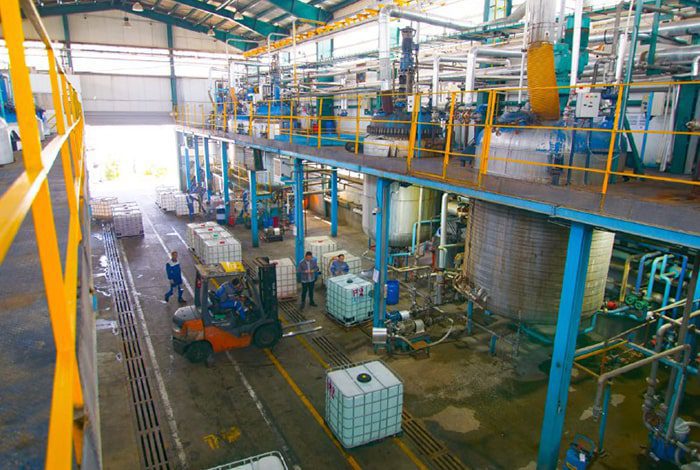
Padideh Shimi Jam, a knowledge-based company and one of the subsidiaries of Golrang Industrial Group, began its activities in 2013 in the field of trading and production of detergent raw materials in Eshtehard Industrial Town. The company was established to further develop the quality and quantity of its products, respond to customers’ current needs, and uphold the principle of customer orientation.

Opening of the Zanjan Factory

Padideh Shimi’s Zanjan Factory

Padideh Shimi Jam, a knowledge-based company and a manufacturer of chemical raw materials, operates with the mission of producing high-quality products worthy of Iranian consumers and promoting Iranian products across regional markets. By producing USP-grade glycerin as Iran’s first and only glycerin manufacturer operating in compliance with international standards, with a production capacity of 45 tons per day, the company has successfully met the demand of domestic industries and taken a fundamental step toward national self-sufficiency in glycerin production and eliminating the need for its import.

استراتژی‌ فرمولاسیون برای تولید شوینده‌های پرطرفدار

Key Formulation Strategies for Top-Selling Detergents (4 Important Strategies)

Using the right formulation strategies can directly affect product quality, performance, and consumer satisfaction, as detergent formulation is widely regarded as one of the most critical factors in manufacturers’ success in this industry. In today’s competitive market,  offering a detergent is not enough; it is essential to develop a product that delivers strong cleaning performance while meeting consumers’ real needs. Therefore, understanding the principles of detergent formulation and adopting effective strategies can provide a practical path to creating popular, long‑lasting products in the market.

Formulating detergent products also requires careful attention to physical properties such as viscosity, appearance, and color. These factors significantly influence consumer impression, ease of use, and overall market success. Industry leaders and formulators agree that maintaining precise control over these parameters through the selection of  chemical raw materials and the application of strategic formulations is vital for ensuring high-quality detergent production.

In this article, we discuss four key formulation methods and strategies for developing high‑demand detergents.

استراتژی فرمولاسیون مناسب برای شوینده مورد پسند

1- Formulation Strategies and Their Effect on Detergent Viscosity:

In liquid detergents, viscosity influences factors such as product flowability, stability, and cleaning performance.

Viscosity plays a cruial role in a detergent’s cleaning performance. An ideal product should maintain a balanced viscosity to effectively deliver its cleaning agents. If the viscosity is too high, the product’s flowability is negatively affected; conversely, excessively low viscosity can lead to product instability or a reduced ability to remove dirt and stains.

A common misconception exists in the global detergent market: “The thicker the liquid, the greater its cleaning power.” While many manufacturers aim to satisfy consumer, some mistakenly prioritize viscosity over formulation performance.

Numerous factors influence a detergent’s viscosity, including the use of thickeners, temperature, foaming capacity, and other variables. Furthermore, the optimal viscosity for any cleaning product may vary depending on its specific application and usage conditions.

2- Appearance of Detergents:

The visual appeal of detergents plays a crucial role in consumer preference. A product’s appearance includes characteristics such as clarity, opacity, and texture—including smoothness or the presence of suspended particles. Another key formulation strategy for detergents is to develop products with a pleasing appearance.

تاثیر ظاهر در شوینده پر طرفدار

Clarity and Opacity

Clear Liquids: Transparent products are preferred in some markets because they convey a sense of purity and effectiveness. Maintaining this clarity requires careful control of  chemical raw material purity and formulation conditions. For example, sulfated surfactants may cause the product to become cloudy if not properly balanced.

Opaque Products: Opacifiers, are chemical additives used in the cosmetic, personal care, and household detergent industries to create opacity in formulations. Opacifiers are highly effective in a wide range of personal cares, including body cares, conditioners, facial cares, shampoos, and bath products Products such as Iramix PS310 and Irapon TSS are used as opacifiers and can serve as effective alternatives to polymeric opacifiers.

Pearlescent Products: These products are often associated with premium qualities. The pearlescent effect and shimmer are created by adding ingredients such as Iramix, Iramix EM20, Irapon 98, and Irapon 75.

Texture and Stability:

Chemical raw material suppliers recommend the use of stabilizers, emulsifiers, and hydrotrope-based products, such as sodium xylene sulfonate to maintain product uniformity throughout storage and use.

  1. Color and Formulation Strategy in Detergents

Color is a powerful marketing and branding tool that communicates brand identity, fragrance, and product type. The selection and stability of pigments influence consumer perception and the product’s shelf life.

Visual Appeal: Bright colors evoke a sense of cleanliness and freshness, enhancing consumer trust and brand recognition.

Performance Indicators: Some detergents use color to differentiate product types; for example, blue is often used for cold‑water washing products, while green is commonly associated with environmentally friendly products.

Masking the Appearance of Raw Materials: Pigments can conceal the natural appearance of raw materials, which may otherwise look dull or colorless.

However, these colors are usually water‑soluble dyes or pigments that do not stain fabrics or surfaces.

  1. The relationship between Viscosity, Appearance, and Color

Achieving a balance between viscosity, appearance, and color requires a precise formulation strategy and the careful selection of raw materials.

  • Compatibility: Some viscosity-increasing agents and pigments can interact with each other, affecting the product’s viscosity or causing color shifts. For instance, natural thickeners may impart an undertone to the formulation, which must be considered when selecting colorants.
  • Production Conditions: Temperature and mixing speed influence the uniform dispersion of pigments and thickeners, ultimately determining the final product quality.
  • Consumer Trends: The shift toward eco-friendly ingredients and transparent labeling has prompted changes in formulation strategies, such as reducing the use of synthetic dyes and focusing on natural textures.

Conclusion

Viscosity, appearance, and color are interconnected features that determine the quality and consumer acceptance of detergent products. Industry experts and raw material suppliers emphasize the importance of selecting the right thickeners, stabilizers, and pigments to produce products that are both functionally effective and aesthetically appealing. Continuous innovation, combined with strict adherence to regulatory and environmental standards, is shaping the future of detergent formulation, ensuring that final products remain efficient, attractive, and sustainable.

The Impact of the Cosmetics and Personal Care Industry on the Environment: Three Strategies for Sustainability

The environmental impact of the cosmetics and personal care industry has gained increasing attention in recent years. Sustainability is a crucial principle that emphasizes the need to meet present demands without compromising the ability of future generations to meet their own. Unfortunately, human activities and greenhouse gas emissions have contributed to serious environmental problems, including global warming and climate change. In this context, the choice and processing of chemical raw materials used in cosmetics also significantly contribute to these challenges.

Many of the consequences of these changes are irreversible and demand immediate action. Today, consumers are increasingly aware and seek products that are not only effective but also environmentally friendly. In response, cosmetic companies are striving to maintain their market position by selecting sustainable raw materials and adopting responsible practices, thereby contributing to the protection of our planet.

This article examines the factors influencing the cosmetic industry’s impact on the environment and climate change, as well as the role it can play in mitigating these effects.

تأثیر صنعت آرایشی و بهداشتی بر محیط زیست

Environmental Impacts of the Cosmetics Industry: It is widely known that increasing levels of greenhouse gases, such as carbon dioxide and methane—released through human activities—act like a blanket in the atmosphere, trapping infrared radiation and preventing it from escaping into space. This phenomenon, known as the greenhouse effect, gradually warms the atmosphere and the Earth’s surface, ultimately leading to global warming and climate change on local, regional, and global scales. The primary drivers of climate change include the burning of fossil fuels (gas, oil, coal), improper waste management, deforestation, and air pollution caused by greenhouse gases. In recent years, the cosmetics and personal care industry has demonstrated greater awareness of these issues and has taken steps toward improvement by modifying production methods and sourcing practices.

According to a reputable report published in *Frontiers*, the cosmetics industry has significant environmental impacts that cannot be overlooked.

“The beauty industry and its products have significant environmental consequences that cannot be ignored—from excessive packaging waste to the depletion of natural resources.”

Carbon Footprint in Cosmetic Product Manufacturing: Throughout the lifecycle of a cosmetic product—from sourcing raw materials to manufacturing, transportation, and waste disposal—the industry releases a significant amount of carbon into the atmosphere. The high energy consumption involved in extracting plant-based materials further exacerbates this issue. For example, the extraction process for shea butter alone emits approximately 10,374 kg of CO₂ per kilogram, encompassing all stages from traditional raw material sourcing to the production of the final cosmetic products.

Moreover, manufacturing processes such as heating, cooling, mixing, production, and the disposal of plastic packaging materials require significant amounts of energy. Unfortunately, much of this energy is still derived from fossil fuels, contributing to carbon emissions and accelerating climate change. As the cosmetics industry continues to grow, its carbon footprint expands, raising increasing environmental concerns.

Waste Management and Packaging: According to the Plastic Pollution Coalition, the global cosmetics industry produces approximately 120 billion units of packaging annually, the majority of which is not recyclable. One of the primary environmental concerns in the cosmetics and personal care sector is the excessive production of plastic. Plastic continues to be the dominant material in cosmetic packaging, and its complex composition, combined with the challenges of proper separation and disposal, presents significant environmental issues.

تاثیر صنعت آرایشی و بهداشتی بر تولید زیاد پلاستیک

Water Scarcity Challenges Resulting from the Cosmetics Industry: Water consumption is a critical issue that must be addressed. Cosmetics and personal care products are primarily composed of water; in fact, high water usage is one of the industry’s key environmental impacts. Creams typically contain between 60–85% water, lotions up to 90%, and shampoos and shower gels up to 95%.

Water plays a vital role in every stage of cosmetic production—from sourcing raw materials to manufacturing processes and, ultimately, product usage. For example, cultivating raw materials such as palm oil or algae requires a significant amount of water, which can exacerbate water scarcity in certain regions. Even the production of plastic packaging demands substantial water resources.

Industrial wastewater is a significant environmental concern. If not properly treated, it can introduce pollutants—including residues from personal care products—into ecosystems. In recent years, the release of organic and inorganic (mineral) UV filters into aquatic environments has garnered increasing attention. The growing detection of these filters in surface water, groundwater, and even drinking water has raised concerns about their potential risks to aquatic life and habitats.

For these reasons, the cosmetics industry is actively conducting life cycle assessments to identify the environmental impacts of its products. These assessments evaluate factors such as carbon emissions, water consumption, and the depletion of natural resources, enabling manufacturers to pinpoint areas for improvement.

Deforestation and Air Pollution: Deforestation is a significant environmental challenge associated with the cosmetics and personal care industry. Palm oil, for instance, is one of the most commonly used ingredients in cosmetics. Although palm oil certifications aim to reduce deforestation and protect forests, they often fall short in preventing biodiversity loss and continue to threaten the habitats of many endangered species.

Air pollution resulting from the release of various greenhouse gases during production also poses significant risks to human health. This pollution can weaken the immune system, damage the skin’s protective barrier, increase inflammation, and accelerate premature aging.

Sustainability Strategies in the Cosmetics and Personal Care Industry: Encouragingly, innovative approaches such as regenerative agriculture, climate-resilient farming, and biotechnology solutions are being implemented to secure raw material supplies while enhancing sustainability.

Choosing Sustainable Raw Materials: Formulators have access to a wide range of ingredients, and their choices significantly impact the environment. A key strategy for achieving sustainability is prioritizing renewable and biodegradable materials, such as plant oils, botanical extracts, and biodegradable polymers sourced from suppliers committed to ethical practices. Supporting initiatives like fair trade, organic farming, and environmentally friendly harvesting methods helps preserve biodiversity and protect sensitive ecosystems.

It is important to remember that while sustainability is a priority, formulators must balance environmental objectives with maintaining product performance.

Optimizing Sustainable Formulations: Formulators play a crucial role in reducing waste and lowering energy consumption throughout the production process by optimizing formulations. This can be achieved through several approaches, including designing formulations that align with green cosmetic principles, using local and recycled raw materials, and adopting cold-processing methods. These strategies enhance production efficiency, reduce water consumption, and promote cleaner manufacturing processes to minimize hazardous waste.

Sustainable Packaging: Packaging is as important as formulation, and cosmetic scientists are keenly aware of its environmental implications. Choosing biodegradable, recyclable, and refillable materials significantly reduces environmental impact.

Conclusion:

By adopting sustainable strategies in raw material selection, formulation optimization, and environmentally friendly packaging, the cosmetics and personal care industry can significantly reduce the negative impacts of climate change. These efforts not only help conserve natural resources but also build consumer trust and steer the industry toward a more sustainable future.

Pedideh Shimi Jam is a manufacturer of chemical raw materials in Iran. To purchase or place orders for chemical raw materials, please contact the experts at this company.

Frequently Asked Questions

  1. How do cosmetics and personal care products impact climate change? The cosmetics industry contributes to climate change in several ways. Its carbon footprint is generated throughout all stages of production—from raw material extraction and processing to transportation and waste disposal. Additionally, high water consumption during product manufacturing and packaging, improper waste management (especially of plastic packaging), and deforestation for sourcing ingredients such as palm oil all contribute to global warming and environmental degradation.
  2. What actions can manufacturers take to reduce their environmental impact? Manufacturers can minimize their environmental footprint by adopting sustainable practices. These measures include selecting renewable and sustainable raw materials, such as plant oils and botanical extracts, and partnering with suppliers committed to fair trade and organic farming. Additionally, optimizing product formulations to reduce waste and energy consumption, as well as using eco-friendly packaging like recyclable or refillable materials, are effective strategies.
  3. How can consumers help reduce the environmental impact of this industry through their choices? Consumers play a crucial role. By selecting environmentally friendly products and supporting brands committed to sustainability, they can drive positive change. Paying attention to product packaging—such as choosing recyclable or low-plastic options—and favoring companies that use sustainable production methods helps reduce pressure on natural resources and the environment. These conscious choices encourage companies to take greater responsibility for their ecological impact.
PH در محصولات آرایشی و بهداشتی

Crucial Role of pH in Cosmetic and Personal Care Formulation

In cosmetic and personal care products, pH is a crucial factor for maintaining the health and balance of the skin, as it directly influences the effectiveness of active ingredients, the stability of formulations (such as emulsions and preservatives), and the sensory qualities of the product. By precisely adjusting the pH, skin irritation can be minimized, and both the efficacy and shelf life of the product can be optimized.

pH is a critical parameter in cosmetic and personal care formulations, carefully considered from product development through to the evaluation of its effects on the skin. The skin’s surface pH is regarded as a key indicator of skin health. In this article, we will explore the impact of pH in cosmetic products in depth.

PH در محصولات آرایشی و بهداشتی

The pH of Cosmetic and Personal Care Products and Its Effects on Skin Health and Balance

Studies have shown that the skin’s pH can vary significantly depending on factors such as gender, age, and body area. Typically, the average pH of female skin is slightly higher—around 4.9—while in males, it is approximately 4.7. Newborns, on the other hand, generally have a higher skin pH, averaging around 6.5.

As mentioned earlier, different parts of the body have varying pH levels, and it is widely accepted that the use of cosmetic products can significantly impact skin pH. For example, research indicates a direct relationship between the pH of a body cleanser and its effect on the skin’s surface characteristics.

In acne-prone young adults, washing the face with an alkaline cleanser has been shown to trigger a stronger inflammatory response compared to using an acidic cleanser. Conversely, frequent washing with a mildly acidic cleanser—around pH 5.5, which is close to the natural pH of adult skin—can slightly increase the skin’s surface equilibrium pH. However, this change is significantly smaller than that caused by alkaline soaps.

Read more: The Importance of pH in Laundry Detergents | Five Key Roles

The Role of pH in Cosmetic Emulsions
Maintaining emulsion stability is a primary goal for formulators of cosmetic and personal care products. However, the importance of pH—and its role in creating optimal conditions for forming and sustaining a stable emulsion over time—is often underestimated. Studies have shown that most common soaps and shampoos have pH levels outside the natural range of skin and hair. Soaps typically have a pH between 9 and 10, while shampoos range from 6 to 7.

نقش PH محصولات آرایشی  در امولسیون ها

The Effect of pH on the Microbiological Stability of Cosmetic and Personal Care Products

Many preservatives used in cosmetic and personal care products are sensitive to pH. The pH of a formulation can significantly affect the efficacy of these preservatives. Some preservatives undergo pH-dependent degradation, while others—although seemingly stable—may become less effective within certain pH ranges. For example, sorbic acid and benzoic acid are more effective only within specific acidic pH levels. Similarly, parabens tend to lose effectiveness in alkaline formulations due to increased dissociation. In contrast, preservative boosters such as 1,2-diols perform better at lower pH values.

A lower pH environment also creates conditions that are less favorable for bacterial growth. Generally, microbial growth is optimal within a pH range of 6 to 8; outside this range, the growth rate decreases significantly. Most bacteria, including Escherichia coli (E. coli) and Staphylococcus species, do not thrive well in acidic conditions.

 PH محصولات آرایشی بهداشتی و پایداری میکروبیولوژیکی

pH in Cosmetic and Personal Care Products and Its Effect on Viscosity

A shampoo must have sufficient viscosity (thickness) to remain in the hand before use, but it should become less viscous during application to spread easily over the hair and scalp. Several methods can increase a shampoo’s viscosity. In many surfactant systems, adding electrolytes such as sodium chloride helps increase viscosity.

However, in many cases, simply adding salt is not sufficient. pH can also influence the shape and size of micelles. In amphoteric surfactants such as cocamidopropyl betaine—one of the most common secondary amphoteric surfactants used in shampoo formulations—these molecules acquire a positive charge under acidic conditions and behave like cationic surfactants, typically resulting in an increase in viscosity.

Effect on Efficacy and Performance

For organic acids such as lactic acid, epidermal penetration increases at lower pH levels. The stability of active ingredients is also influenced by pH. For example, ascorbic acid (vitamin C) is more stable at pH values below 3.5 due to its pH sensitivity. Alpha hydroxy acids (AHAs) are most effective as skin-rejuvenating agents at very low pH levels, whereas depilatory agents perform best near pH 12. Additionally, pH-sensitive hydrogel micromolecules in cosmetic formulations can serve as efficient carriers for delivering active ingredients such as adenosine and niacinamide.

In addition, a product’s performance and sensory properties are closely linked to its pH. A significant portion of the interaction between surfactants and conditioning agents in shampoos occurs within the first fractions of a millimeter on the hair surface. Conditioning or two-in-one shampoos deposit conditioning agents onto the hair shaft, which neutralize surface charges, reduce friction between hair strands, and make the hair easier to comb and manage.

Padideh Shimi Jam is a leading manufacturer of chemical raw materials in Iran. For purchasing raw materials used in detergents, cosmetics, personal care products, and other industries, you can contact the company’s experts at +98 21 88580000.

Conclusion

Acidity and pH are critical and decisive factors in cosmetic formulations. The pH level of a formula determines the behavior of its ingredients, as well as the stability and efficacy of the final product. In fact, the influence of pH is extensive and fundamental, making precise pH control essential for proper formulation and optimal product performance.


تاثیر pH در شوینده‌های لباس

The Importance of pH in Laundry Detergents: 5 Key Roles

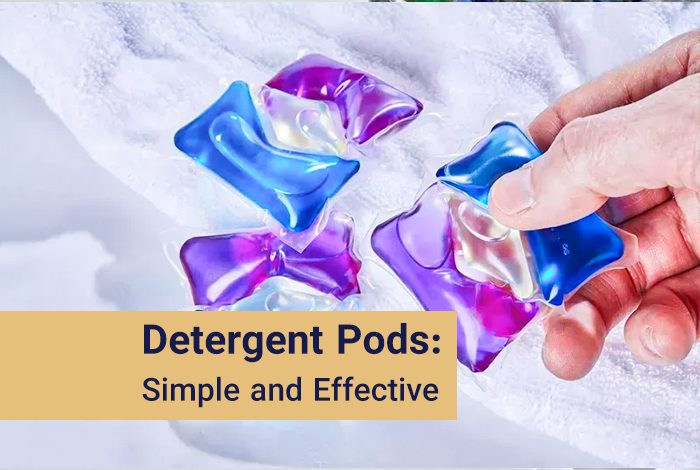
pH plays a vital role in determining the performance and characteristics of laundry detergents. Formulators carefully evaluate the pH of each detergent ingredient and adjust it to achieve the desired final pH, ensuring optimal washing results without damaging fabrics. The pH of laundry detergents directly influences product efficacy, ingredient stability, and fiber compatibility. Accurate pH adjustment not only enhances the detergent’s cleaning performance but also helps maintain the quality, durability, and integrity of fabrics.

نقش pH در شوینده های لباس

pH is a measure that indicates how acidic or basic (alkaline) a substance is. The scale ranges from 0 to 14, where a value of 7 represents neutrality, values below 7 indicate acidity, and values above 7 indicate alkalinity.

In laundry detergents, pH plays a crucial role in determining the product’s effectiveness in removing stains and its interaction with fabric fibers. Below are some key reasons why pH is important in the formulation of laundry detergents.

Read more: The Role of Polymers in Laundry Detergents.

The Role of pH in Surfactant Performance:

Surfactants are the primary components of cleaning and detergent products. Many anionic surfactants perform optimally in alkaline environments. Modern formulations typically use a combination of anionic, nonionic, and amphoteric surfactants to balance cleaning efficacy and prevent damage to fabric fibers. Each surfactant type has a specific pH range in which it remains stable and performs effectively.

pH in Laundry Detergents and Its Effect on Enzyme Stability:

Enzymes are key ingredients in many detergent formulations, used to remove protein-based, fatty, and starchy stains. Because enzymes have delicate structures, they function effectively only within a specific pH range. Therefore, formulators must carefully adjust the detergent’s final pH to maintain enzyme activity while ensuring that fabric fibers are not damaged.

The Effect of pH on the Durability and Quality of Textiles:

Using a detergent with an inappropriate pH can damage fabric fibers, alter colors, and shorten the lifespan of garments. Textile fibers are sensitive to pH changes. Detergents that are too alkaline can weaken fibers and increase the likelihood of wear or damage over time. For example, natural fabrics such as cotton and wool are particularly vulnerable to damage caused by high pH levels. In contrast, detergents with a neutral pH help maintain the integrity of these fibers and protect them from degradation.

On the other hand, an excessively acidic pH can be harmful, as it may cause the breakdown of certain synthetic fibers or reduce the colorfastness of textiles. Therefore, achieving the correct pH balance, one that ensures effective cleaning while preserving the durability of fabrics is essential.

تأثیر pH بر دوام و کیفیت منسوجات

pH in Laundry Detergents and Its Effects on Stains:

 The pH level of a detergent significantly influences its effectiveness in removing various types of stains. Grease and oil stains dissolve more readily in alkaline environments; therefore, detergents with higher pH levels are generally more efficient at removing these stains. Conversely, stains caused by mineral deposits or residues from hard water often require detergents with a lower pH for effective removal.

The Effect of pH on Skin Compatibility and the Environment:

 In industrial settings where operators come into direct contact with detergents, highly alkaline formulations can irritate the skin and pose health risks. Therefore, modern detergent formulations are designed not only for fabric care but also for skin compatibility, with pH levels typically adjusted to a mild range of 7 to 9. From an environmental perspective, detergents with high pH values can disrupt the balance of aquatic ecosystems if released into wastewater.

Conclusion:

From a formulation standpoint, pH is a critical factor influencing the performance, stability, and safety of laundry detergents. Proper pH adjustment not only enhances cleaning efficiency but also helps prevent fabric damage, protects human health, and reduces environmental impact. The careful selection of surfactants, enzymes, additives, and pH regulators is essential for creating a professional and effective detergent formulation.

Padideh Shimi Jam is a manufacturer of chemical raw materials. As a knowledge-based company, it produces all its products using the latest global technologies. For consultation and to purchase chemical raw materials, you can contact the company’s experts at +98 21 88580000.

References:

https://oxabiotech.com/

https://pmc.ncbi.nlm.nih.gov/

The Impact of Artificial Intelligence in the Cosmetics and Personal Care Industry

Artificial Intelligence (AI) is rapidly transforming the cosmetics and personal care industry. From product formulation and skin condition analysis to virtual product testing experiences and supply chain optimization, AI enables brands to act more swiftly, deliver highly personalized solutions, and drive innovation sustainably. This article explores the key applications, business benefits, real-world case studies, and emerging challenges in this field.

 هوش مصنوعی در صنعت آرایشی

Artificial Intelligence in Skincare and Personalized Beauty Routines

Perhaps the most tangible impact of artificial intelligence in the cosmetics industry is its ability to deliver fully personalized product recommendations. By using a selfie or a brief questionnaire, AI-powered tools can analyze skin conditions such as dryness, wrinkles, spots, or dullness and suggest routines tailored to each individual’s needs. These solutions simplify product selection for consumers and boost confidence in product effectiveness.

Leading companies such as L’Oréal, Estée Lauder, and Shiseido have made significant investments in digital skin diagnostics and virtual advisors. Platforms like ModiFace and Revieve leverage AI to offer skin analysis services and assist users in selecting products that uniquely meet their needs.

In the beauty industry, especially following the COVID-19 pandemic, virtual testing technologies have rapidly gained popularity. AI-powered augmented reality (AR) tools have become a standard component of the digital shopping experience. Consumers can now try makeup, hair color, or even nail polish in real time using their smartphones or tablets—a task that previously required an in-store visit but can now be done from the comfort of home.

These tools do more than just provide convenience; they also help reduce product returns, increase customer satisfaction, and make beauty more accessible. Consumers can experiment with a wider range of products and shades. Brands such as MAC Cosmetics, Maybelline, and Lancôme now offer immersive and engaging digital experiences, where AI assists consumers in making more confident and informed purchasing decisions

Read More: Reducing Production Costs through Smart Selection of Chemical Raw Materials

Artificial Intelligence in the Cosmetics Industry: Creating Smarter, Faster, and Cleaner Products

The traditional process of developing cosmetic products is time-consuming and often depends on trial and error. However, by leveraging artificial intelligence in the cosmetics industry, brands can accelerate product formulation through the simulation and interaction of various ingredients—eliminating the need to physically mix raw materials. This approach not only reduces development time but also minimizes laboratory waste and unnecessary testing.

AI is especially valuable for identifying clean and sustainable alternatives to traditional ingredients. For example, formulators can leverage machine learning to discover natural substitutes for synthetic chemicals, facilitating the production of safer products for both the skin and the environment.

Companies such as Proven Skincare utilize AI to analyze millions of data points—including scientific articles, ingredient safety records, and customer feedback—to design fully personalized skincare formulations for each individual.

تاثیر هوش مصنوعی در حوزه زیبایی

Trend Forecasting and Consumer Insights

In the past, beauty trends were primarily influenced by fashion shows, celebrity culture, and magazines. However, today, artificial intelligence has revolutionized trend forecasting in the cosmetics industry. By analyzing social media platforms, beauty forums, user reviews, and influencer content, AI can identify emerging trends in real time. This capability enables brands to respond more agilely and launch products that accurately reflect the authentic desires of their target audience.

These insights are also highly valuable for marketing and creative teams, enabling them to design campaigns that resonate with their audiences. Additionally, AI allows brands to gain a deeper understanding of consumer feedback. Rather than relying solely on surveys, companies can use Natural Language Processing (NLP) to analyze authentic customer sentiments, revealing both strengths and areas for improvement.

Artificial Intelligence and Its Impact on Marketing Power in the Cosmetics Industry

The role of AI in the cosmetics industry extends beyond product development. By analyzing social media conversations, purchasing behaviors, and online feedback, AI offers marketers profound insights into consumer preferences. This information enables brands to create targeted marketing campaigns and build stronger connections with their audiences.

Leveraging AI in the cosmetics sector allows brands to utilize consumer behavior insights to craft personalized and meaningful messages that genuinely engage their audience. This approach enhances brand loyalty and drives increased sales.

Sustainability is no longer optional; it has become an expectation. The integration of artificial intelligence in the cosmetics industry supports this shift by helping brands reduce the use of chemical raw materials, minimize water consumption, and adopt more sustainable packaging solutions. By using fewer raw materials, AI not only lowers production costs in a competitive market but also enhances profitability.

Predictive tools help prevent overproduction by ensuring that only the necessary quantities are manufactured, thereby reducing waste throughout the entire supply chain. By enhancing transparency and efficiency, AI enables brands to operate more responsibly and accountably. For consumers, this results in more ethical choices without compromising product performance or the sense of luxury.

Challenges and Considerations

Despite the extensive capabilities AI offers in the cosmetics and beauty industry, this path is not without challenges. Effective AI performance requires high-quality data; however, some brands still lack the necessary infrastructure to collect and analyze this data accurately. Additionally, maintaining a balance between personalized services and user privacy is critical, ensuring that consumers understand how their information is collected, used, and stored.

About Padideh Shimi Jam: Padideh Shimi Jam is a knowledge-based company and manufacturer of chemical raw materials in Iran. The company is committed to supplying the highest-quality raw materials to producers of chemical products, particularly in the cosmetics and detergent industries. For purchases or consultations, please contact: +98 21 88580000.

References:

https://profiletree.com//

https://www.novusinsights.com/

How to Reduce Chemical Production Costs by Choosing Raw Materials Wisely: 6 Fundamental Strategies

Reducing the production costs of chemical products can be achieved through the careful selection of chemical raw materials. In competitive manufacturing environments, the cost of these raw materials significantly impacts the final production cost. By making informed and strategic decisions—such as material substitution, smart purchasing strategies, and waste reduction techniques—companies can substantially increase profitability and ultimately lower overall production costs.

In this article, we will explore six key strategies for reducing production costs by intelligently selecting raw materials.

Why Does the Selection of Raw Materials Affect Production Costs?

The selection of chemical raw materials is one of the most critical and influential factors affecting the total cost of a product. Improper use or the use of low-quality raw materials can lead to reduced efficiency, increased waste, and the need for product reprocessing, all of which indirectly increase production costs.

On the other hand, the precise selection of materials that are tailored to the specific requirements of the production process can optimize material consumption, minimize waste, and improve the quality of the finish product. As a result, it significantly contributes to reducing overall production costs.

For example, the intelligent and cost-effective selection and procurement of raw materials used in detergent manufacturing can reduce the final product price and, in competitive markets, increase profitability for producers.

A statement from NTT DATA Solutions, a company specializing in cost management solutions, clearly emphasizes the core idea of this discussion: raw materials constitute a significant portion of production costs, making their strategic management essential for cost reduction and profit maximization.

materials often account for 60 to 70 percent of total production costs in the chemical industry; therefore, focusing on cost efficiency in this area is crucial.

Principles for Optimizing the Selection of Chemical Raw Materials

The first step in optimizing raw material selection is to thoroughly examine the technical specifications and functional properties of each material. Manufacturers must strike a reasonable balance between quality and cost—not simply choosing the cheapest option, but selecting a material that offers the best combination of quality, compatibility with the production process, and overall cost efficiency. This balanced approach helps reduce production expenses effectively. Conducting detailed material analyses, consulting with technical experts, and comparing different brands are among the most effective strategies in this process.

Cost-Reduction Strategies for Raw Material Procurement

Implementing intelligent strategies in the procurement of chemical raw materials can significantly decrease production costs. One crucial strategy is to carefully analyze production requirements and match them with the appropriate material quality, thereby avoiding the purchase of materials with a higher grade or purity than necessary.

Additionally, comparing prices and sales conditions among various suppliers, using long-term contracts to stabilize prices, and purchasing quantities that align with storage capacity are all effective methods for reducing costs.

Leveraging reliable information sources to identify lower-cost substitute compounds with comparable performance can also result in substantial savings. In the following section, we will discuss the key strategies for reducing the cost of purchasing raw materials.

  1. Understanding Requirements and Utilizing Multi-Functional Chemical Raw Materials

Begin your process by gaining a clear understanding of the role each material plays. For instance, if your product requires moisturizing and viscosity-enhancing properties—while ensuring that the ingredients do not affect the final color or fragrance—cosmetic-grade glycerin is a smart and suitable choice.

Selecting multi-functional chemical raw materials simplifies formulation design, reduces the number of ingredients required, and minimizes complexities related to purchasing and inventory management. Collectively, these factors significantly contribute to lowering production costs.

  1. Reducing Production Costs through Raw Material Substitution and Formula Optimization

Using alternative chemical raw materials that deliver comparable performance at a lower cost is a proven and effective strategy for reducing production expenses in the personal care and cosmetics industry. For example, synthetic emulsifiers and preservatives can be replaced with natural oils, provided that product stability and performance are maintained.

In times of raw material shortages or price fluctuations, brands are increasingly adopting formula optimization and alternative sourcing strategies.

Additionally, incorporating recycled materials or biotechnological derivatives—such as coffee grounds or apple peel extracts—represents a sustainable and cost-effective approach. These innovations not only help reduce raw material expenses but also satisfy consumer demand for eco-friendly and clean products, ultimately contributing to lower overall production costs.

  1. Strategic Sourcing and Long-Term Contract Negotiations

Purchasing raw materials in bulk—such as oils, active plant compounds, and surfactants—while leveraging volume discounts can significantly reduce the per-unit cost. Beyond one-time transactions, establishing and nurturing long-term strategic relationships with chemical raw material manufacturers, such as Padideh Shimi Jam and other suppliers, enables chemical product manufacturers to stabilize prices and avoid supply shortages during periods of scarcity.

Such collaborations can also be highly effective in quality improvement and sustainability projects, providing mutual benefits for both parties and ultimately contributing to lower production costs.

Moreover, to maintain cost stability, companies should manage their supply chains effectively by implementing accurate demand forecasting and maintaining transparent, ongoing communication with suppliers. This proactive approach helps anticipate market fluctuations and enables precise planning in price-sensitive sectors such as cosmetics and detergents.

  1. Formulation and Concentration Optimization to Reduce Costs

To reduce production costs without compromising product quality or performance, manufacturers should analyze active or high-cost ingredients and assess the potential for concentration optimization. Through targeted research and development, many brands have successfully eliminated excess usage and identified the minimum effective concentration necessary for product efficacy, directly contributing to cost reduction.

  1. Cost Reduction through Sustainable and Local Sourcing

Sourcing raw materials locally can significantly reduce transportation costs, tariffs, and import taxes. It also supports local suppliers and decreases the carbon footprint associated with logistics. This strategy directly contributes to lowering production costs.

Additionally, utilizing sustainable or recycled resources—such as coffee grounds, apple peels, or lab-grown plants—not only reduces raw material costs but also meets the growing consumer demand for eco-friendly and clean products. This approach further decreases dependency on volatile natural material markets and enhances the resilience and sustainability of the supply chain.

  1. Continuous Review and Investment in Research and Development

To maintain efficiency, enhance economic performance, and reduce production costs, it is essential to regularly review supply contracts, raw material performance, and cost indicators. Strengthening collaboration among various teams—including procurement, research and development, and quality control—ensures that formulations and raw materials are continuously examined, evaluated, and optimized.

Targeted investment in research and development enables companies to discover formulations that are both more cost-effective and higher-performing, identify sustainable and natural alternatives for raw materials, and introduce innovations in product functionality. Although initial R&D costs may be high, these investments generate significant long-term savings and enhance the company’s competitive position within the industry.

The Role of Technology in Optimizing Raw Material Selection to Reduce Production Costs

The advancement of modern technologies in supply chain management has enabled more precise and faster evaluation of raw materials. Advanced inventory management software, supplier quality assessment tools, and price fluctuation forecasting systems assist manufacturing units in making more informed and accurate decisions regarding the procurement and utilization of raw materials, thereby supporting cost reduction efforts. Additionally, the use of online databases and industrial comparison tools has simplified and streamlined the process of evaluating various brands and grades of materials.

Tips for Manufacturers: How to Reduce Production Costs Without Compromising Quality

One of the primary challenges in cost optimization is maintaining the quality of the final product. To address this, manufacturers should develop a checklist for raw material quality control and test each material on a small scale before proceeding to full-scale production. Careful evaluation of factors such as purity levels, reactivity, and compatibility with production equipment is essential. These measures help prevent production issues and quality degradation, ultimately resulting in significant financial savings and reduced production costs.

Conclusion

Strategic and intelligent selection of chemical raw materials plays a crucial role in reducing production costs and increasing profitability in the cosmetics, personal care, and detergent industries. By thoroughly understanding the product’s functional requirements, utilizing multifunctional materials, smartly substituting high-cost ingredients with more economical alternatives, and optimizing formulations, manufacturers can significantly reduce raw material expenses and contribute to overall cost savings.

Moreover, strategic sourcing—through bulk purchasing, establishing long-term supplier relationships, and prioritizing sustainable and local resources—ensures price stability and enhances supply chain resilience.

Additionally, continuous contract review and targeted investment in research and development foster innovation and ongoing improvements in product quality and performance, ultimately strengthening a company’s competitive position in the market.

Frequently Asked Questions (FAQs)

  1. How can we reduce production costs through raw material selection? By intelligently substituting high-cost materials with more affordable alternatives, utilizing multi-functional materials, and purchasing in bulk through long-term contracts.
  2. Does reducing raw material costs mean compromising the final product quality? No. The goal of optimization is to balance quality and cost. By carefully reviewing specifications and testing materials, it is possible to reduce costs without sacrificing product quality.
  3. What is the role of technology and research & development in optimizing raw material selection? Technology, through software and databases, facilitates more accurate purchasing decisions. Research and development contributes by discovering new formulations that are more cost-effective while maintaining performance.

Recent Posts

Get in Touch