Blue barrels in the warehouse, Storage stock, Chemical warehouse. 3D illustration

Glycerin Standards: A Review of Three Important Standards BP, FCC, and USP

Table Content

فهرست مطالب

The Secret to Long-Lasting Moisture in Cosmetic Products: Don’t Underestimate the Power of Glycerin! The use of glycerin in moisturizers has proven to be highly effective, making it a widely used ingredient in various creams and lotions. This colorless, odorless, and non-toxic substance plays a crucial role in skincare due to its exceptional ability to attract and retain moisture. Glycerin is recognized as a powerful humectant that draws water from the surrounding environment and deeper layers of the skin, resulting in hydrated, soft, and supple skin. Its outstanding performance makes it the top choice for caring for dry, sensitive, and damaged skin. In this article, we will delve into the role of glycerin in moisturizers, including its cellular-level function, benefits, methods of combining it with other active ingredients, and key considerations when choosing products containing glycerin. First, it is essential to define moisturizing products and examine their core components.

Glycerin Standard BP (British Pharmacopoeia)

The BP grade (British Pharmacopoeia) refers to substances that meet the quality standards established by the British Pharmacopoeia, the official reference in the UK that defines quality criteria for medicines and pharmaceutical products. These standards ensure that chemicals used in pharmaceuticals are controlled for purity and are free from contamination.

The British Pharmacopoeia has established standards for glycerin as a pharmaceutical substance (pharmaceutical-grade glycerin). The BP glycerin standard provides precise criteria to assess the quality of this medicinal material.

BP glycerin is a colorless, viscous liquid that is generally odorless and has a mildly sweet taste. Below is a detailed description of the key characteristics of BP glycerin:

  • Appearance: Should be a colorless, clear, and viscous liquid.
  • Odor: BP-grade glycerin must be odorless.
  • Water Content: The water content should not exceed the specified limit, typically a maximum of 2.0%.
  • Stability: It remains stable under normal conditions.
  • Impurities: The presence of impurities such as aldehydes, reducing substances, halogenated compounds, sugars, chlorides, and heavy metals is assessed, with specific permissible limits established for each.
  • Refractive Index: At 20°C, the refractive index should fall within a specified range, typically between 1.4730 and 1.4750.
 

استاندارد گلیسیرین BP

Glycerin Standard FCC (Food Chemicals Codex)

The FCC food grade refers to a standard that specifies the quality and purity of chemical substances used in the food and pharmaceutical industries. This standard is developed by a specialized committee and provides precise criteria for safety, purity, testing methods, and physical characteristics of these substances.

One of the most important substances covered by this codex is glycerin, for which the FCC-grade glycerin standard defines very detailed specifications. Since one of glycerin’s applications is in the food industry—commonly referred to as food-grade glycerin—adherence to these standards is especially important.

According to the Food Chemicals Codex (FCC) standard for glycerin:

According to the 11th edition of the FCC, food-grade glycerin must contain at least 99.5% pure glycerol. This standard imposes strict limits on impurities, including:

  • Arsenic: maximum concentration of 1 ppm
  • Lead: maximum 2 ppm.
  • Residual solvents: maximum 50 ppm.

What is the purpose of the FCC?

The primary goal of this standard is to ensure the safety, quality, and suitability of chemical substances for human consumption. In other words, substances that conform to the FCC must:

  • Be free of harmful impurities.
  • Have standardized physical and chemical properties.
  • Produced and tested under reliable conditions.

FCC Standard Specifications:

  • High Purity: For example, FCC-grade glycerin must possess high purity and comply with the glycerin standards established by this international reference.
  • Impurity Limits: The levels of water content, heavy metals, halogenated compounds, chlorides, sulfates, and other impurities are maintained at very low concentrations.
  • Defined Testing Methods: FCC standards specify precise and standardized testing methods to assess purity, pH, refractive index, water content, and other characteristics.
  • Consumer Safety: All standards are designed to ensure human safety, allowing the use of these substances in food, pharmaceutical, and cosmetic products.

Importance of FCC Grade

  • Quality Assurance for Consumers: Using substances such as glycerin that meet FCC glycerin standards enhances consumer trust and ensures the safety of the final products.
  • International Acceptance: These standards are recognized and accepted by numerous countries and regulatory organizations worldwide.

اهمیت استاندارد گلیسیرین FCC

Glycerin USP Standard

USP-grade glycerin refers to glycerin produced and tested according to the standards established by the United States Pharmacopeia (USP). These standards specify criteria, testing methods, and permissible impurity limits to ensure that the glycerin is safe and of high quality for pharmaceutical and medical applications.

Key Specifications of USP Glycerin:

  • High Purity: Typically contains a minimum of 99.5% pure glycerin.
  • Water Content Limit: The water content must be less than 5%.
  • pH Level: Neutral to slightly acidic (approximately 5 to 7)
  • Permissible Impurities: Strict limits on heavy metals, chlorides, sulfates, and other impurities are enforced in accordance with USP standards.
  • Special tests include assessments for reducing substances, aldehydes, and volatile compounds.
  • Appearance: Clear, colorless liquid with no unpleasant odor or taste.
استاندارد گلیسیرین USP و مشخصات آن

Difference Between USP Glycerin and Other Grades

  • Compared to industrial or technical grades, USP-grade glycerin is subject to stricter quality control, offering significantly higher purity and consistency. It undergoes more rigorous testing and is supported by reliable documentation—essential for pharmaceutical and medical applications.
  • BP (British Pharmacopoeia) standards are mandatory for pharmaceutical and cosmetic products in premium markets such as the UK, where high quality and contamination control are critical.
  • USP is the most stringent standard for pharmaceutical use (medical-grade production) and is also recognized as a reliable grade in many countries, including Iran.

 To purchase refined glycerin with a minimum purity of 99.5%, you can contact the sales specialists at Padideh Shimi Jam Company, a leading manufacturer of chemical raw materials.
Post Categories

Table Content
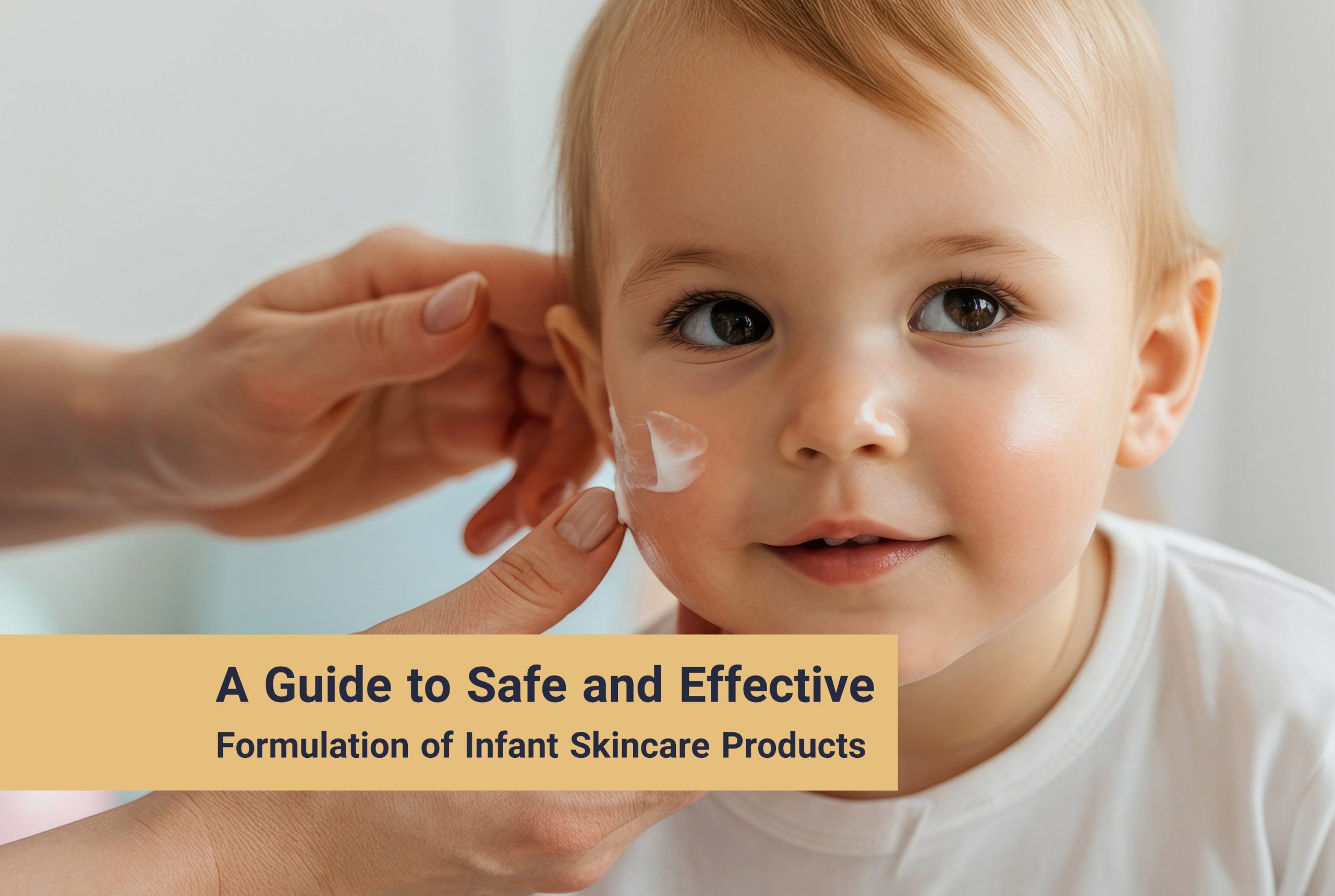
Baby Skin Care Product Formulation

Formulation of Baby Skin Care Products; Dos and Don’ts

The phrase “baby skin” immediately evokes exceptional softness and smoothness; however, for specialists and formulators, behind this delicate appearance lies a complex and sensitive reality. Baby skin has an immature protective barrier (Skin Barrier) that does not yet have sufficient capacity to cope with environmental factors, and its permeability is very high. This is precisely why the standards and criteria for selecting cosmetic and personal care raw materials for baby products have fundamental differences from adult products. A small mistake in selecting these compounds can lead to severe skin irritation. Therefore, safe formulation requires a deep understanding of skin physiology. In this article, we examine the characteristics of baby skin, formulation challenges, and the list of compounds approved by the FDA.

Understanding the Characteristics and Sensitivities of a Baby’s Developing Skin

Baby skin is not merely a smaller version of adult skin; rather, it has specific structural and functional differences that require special care. Below, three main characteristics and the physiological challenges associated with them are examined:

  • Thinner Stratum Corneum

    Compared with adults, babies have a Stratum Corneum that is approximately 30 percent thinner, and the distance between the cells of this layer is also greater.

Physiological Challenges of Baby Skin:

  • Lower ability to retain moisture
  • Increased rate of water absorption and loss (which can cause dry skin)
  • Greater vulnerability to chemicals and high permeability to topical substances, which in some cases increases the likelihood of sensitivity or even toxic effects.

Suitable Ingredients for Baby Skin Care Products

  • Formation of the Protective Acid Mantle (Acid Mantle)

Sebaceous glands and sweat glands in babies are less active; therefore, the protective acid mantle of the skin has not yet fully formed. This is why baby skin has a neutral pH during the first few days, while adult skin is naturally acidic.

Physiological Challenges of Baby Skin:

  • Greater possibility of contact with and growth of microorganisms on the skin
  • Greater vulnerability to infections and skin irritations such as diaper rash
  • High tendency toward dry skin

Read More: Sulfate-Free Shampoo Formulation

  • Less Melanin

Baby skin contains a very small amount of coloring substances; therefore, it produces much less melanin compared with adults.

Physiological Challenge of Baby Skin:

  • Lack of natural protection against sunlight

Table Examining the Structural Characteristics of Baby Skin

Structural Characteristic of Baby Skin

Detailed Description

Physiological Challenge and Risks

Formulation Approach

Thin Stratum Corneum

30% thinner than adults with greater distance between cells High permeability to chemicals and rapid water loss (dryness) Use of strong emollients and removal of toxic/sensitizing substances

Immature Acid Mantle

Low activity of sebaceous and sweat glands (neutral pH at birth) Susceptibility to microbial growth, fungal infection, and diaper rash Precise adjustment of product pH and use of mild antibacterial compounds

Melanin Deficiency

Minimal pigment production by melanocytes Lack of natural protection against solar UV radiation Need for physical protection (no use of chemical filters in babies)

How to Select Suitable Chemical Raw Materials for Baby Products?

Avoiding Materials with Potential Risks for Babies:

Naturally, any material that has not been tested on baby skin in terms of its potential to cause sensitivity, allergy, or its level of absorption through the skin should not be used in the formulation of baby products. For example, very strong detergents such as sodium lauryl sulfate, excessive or very strong preservatives, degreasing agents, PEG-containing additives, and fragrances are better avoided in baby products. However, these substances are not inherently dangerous and do not necessarily need to be removed from adult products; rather, it is recommended that these substances themselves and formulations containing them be evaluated and tested before use on baby skin. It should also be noted that although natural preservatives can be beneficial in some baby products, their safety on baby skin has not always been fully evaluated; therefore, caution should also be exercised when using them.

Formulation of Baby Skin Care Products

Use of Suitable Emollients and Moisture-Retaining Agents for Babies:

Baby skin requires special care to restore lipids and protect its natural barrier; therefore, moisturizers, moisture-retaining agents, and emollients are ideal options for baby skin care formulations. Dimethicone is particularly considered a safe and highly effective ingredient in this regard. In fact, the U.S. Food and Drug Administration (FDA) has published a monograph that lists substances permitted for drug claims related to skin protection, including:

  • Dimethicone 1–30%
  • Glycerin 20–45%
  • Allantoin 0.5–2%
  • Petrolatum 30–100%

In general, any emollient that can prevent excessive water evaporation from the skin (TEWL) and maintain skin moisture is suitable, provided that it is not known to be a comedogenic agent (pore-clogging) or a sensitizer.

Important and Noteworthy Points in the Formulation of Baby Care Products

The production of baby care products requires a precise understanding of raw materials and their potential effects on baby skin. The market is highly receptive to products produced based on renewable, natural, or nature-inspired resources. In addition, the product pH should be close to the natural pH of baby skin, and the concentration of active ingredients and preservatives should be adjusted according to safety standards. Conducting specific skin tests for babies before launching the product will ensure the safety and effectiveness of the product.

Safety Tests and Standards

Baby products should be manufactured and tested according to international standards. Conducting clinical and laboratory tests before launch, in addition to ensuring safety, also helps build parents’ trust.

Marketing Trends and Parental Attention

Today, parents are paying more attention than ever to natural resources and safety. Products manufactured with safe and natural ingredients gain greater trust and perform better in the market. This trend has led manufacturers to use vernix-inspired compounds and skin barrier-repairing materials in their formulations.

Conclusion:

Baby skin is not merely a smaller version of adult skin, but rather has a physiological structure with unique characteristics. The 30% thinner Stratum Corneum, immature acid mantle, and low activity of sebaceous glands make this skin highly vulnerable to the penetration of chemicals and moisture loss. Therefore, the art of baby product formulation lies in the intelligent selection of raw materials; removing high-risk compounds such as SLS and strong parabens and replacing them with safe and FDA-approved materials such as Dimethicone, Glycerin, and Petrolatum. Ultimately, success in this market depends on producing products that, in addition to restoring the skin’s protective barrier, are inspired by natural resources and have successfully passed all safety and clinical tests before launch.

Frequently Asked Questions:

1. Why does baby skin dry out faster than adult skin?

Because the Stratum Corneum in babies is 30% thinner and the distance between its cells is greater. This structure causes the rate of water evaporation from the skin surface (TEWL) to increase, resulting in faster moisture loss.

2. Which substances does the FDA consider safe for protecting baby skin?

According to the FDA monograph, substances such as Dimethicone (1 to 30%), Glycerin (20 to 45%), Allantoin (0.5 to 2%), and Petrolatum (30 to 100%) are safe and effective for use in baby skin protection products.

3. Which compounds should not be used in baby product formulations?

The use of strong detergents such as sodium lauryl sulfate (SLS), strong preservatives, harsh degreasing agents, PEG-containing compounds, and allergenic fragrances is not recommended due to the high permeability of baby skin.

Padideh Shimi Jam is a manufacturer of chemical raw materials for industries in Iran. To purchase and place an order for chemical raw materials, contact the sales experts at this center at 02188580000.

Source:

https://www.cosmeticsandtoiletries.com/formulas-products/skin-care/blog/21837701/deciphering-baby-care-formulations

Influential Trends in Cosmetic and Personal Care Raw Materials

Trends Influencing Cosmetic and Personal Care Raw Materials Over the Next 25 Years

Chemical raw materials play a key role in various industries, including the beauty and personal care industry. In the coming years, the chemical raw materials industry will undergo profound transformation. Growing demand for sustainability, the rapid growth of biotechnology, and the development of biopharmaceuticals will fundamentally change the direction of this industry. Today, specialized raw materials are no longer just a part of formulations; they have become tools for creating innovation and competitive advantage.

Sustainability: From Corporate Goals to Product Sustainability:

The World Economic Forum’s “Global Risks 2024” report shows why environmental sustainability has become one of the most important priorities for the chemical raw materials industry. The major risks over the next decade include natural resource shortages, biodiversity loss, and extreme weather events caused by climate change, all of which are related to the environment.

Today, the impact of these challenges can be seen in consumer purchasing decisions. For example, a significant proportion of consumers prefer to purchase more sustainable products from companies that behave responsibly and provide solutions to address climate change. This trend will continue to grow, and therefore the influence of sustainability on business decision-making will increase, playing a much deeper role in shaping the specialized raw materials sector over the coming decades.

Sustainability claims are no longer limited to reducing greenhouse gas emissions, and greater attention will be given to carbon sources, biodegradability, and the end-of-life of products. In addition, the transition from petrochemical raw materials toward bio-based, recycled, and waste-derived materials will continue at a faster pace, and the share of petrochemical raw materials in the raw materials industry is expected to decline significantly over the next 25 years.

The implications of these trends are clear: sustainability is redefining the industry. Companies must review their methods and products throughout the entire supply chain to reduce environmental impacts while meeting the diverse needs of customers and the future market.

Trends in cosmetic raw materials

Read more: Factors Affecting the Global Dishwashing Liquid Market

Biotechnology:

Biotechnology is already transforming traditional raw material production processes, and this trend is expected to continue over the next 25 years as attention to biotechnological solutions, particularly in pharmaceuticals and personal care products, continues to increase.

Personalization (Personalization):

Personalization will be one of the emerging developments in pharmaceuticals and personal care over the next 25 years. Imagine entering a store and receiving a product specifically tailored to your unique skin needs. This concept, which is still limited and specialized today, could become widely common in developed markets over the coming decades.

Artificial Intelligence (AI):

Artificial intelligence has become an effective tool in the raw materials industry; it accelerates the discovery of new materials, increases production efficiency, and improves demand forecasting. However, data quality remains a determining factor in the effectiveness of this technology.

Sustainable Solutions for Protecting Resources and the Environment:

Improper extraction of raw materials leads to resource shortages, habitat destruction, and biodiversity loss. The transition toward bio-based, recycled, and waste-derived resources is accelerating, and the share of petrochemical raw materials in the cosmetics industry is expected to decline significantly over the next 25 years. Sustainable carbon sources, including plant-based lignin and waste gas capture technologies, are becoming a major focus of the industry.

Challenges and Opportunities for the Raw Materials Industry in the Face of Demographic and Cultural Changes:

Economic growth in developing countries is outpacing that of developed markets, with Asia, the Middle East, and Africa emerging as important sources of future growth for this industry. This growth is largely driven by the expansion of the middle class and urbanization, resulting in greater penetration of personal care products across different cultures and markets around the world. As a result, raw material suppliers are required to consider cultural and ethnic differences in their product portfolios.

The aging population is also an important driver of consumption. According to World Health Organization statistics, by 2050, the proportion of people aged over 60 will reach 22%, compared with only 12% in 2015. Older people in developed markets generally have greater disposable income and fewer responsibilities, and therefore show a greater tendency toward luxury and impulse purchases. In addition, with increasing life expectancy, these consumers are looking for products that provide a greater sense of well-being and a more youthful appearance.

Today, beauty at every stage of life has become synonymous with well-being, self-confidence, and self-esteem. This trend creates an opportunity to provide better products and experiences for the aging population, which represents a growing share of the global population. All of these factors will have a significant impact on the raw materials industry.

Read more: Formulation Strategies for Producing Popular Detergents

Conclusion: The Future Depends on Responsibility

The chemical raw materials industry is on the threshold of a new era in which sustainability, biotechnological innovations, and attention to consumers’ personalized needs will dictate the path of growth. Success in this decade will require significant investment in research and development to discover sustainable carbon sources, such as plant-based lignin and waste gas capture technologies, and full alignment with the new values and demands of the market. Companies that can establish this balance between technology and social responsibility will become transformative leaders in the industry.