
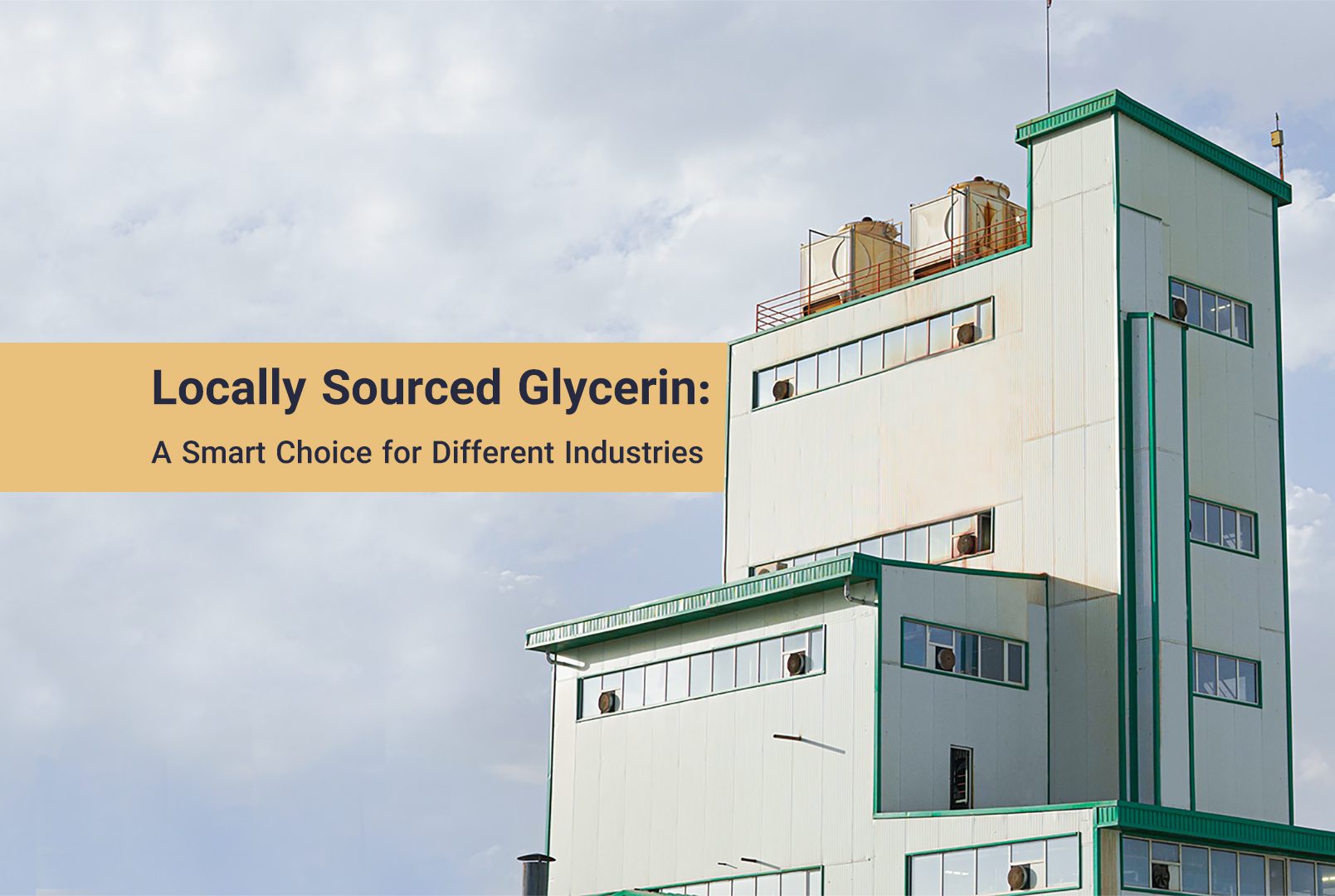
The benefits of domestically produced Glycerin have created a valuable opportunity for chemical raw material manufacturers to produce high-quality products while remaining protected from global market fluctuations. Glycerin, as one of the most important cosmetic chemical raw materials and a strategic material in the pharmaceutical, food, and chemical industries, plays a vital role in the supply chain of many everyday and industrial products. Given its importance in the production of sensitive and essential products, relying on domestic sources of Glycerin not only reduces dependence on imports and exchange rate fluctuations, but also ensures supply security, quality control, and production stability.
Supporting domestic Glycerin manufacturers means strengthening the country’s industrial infrastructure and promoting sustainable economic development. Therefore, choosing to purchase Glycerin produced domestically and using it is not only an economic choice, but also a strategic decision to support national production and industrial development. In this article, we examine the reasons why purchasing this valuable and strategic product from domestic sources is important and discuss its benefits for various industries and the national economy.
1 – Economic Savings and Market Stability:
One of the most important benefits of Glycerin produced domestically is greater stability in the price and supply of this material compared with international markets. The domestic supply chain is usually shorter and more predictable and has less dependence on global developments.
Sourcing Glycerin from domestic sources helps minimize transportation costs and reduces the impact of external fluctuations on the final cost. As a result, consuming industries, including manufacturers of cosmetic, pharmaceutical, and food products, can rely on domestic sources to have more stable and predictable production planning and remain less vulnerable to global market shocks.
Studies show that developing domestic production capacity for critical raw materials, including Glycerin, plays an important role in increasing the economic resilience of countries against external fluctuations.

2– Benefits of Domestically Produced Glycerin and Environmental Impact and Sustainability:
Domestic Glycerin production is accompanied by quality assurance and full compliance with national regulations. This is particularly important in the food, pharmaceutical, and cosmetic-grade Glycerin sectors. This compliance provides transparency throughout the supply chain, precise quality control, and product traceability, making it one of the benefits of domestically produced Glycerin that may not be available in imported products. On the other hand, crude Glycerin usually contains impurities such as methanol, salts, and … and requires precise purification for sensitive applications.
Domestic manufacturers, by utilizing modern technologies and holding valid certifications, are able to provide safe, pure, and reliable products. In addition, the presence of an active local market encourages the improvement of standards, the development of purification technologies, and the reduction of environmental impacts, ultimately leading to improved quality and sustainability in the industry.
One of the most important issues concerning environmental sustainability is reducing the carbon footprint. Glycerin imports are usually accompanied by long-distance international transportation, which results in the emission of significant amounts of greenhouse gases. In contrast, sourcing Glycerin from domestic sources significantly reduces carbon emissions by shortening transportation routes.
Reducing carbon emissions is one of the benefits of domestically produced Glycerin and represents an effective step toward achieving environmental objectives and sustainable development. Proper waste management in domestic production ensures that waste and by-products resulting from the Glycerin purification process are responsibly treated and managed. In contrast, in some countries where adequate supervision is lacking, there is a risk of environmental pollution due to the uncontrolled release of such waste.

3- Economic Benefits and Job Creation
The domestic production of Glycerin and other oleochemical raw materials plays an important role in creating and maintaining employment, particularly across an extensive supply chain that begins with the initial stages of agriculture, such as soybean or oil palm cultivation, and continues through final processing and purification. Increased domestic supply enables rural and industrial communities to directly benefit from this value chain, ultimately strengthening household livelihoods and increasing economic stability. In addition, the use of domestic resources keeps capital circulating within the national economy.
4- Meeting Consumer Preferences and Social Responsibility
Today’s consumers pay more attention than ever to labeling transparency and product origin and prefer to purchase goods that are produced or supplied domestically; because these products are often aligned with their trust, quality assurance, and personal values. This factor is one of the benefits of domestically produced Glycerin and is consistent with consumer preferences.
In addition, domestic production is generally carried out under stricter regulations concerning labor rights and production standards, ensuring that the supply process, from farm to factory, follows ethical principles and social responsibility. Furthermore, purchasing domestic Glycerin reminds consumers that every purchase supports local industries and contributes to strengthening national identity, economic self-sufficiency, and the country’s resilience.
Conclusion:
In summary, the benefits of domestically produced Glycerin can be outlined as follows:
- Economic Growth: Creating employment opportunities, increasing income, and strengthening tax revenues
- Environmental Responsibility: Reducing the carbon footprint and promoting sustainable production practices
- Quality and Safety: Compliance with national standards and strict regulatory oversight
- Market Resilience: Protection against global disruptions and price fluctuations
- Innovation: Supporting research and development and circular economy models
- Ethical Conduct: Alignment with consumer values and social responsibility principles
Consumers (manufacturers of cosmetic, food, pharmaceutical, or industrial products) play a key role in realizing these benefits. By choosing domestically produced Glycerin, they not only invest in product quality and supply security, but also contribute to the shared prosperity and sustainable development of their country.
To purchase purified Glycerin with a minimum purity of 99.5%, you can contact the sales experts at Padideh Shimi Jam, a chemical raw material manufacturer.