
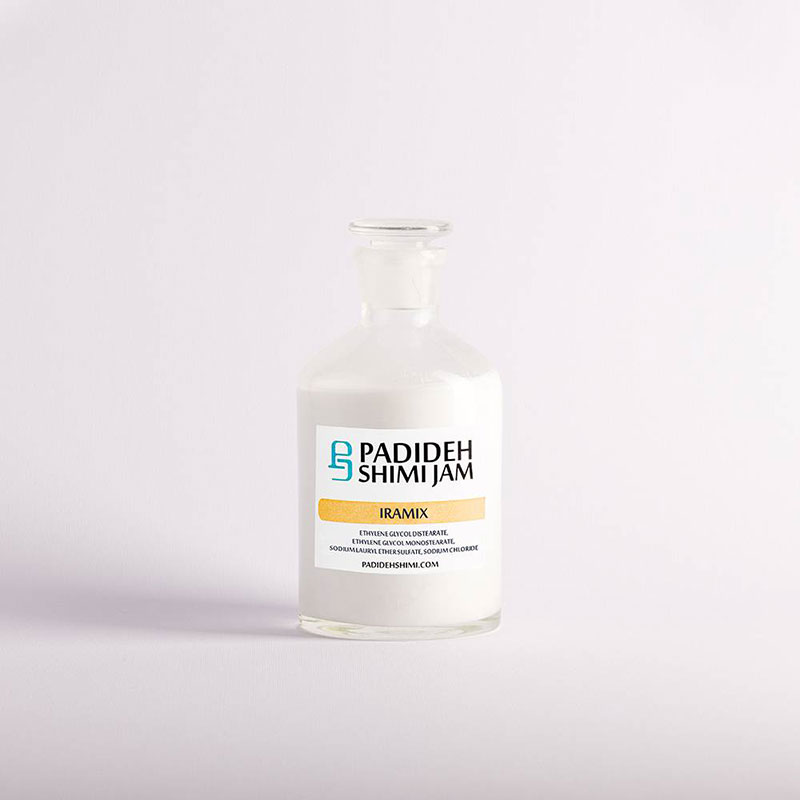
Ethylene Glycol Distearate (EGDS), Ethylene Glycol Monostearate (EGMS), and Sodium Lauryl Ether Sulfate (SLES) make up Pearlized Texapon. Its features include providing viscosity, creating a pearlescent sheen in products, acting as a dispersing and moisturizing agent, compatibility with other non-ionic, anionic, and amphoteric surfactants, having no negative effect on the foaming behavior of surfactants, and suitability for cold process manufacturing.
Minimum Order Quantity: 100 kg open-top plastic drum
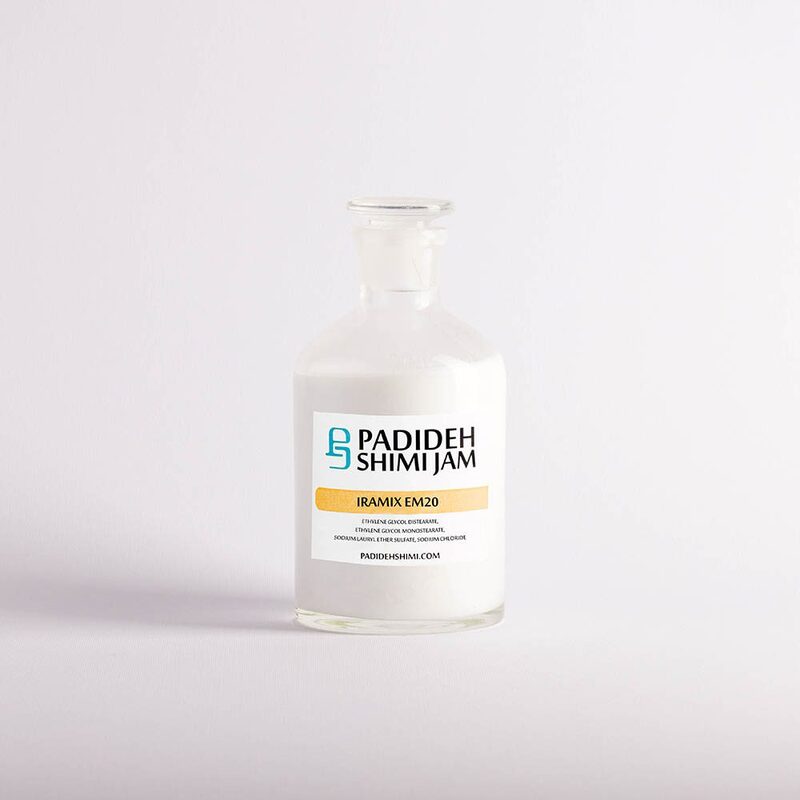
Ethylene Glycol Distearate (EGDS), Ethylene Glycol Monostearate (EGMS), Cocamide MEA (CFAMEA), and Sodium Lauryl Ether Sulfate (SLES) form IRAMIX EM20, which is known as a high-percentage pearlizing agent (20%), cleansing agent, dispersing agent, viscosity enhancer, and wetting agent. It is compatible with other nonionic, anionic, and amphoteric surfactants. This ingredient does not have a negative effect on the foaming behavior of surfactants and, due to its liquid and pumpable form, can be used in cold processing methods.
Minimum Order Quantity: One-Ton Tank
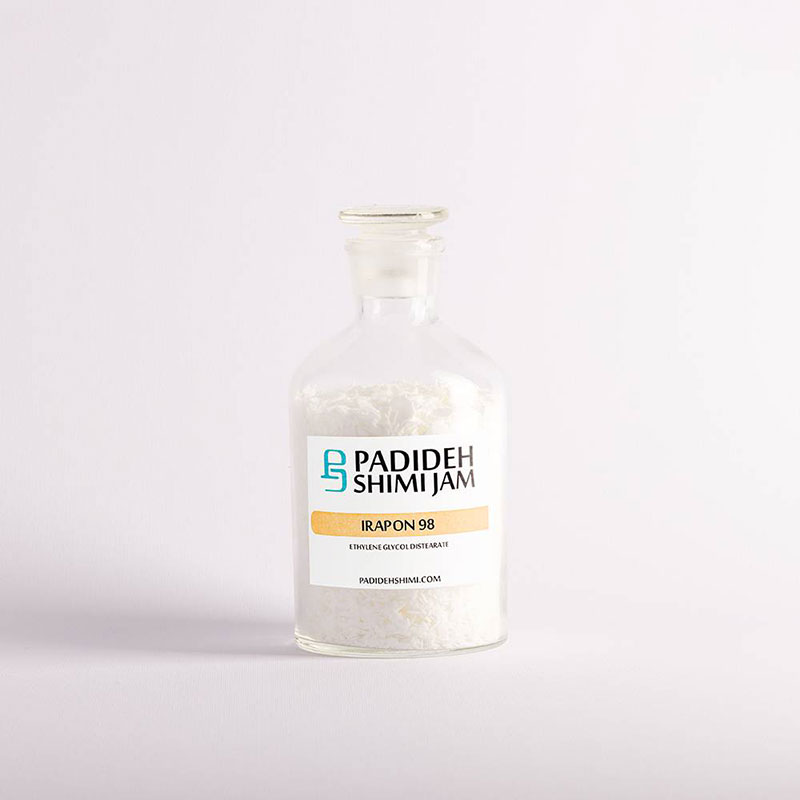
Ethylene glycol distearate 98% and ethylene glycol monostearate 2% is a solid white to yellowish compound produced from ethylene glycol and stearic acid. It is used as a pearlescent agent, emollient, thickening agent, and opacifier in cosmetic and personal care products such as cleansers, shampoos, liquid hand soaps, creams, and other cosmetics.
Minimum Order Quantity: 20 kg Bag
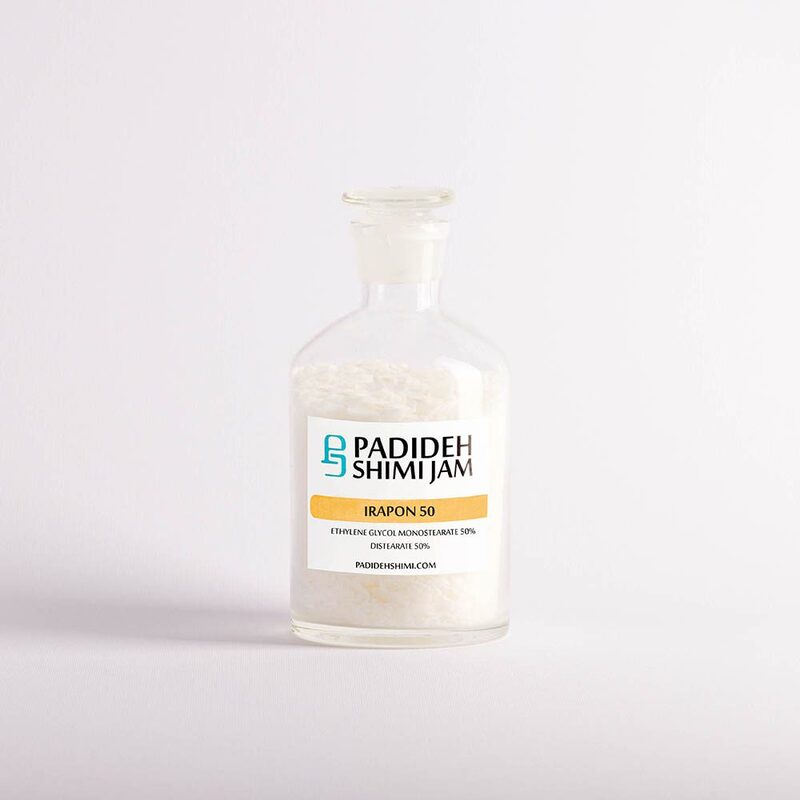
Ethylene Glycol Distearate 50% and Ethylene Glycol Monostearate 50% or IRAPON 50, synthesized from ethylene glycol and stearic acid, is a white to yellowish solid compound. It is used as an emollient, viscosity modifier, pearlizing agent, and opacifier in cosmetic and personal care products such as cleansers, shampoos, liquid hand soaps, creams, and other makeup products.
Minimum Order Quantity: 20 kg Bag
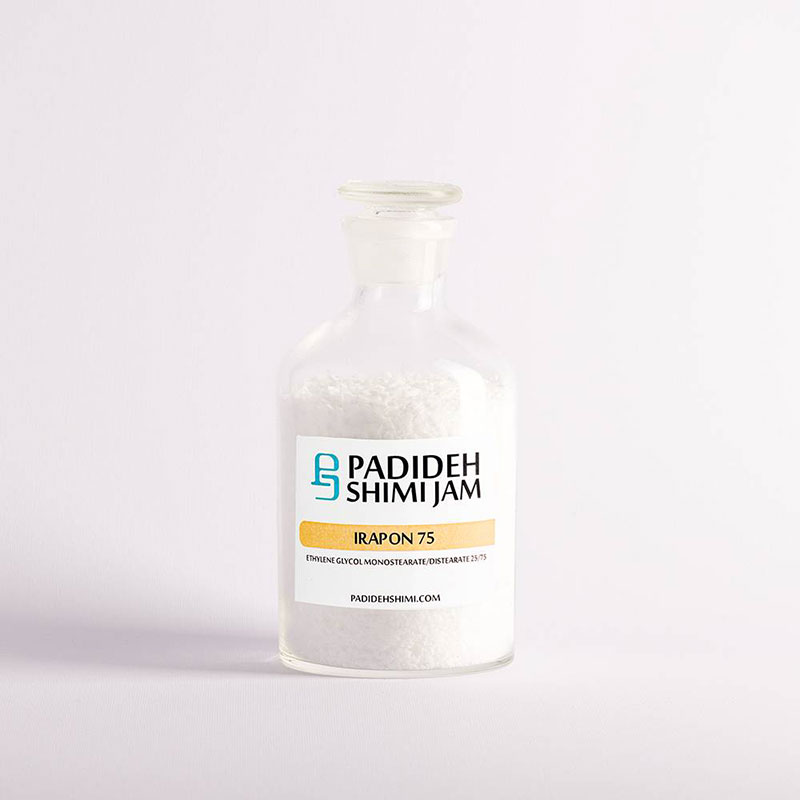
Ethylene Glycol Distearate 75% is a solid, flake-like compound used as a pearlizing agent, softening agent, and viscosity-enhancing agent in the cosmetics industry, skin care products, and hygiene industries. This compound improves the texture of creams and lotions and gives formulations such as shampoos and wash gels a pearlescent appearance.
Minimum Order Quantity: 20 kg bag
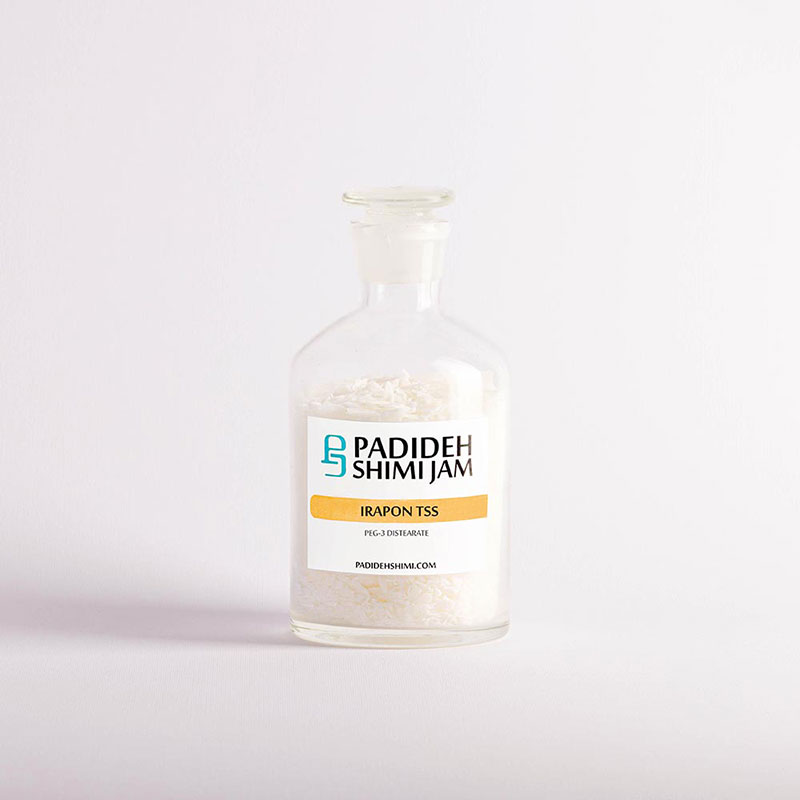
PEG-3 Distearate, or Irapon TSS, is a compound belonging to the polyethylene glycol (PEG) ester family, derived from stearic acid and supplied as white flakes. It is primarily used in the cosmetic, personal care, and detergent industries as an opacifying, emulsifying, and thickening agent, as well as a mild skin cleanser that enhances product texture and performance.
Minimum Order Quantity: 20 kg Bag
Pearlizing Agents are compounds that impart a glossy, silky, and pearlescent appearance to detergent, cosmetic, and personal care products, giving them a distinct and eye-catching appeal. These materials are specifically used in the formulation of shampoos, liquid soaps, facial washes, and body washes to make the final appearance of the product look more attractive and premium. Pearlizing agents not only affect the visual aesthetics of the product but also create a sense of enhanced softness and smoothness during use.
Pearlizing agents are typically composed of derivatives of ethylene glycol and long-chain fatty acids, such as stearic acid. The structure of these compounds allows them to partially crystallize in an aqueous medium, and the reflection of light off these crystals creates the signature pearlescent brilliance.
In the world of cosmetic and personal care formulations, ethylene glycol distearate (EGDS) and ethylene glycol monostearate (EGMS)—particularly EGDS—are considered the most common and effective surfactant-based pearlizing agents. These compounds are obtained from the esterification of stearic acid (a fatty acid) with ethylene glycol, possessing a unique ability to form microscopic, plate-like (lamellar) crystals within base surfactant solutions. When the product is shaken or flows during use, these tiny crystals align, reflecting and interfering with light, which results in a pearl-like luster and a stunning pearlized effect. The use of these materials not only adds to the visual appeal of the product but can also give consumers the impression of higher thickness and quality. Consequently, they are widely utilized in a broad range of shampoos, liquid hand soaps, shower gels, and other washing products.
Padideh Shimi Jam Company, as one of the top manufacturers of chemical raw materials, offers a wide range of pearlizing agents tailored to the needs of cosmetic and detergent manufacturers:
1- 50/50 Formulation of EGDS and EGMS (Erapon 50)
2- Formulation of 10% EGDS + EGMS + SLES (Pearlized Texapon under the trade name Iramix)
3- Formulation of 20% EGDS + EGMS + CFAMEA + SLES (or Iramix EM)
4- Formula of 25% EGDS + 75% EGMS (or Erapon 75)
5- Formula of 2% EGDS + 98% EGMS (or Erapon 98)
Pearlizing agents play a crucial role in the manufacturing of detergent, cosmetic, and personal care products. These compounds not only enhance the visual appeal of the product but can also improve its physical and sensory characteristics. Below are the main industrial applications of pearlizing agents:
The most extensive use of pearlizing agents is in the formulation of various personal care detergents. The pearlescent effect, sense of luxury, and pearlized shimmer are among their most important benefits in this industry. Pearlizing agents are considered a key type of chemical raw material for detergents.
Brands operating in the luxury and professional product sectors use high-purity pearlizing agents to increase the perceived value of their products. For instance, the combination of 98% EGDS and 2% EGMS is utilized in premium-packaged products.
4. Ready-to-Use Formulations for Factories
Companies involved in the mass production of personal care products often use blended pearlizing agents with ready-to-use formulas. These compounds include pre-formulated mixtures of EGDS, EGMS, SLES, and CFAMEA, which are suitable for rapid deployment in industrial production lines.
In addition to their aesthetic role, pearlizing agents perform crucial technical and marketing functions in the detergent and cosmetic industries. Incorporating these additives can enhance final quality, increase product appeal, and even boost sales. The most important benefits of pearlizing agents include:
The most prominent and obvious benefit of pearlizing agents is creating a glossy, pearlescent effect in the final product. This pearlized appearance serves as a symbol of high quality, exclusivity, and luxury for the consumer. Market research has shown that a glossy, silky appearance can directly influence consumers’ purchasing decisions, especially in clear packaging like shampoos and shower gels.
Products that appear pearlized and glossy are often perceived by consumers as higher grade, gentler, and more effective. This is highly influential in branding, as a pearlized appearance conveys a sense of softness and mildness.
Pearlizing agents such as ethylene glycol mono- and distearates (EGDS) and EGMS possess good chemical stability and high solubility in formulas based on surfactants like SLES. This allows them to be easily incorporated into the formulation during the manufacturing process without forming a separate phase or reducing product stability.
By creating a more uniform texture, pearlizing agents impart a silkier and smoother feel to the product. This is very important when selecting raw materials for personal care products like face washes, shampoos, or cleansing creams.
Using pearlizing agents is an economical way to upgrade the visual presentation of a product without requiring complex changes to the core ingredients or packaging. This is particularly important for export products or premium brands.
Padideh Shimi Jam Company provides various pearlizing agent blends in different percentages, such as 10%, 50%, 75%, and even 98%. This option helps manufacturers adjust the level of pearlescence depending on the product type and target market.
Certain pearlizing agents, like blended EGDS/EGMS, can be easily added to the cold phase at specific temperatures, generating a pearlized appearance without requiring complex cooling processes. This increases production line efficiency and simplifies large-scale industrial use.
While the use of surfactant-based pearlizing agents adds remarkable visual appeal to cosmetic and personal care products, it presents formulators with significant stability challenges.
Temperature Sensitivity:
Pearlizing crystals are stable within a specific temperature range. Temperature fluctuations (excessive heat or extreme cold) can lead to the re-solubilization of crystals (loss of the pearlized effect) or their overgrowth (creating grainy precipitates).
pH Sensitivity:
Changes in the solution’s pH affect the surface charge of the crystals and their interaction with other surfactants. This can disrupt the stability of the lamellar structure and the alignment of the crystals, leading to a reduction or loss of the pearlized effect.
Need for Precise Process Control:
To achieve the best pearlized effect, the crystallization process must be carefully controlled. This includes exact cooling rates, agitation intensity and duration, and other parameters that affect the size, shape, and uniform distribution of the lamellar crystals.
Risk of Sedimentation or Phase Separation:
Deviations from optimal process parameters can lead to the production of incorrectly sized particles, their agglomeration, and ultimately, the sedimentation of pearlizing agents at the bottom of the bottle. Long-term incompatibility between components or changes in viscosity can also cause phase separation.
Pearlizing agents are among the key ingredients in manufacturing luxury detergent and personal care products. Selecting the appropriate type of pearlizing agent and its optimal percentage directly impacts the appeal and commercial success of the product. Utilizing specialized knowledge and advanced equipment, Padideh Shimi Jam Company is ready to provide the best pearlizing agents to manufacturers nationwide.
The download link will be sent to you via SMS.