Personal Care Products (2)

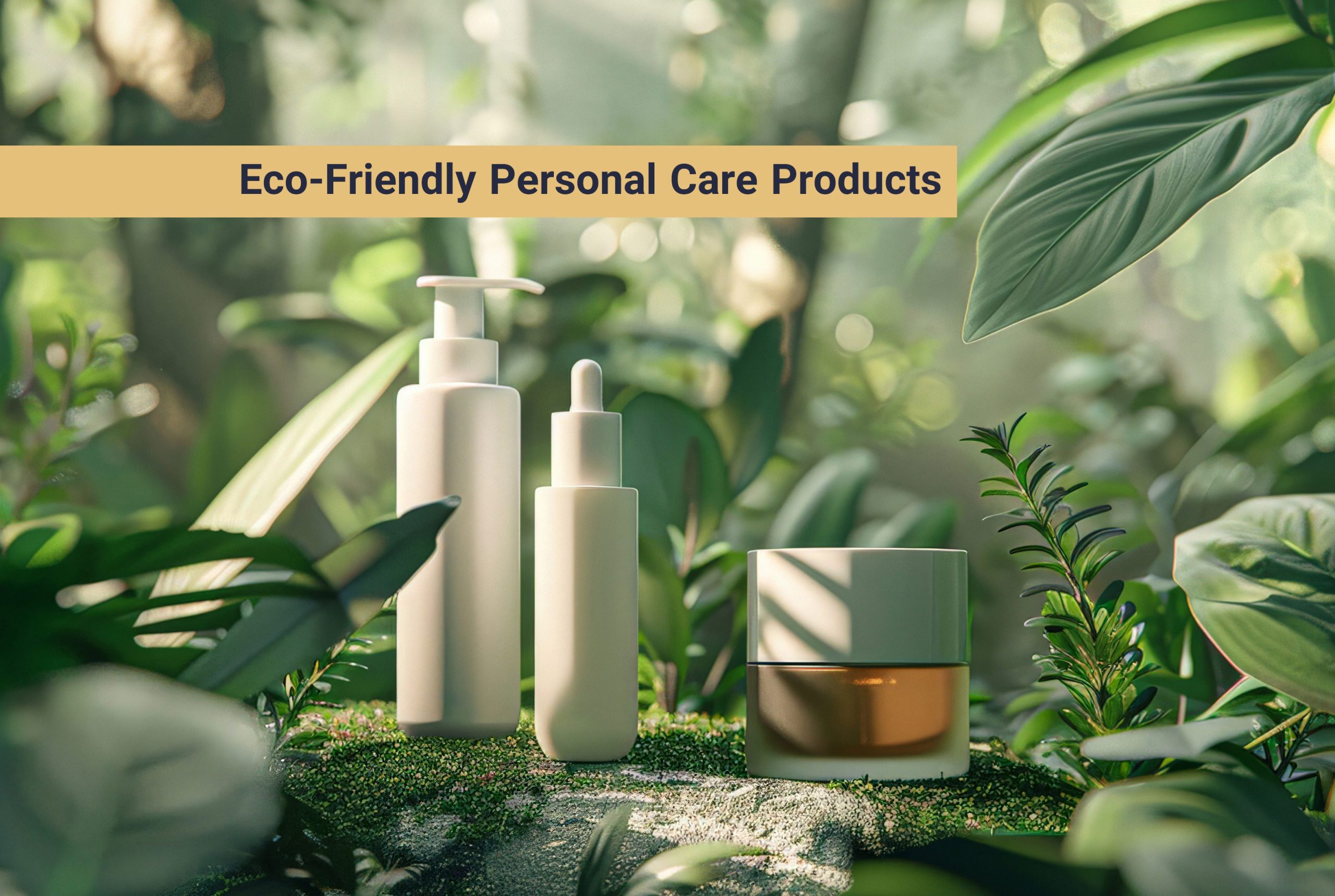
Eco-Friendly Personal Care Products

Table Content

فهرست مطالب

Eco-friendly beauty products are revolutionizing the cosmetics industry by promoting sustainability and minimizing environmental impact. These products often use natural and sustainable ingredients sourced responsibly to avoid harming ecosystems.

Sustainability has become an increasingly important topic in the beauty industry. Consumers have grown more conscious about their environmental impact, driving an urgent need to curb plastic pollution and subsequent demand for zero-waste packaging. Per Future Market Insights, the global zero-waste packaging market is expected to reach approximately US $2.5 billion by 2033 and expand at a CAGR of 8.8% from 2022 to 2032.

Zero Waste Efforts

While the industry has made strides, conventionally, many cosmetics come with excessive packaging, leading to unnecessary waste that ends up in landfills or pollutes the oceans. By shifting toward zero waste products, companies and consumers can reduce their environmental footprint and promote a more sustainable future, which in turn leads to a circular business model where there is huge opportunity to reinvent our industry.

Zero waste generally refers to the goal of eliminating waste entirely, for example Beauty Kitchen Company established a “return, refill and repeat” system, partnering with different collaborators to set up 100 refill stations in the UK to dispense shampoo, body wash, conditioner, hand wash and facial cleanser products. Beauty Kitchen collects empty packaging from customers to clean and reuse it for some products, and 32 of its products are Cradle to Cradle certified for their re-usable material content and circular design.

Solid Format Benefits

Solid format formulations offer an approach to beauty and personal care products that virtually eliminates the need for water in product formulations, in addition to offering savings in plastic packaging and logistics. A significant portion of most liquid shampoos (approx. 80%) and conditioners (up to 95%) is water, which requires larger-volume packaging and more fuel to deliver the products. Solid products are akin to concentrated versions of their liquid counterparts, boasting high amounts of active ingredients with little to no water – which also alleviates the pressure on our increasingly scarce water sources.

The environmental benefits of solid format formulations are manifold. Since they do not require packaging, they significantly reduce waste. Considering their concentrated nature, they also can last longer than liquid products and thereby reduce the frequency of purchase and associated carbon footprint; one survey conducted by Ethique found this extended longevity to be the case.

The benefits of bars answer the growing consumer demand for sustainable, eco-friendly products. One research firm reported the global market for shampoo bars was valued at US $10.8 million in 2022, which is projected to surge to $19.7 million by the end of 2031, at a 7% CAGR.

With the market for bars and solid products trending upward, it will be important for formulators to understand how to approach this solid product format, in addition to distinctions between and among types. These formulating considerations are outlined in the next section.

Types of Solid Formulations

Solid cosmetics can be categorized by their base (lipophilic or hydrophilic) and their level of aggregation, i.e., loose powder, bath bomb, bar, stick, cake, tablet, etc. Lipid-based formats, such as skin care sticks and balms, use combinations of waxes, oils and butters to create a solid texture that melts at body temperature, forming a soft film on the skin.

On the other hand, solid formats with a polar base can be formulated using polar, wax like ingredients that provide a solid structure while retaining their hydrophilic nature. Soap bars and syndet bars (synthetic detergent bars) fall into this category and are ideal for products that require lathering or emulsifying; e.g., shampoo and conditioner bars. Loose and pressed powders offer another solid product form.

Distinctive Composition of Solid Formulas

Contrary to common belief, solid format formulas are not merely solidified versions of liquid products. Their smaller, more concentrated form requires a different formulating strategy. For example, preservative systems or active ingredients must be adapted to the product’s low water content and highly concentrated form, respectively. Solid products also must give the consumer a perceived high value, since they are smaller and compared by the consumer with larger volumes of liquid products (thanks to their higher water content).

Solid shampoos and conditioners are also not the same as traditional soap bars. They are formulated with surfactants that work well in a solid format and are gentler on the hair and skin. There are two distinct categories of bars: soap-based and surfactant- (or detergent) based. Despite their resemblances in appearance and shared ingredients, the two function quite differently.

To know which type is appropriate for a given application, it is important to consider pH levels. As a quick review, it is well-known that the pH scale determines the acidity or alkalinity of a product and ranges from 0 to 14. Acids such as citric are lower than 7 (∼pH 2) and bases such as drain cleaner are higher (∼pH 14). Skin naturally maintains an acidic state, or “acid mantle,” typically between 4 and 5.5.

Soap-based bars: Soap-based shampoo bars are created using oils mixed with sodium hydroxide, an alkaline ingredient with a high pH value of 14. After the oils are saponified, this alkaline nature decreases but still retains a level within the range of 8-10. Such bars are not advisable for hair, although they can be used on the body. This is because skin can naturally restore its innate acidic levels.

To use a soap-based shampoo bar on hair, one should follow with an acidic rinse. This helps to restore hair’s natural acidity levels. Failing to incorporate this step may result in coarse-feeling hair that lacks the desired softness and smoothness since using an alkaline product on hair causes the cuticles to lift and become swollen. This makes hair more vulnerable to breakage and damage.

One possible solution would be to add citric acid to the bar, as it acts as a pH regulator to bring down the formula’s acidity level. However, if one is making soap via a cold process with raw sodium hydroxide, adding citric acid will diminish the saponification power, which is based on sodium hydroxide’s alkalinity. Therefore, reducing the pH to create bars intended for both the hair and body may compromise their cleansing efficacy.

Surfactant-based bars: A shampoo bar made with surfactants/detergents typically has pH level between 4.5 and 6.5, depending on the ingredients used. A well-crafted shampoo bar will have an ideally balanced pH because all the ingredients already possess low pH levels. However, if some ingredients in the formulation are more alkaline, acidic regulators like citric acid may be included to lower the pH level.

It is important to note that there isn’t much disparity in terms of ingredients between soap-based and surfactant-based shampoo bars. Both may employ the four common types of surfactants:

  • Anionics, to aid in cleansing; such as Disodium Lauryl Ether Sulfosuccinate (SULFONIL DS)
  • Amphoterics, to thicken and reduce the irritation potential of other surfactants; such as different types of betaines (Amphonil CF+ and Amphonil C45) and Amphonil CAS.
  • Nonionics, to boost foam – and used in small amounts since they typically have a high pH and can create a drying sensation, for example: Iramid CD, Iramid CM, Iramid VD, and Iramid PKD 
  • Cationics, mostly used in conditioners or 2-in-1 shampoo-conditioners. Due to the negative charge of hair, their positive charge can effectively seal hair cuticles and reduce hair’s vulnerability to damage.

Additional ingredients: Both types of bars will also likely contain emollients such as cocoa butter and fatty alcohols that lend solidity to the product. Essential oils may also be added for aromatic properties, enhancing the sensory experience of the products.

It can be further enriched with vitamins, botanical extracts and active ingredients, easily incorporated into Phase B or C, to add value to the product. Panthenol (pro-vitamin B5) also could be incorporated for its moisturizing and strengthening properties, or phytokeratin to fortify hair and lend shine and bounce.

Formulating  And Production Tips

Various additional considerations can support zero-waste product development efforts. Following are some tips.

  1. Ingredient sourcing: Choose natural and organic ingredients that are sustainably harvested and have minimal impact on the environment. Look for suppliers the prioritize eco-friendly practices, such as using renewable energy or recycling water. Example: Instead of using synthetic fragrance oils, opt for essential oils derived from sustainably grown plants. This not only reduces waste but also offers the added benefit of natural aromatherapy. You can use Oleochemical ingredients such as Glycerin and Betaine in your formulations, this ingredients are mild with hair and skin.
  2. Minimalist formulations: Keep the number of ingredients in formulations to a minimum. Simplifying the formula can reduce waste during production and decrease the chances of allergenic reactions in consumers. Focus on multi-functional ingredients that can serve multiple purposes, reducing the need for additional additives.
  3. Packaging considerations: If packaging is necessary, choose that which is recyclable, reusable or biodegradable. Look for materials made from post-consumer recycled content or explore innovative packaging solutions that minimize waste.
  4. Waste management: Implement proper waste management strategies during the manufacturing process. Incorporate recycling and waste reduction programs within your facility. Look for ways to repurpose or upcycle waste materials generated during production to minimize overall waste.
  5. Education and communication: Inform and educate consumers about the importance of zero-waste cosmetics and how they can contribute to a more sustainable beauty routine. Also provide guidance on proper product use and storage to maximize their lifespan. Example: Include instructions on product packaging or on your website to guide customers about how to use the product sparingly or store it properly, thereby reducing unnecessary waste.
  6. Cold Process Techniques: Using ingredients like Irasoft O18 supports cold processing, which in turn lowers energy consumption during manufacturing.

Reference:
https://cosmeticsandtoiletries.texterity.com/

Post Categories

Table Content
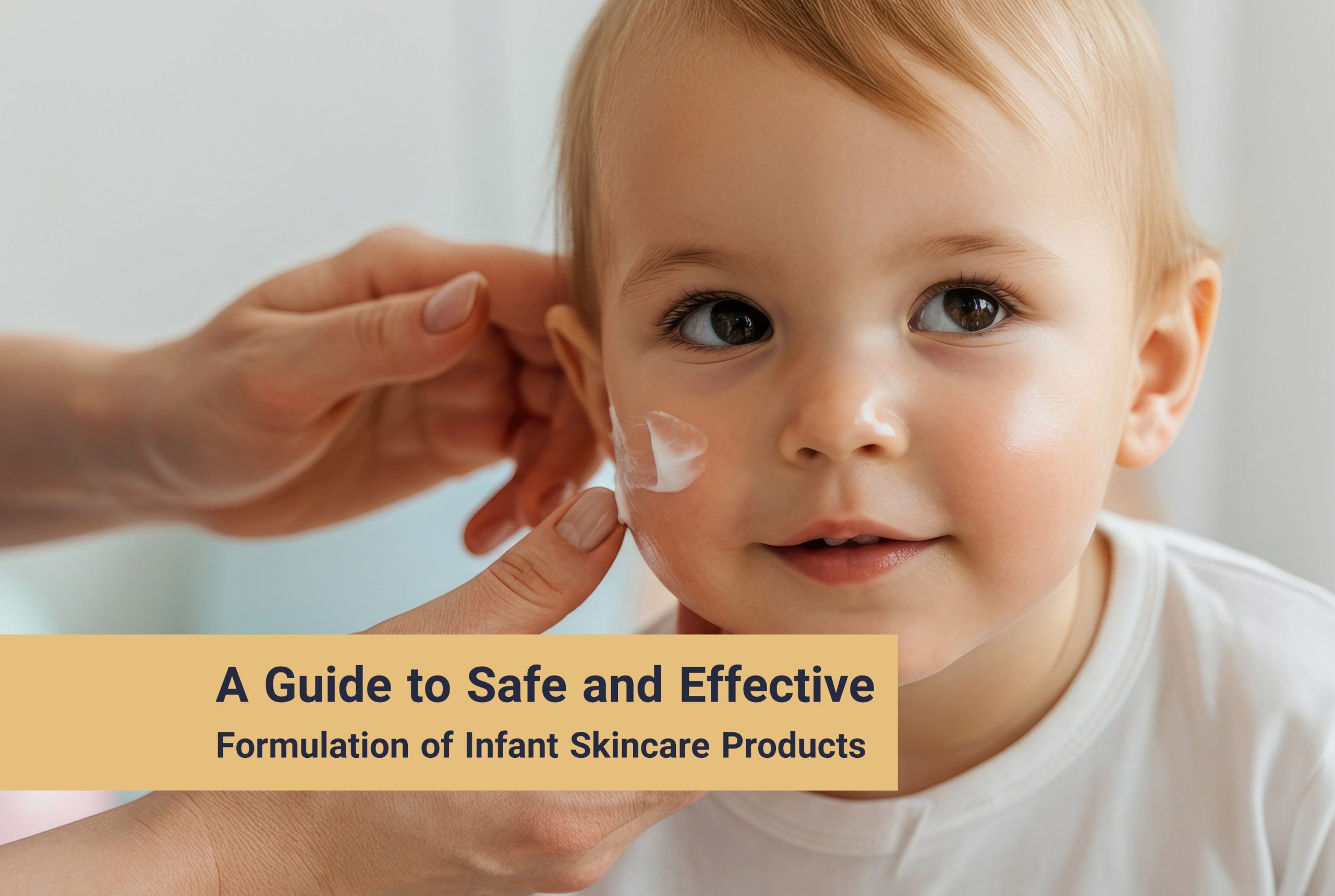
Baby Skin Care Product Formulation

Formulation of Baby Skin Care Products; Dos and Don’ts

The phrase “baby skin” immediately evokes exceptional softness and smoothness; however, for specialists and formulators, behind this delicate appearance lies a complex and sensitive reality. Baby skin has an immature protective barrier (Skin Barrier) that does not yet have sufficient capacity to cope with environmental factors, and its permeability is very high. This is precisely why the standards and criteria for selecting cosmetic and personal care raw materials for baby products have fundamental differences from adult products. A small mistake in selecting these compounds can lead to severe skin irritation. Therefore, safe formulation requires a deep understanding of skin physiology. In this article, we examine the characteristics of baby skin, formulation challenges, and the list of compounds approved by the FDA.

Understanding the Characteristics and Sensitivities of a Baby’s Developing Skin

Baby skin is not merely a smaller version of adult skin; rather, it has specific structural and functional differences that require special care. Below, three main characteristics and the physiological challenges associated with them are examined:

  • Thinner Stratum Corneum

    Compared with adults, babies have a Stratum Corneum that is approximately 30 percent thinner, and the distance between the cells of this layer is also greater.

Physiological Challenges of Baby Skin:

  • Lower ability to retain moisture
  • Increased rate of water absorption and loss (which can cause dry skin)
  • Greater vulnerability to chemicals and high permeability to topical substances, which in some cases increases the likelihood of sensitivity or even toxic effects.

Suitable Ingredients for Baby Skin Care Products

  • Formation of the Protective Acid Mantle (Acid Mantle)

Sebaceous glands and sweat glands in babies are less active; therefore, the protective acid mantle of the skin has not yet fully formed. This is why baby skin has a neutral pH during the first few days, while adult skin is naturally acidic.

Physiological Challenges of Baby Skin:

  • Greater possibility of contact with and growth of microorganisms on the skin
  • Greater vulnerability to infections and skin irritations such as diaper rash
  • High tendency toward dry skin

Read More: Sulfate-Free Shampoo Formulation

  • Less Melanin

Baby skin contains a very small amount of coloring substances; therefore, it produces much less melanin compared with adults.

Physiological Challenge of Baby Skin:

  • Lack of natural protection against sunlight

Table Examining the Structural Characteristics of Baby Skin

Structural Characteristic of Baby Skin

Detailed Description

Physiological Challenge and Risks

Formulation Approach

Thin Stratum Corneum

30% thinner than adults with greater distance between cells High permeability to chemicals and rapid water loss (dryness) Use of strong emollients and removal of toxic/sensitizing substances

Immature Acid Mantle

Low activity of sebaceous and sweat glands (neutral pH at birth) Susceptibility to microbial growth, fungal infection, and diaper rash Precise adjustment of product pH and use of mild antibacterial compounds

Melanin Deficiency

Minimal pigment production by melanocytes Lack of natural protection against solar UV radiation Need for physical protection (no use of chemical filters in babies)

How to Select Suitable Chemical Raw Materials for Baby Products?

Avoiding Materials with Potential Risks for Babies:

Naturally, any material that has not been tested on baby skin in terms of its potential to cause sensitivity, allergy, or its level of absorption through the skin should not be used in the formulation of baby products. For example, very strong detergents such as sodium lauryl sulfate, excessive or very strong preservatives, degreasing agents, PEG-containing additives, and fragrances are better avoided in baby products. However, these substances are not inherently dangerous and do not necessarily need to be removed from adult products; rather, it is recommended that these substances themselves and formulations containing them be evaluated and tested before use on baby skin. It should also be noted that although natural preservatives can be beneficial in some baby products, their safety on baby skin has not always been fully evaluated; therefore, caution should also be exercised when using them.

Formulation of Baby Skin Care Products

Use of Suitable Emollients and Moisture-Retaining Agents for Babies:

Baby skin requires special care to restore lipids and protect its natural barrier; therefore, moisturizers, moisture-retaining agents, and emollients are ideal options for baby skin care formulations. Dimethicone is particularly considered a safe and highly effective ingredient in this regard. In fact, the U.S. Food and Drug Administration (FDA) has published a monograph that lists substances permitted for drug claims related to skin protection, including:

  • Dimethicone 1–30%
  • Glycerin 20–45%
  • Allantoin 0.5–2%
  • Petrolatum 30–100%

In general, any emollient that can prevent excessive water evaporation from the skin (TEWL) and maintain skin moisture is suitable, provided that it is not known to be a comedogenic agent (pore-clogging) or a sensitizer.

Important and Noteworthy Points in the Formulation of Baby Care Products

The production of baby care products requires a precise understanding of raw materials and their potential effects on baby skin. The market is highly receptive to products produced based on renewable, natural, or nature-inspired resources. In addition, the product pH should be close to the natural pH of baby skin, and the concentration of active ingredients and preservatives should be adjusted according to safety standards. Conducting specific skin tests for babies before launching the product will ensure the safety and effectiveness of the product.

Safety Tests and Standards

Baby products should be manufactured and tested according to international standards. Conducting clinical and laboratory tests before launch, in addition to ensuring safety, also helps build parents’ trust.

Marketing Trends and Parental Attention

Today, parents are paying more attention than ever to natural resources and safety. Products manufactured with safe and natural ingredients gain greater trust and perform better in the market. This trend has led manufacturers to use vernix-inspired compounds and skin barrier-repairing materials in their formulations.

Conclusion:

Baby skin is not merely a smaller version of adult skin, but rather has a physiological structure with unique characteristics. The 30% thinner Stratum Corneum, immature acid mantle, and low activity of sebaceous glands make this skin highly vulnerable to the penetration of chemicals and moisture loss. Therefore, the art of baby product formulation lies in the intelligent selection of raw materials; removing high-risk compounds such as SLS and strong parabens and replacing them with safe and FDA-approved materials such as Dimethicone, Glycerin, and Petrolatum. Ultimately, success in this market depends on producing products that, in addition to restoring the skin’s protective barrier, are inspired by natural resources and have successfully passed all safety and clinical tests before launch.

Frequently Asked Questions:

1. Why does baby skin dry out faster than adult skin?

Because the Stratum Corneum in babies is 30% thinner and the distance between its cells is greater. This structure causes the rate of water evaporation from the skin surface (TEWL) to increase, resulting in faster moisture loss.

2. Which substances does the FDA consider safe for protecting baby skin?

According to the FDA monograph, substances such as Dimethicone (1 to 30%), Glycerin (20 to 45%), Allantoin (0.5 to 2%), and Petrolatum (30 to 100%) are safe and effective for use in baby skin protection products.

3. Which compounds should not be used in baby product formulations?

The use of strong detergents such as sodium lauryl sulfate (SLS), strong preservatives, harsh degreasing agents, PEG-containing compounds, and allergenic fragrances is not recommended due to the high permeability of baby skin.

Padideh Shimi Jam is a manufacturer of chemical raw materials for industries in Iran. To purchase and place an order for chemical raw materials, contact the sales experts at this center at 02188580000.

Source:

https://www.cosmeticsandtoiletries.com/formulas-products/skin-care/blog/21837701/deciphering-baby-care-formulations

Influential Trends in Cosmetic and Personal Care Raw Materials

Trends Influencing Cosmetic and Personal Care Raw Materials Over the Next 25 Years

Chemical raw materials play a key role in various industries, including the beauty and personal care industry. In the coming years, the chemical raw materials industry will undergo profound transformation. Growing demand for sustainability, the rapid growth of biotechnology, and the development of biopharmaceuticals will fundamentally change the direction of this industry. Today, specialized raw materials are no longer just a part of formulations; they have become tools for creating innovation and competitive advantage.

Sustainability: From Corporate Goals to Product Sustainability:

The World Economic Forum’s “Global Risks 2024” report shows why environmental sustainability has become one of the most important priorities for the chemical raw materials industry. The major risks over the next decade include natural resource shortages, biodiversity loss, and extreme weather events caused by climate change, all of which are related to the environment.

Today, the impact of these challenges can be seen in consumer purchasing decisions. For example, a significant proportion of consumers prefer to purchase more sustainable products from companies that behave responsibly and provide solutions to address climate change. This trend will continue to grow, and therefore the influence of sustainability on business decision-making will increase, playing a much deeper role in shaping the specialized raw materials sector over the coming decades.

Sustainability claims are no longer limited to reducing greenhouse gas emissions, and greater attention will be given to carbon sources, biodegradability, and the end-of-life of products. In addition, the transition from petrochemical raw materials toward bio-based, recycled, and waste-derived materials will continue at a faster pace, and the share of petrochemical raw materials in the raw materials industry is expected to decline significantly over the next 25 years.

The implications of these trends are clear: sustainability is redefining the industry. Companies must review their methods and products throughout the entire supply chain to reduce environmental impacts while meeting the diverse needs of customers and the future market.

Trends in cosmetic raw materials

Read more: Factors Affecting the Global Dishwashing Liquid Market

Biotechnology:

Biotechnology is already transforming traditional raw material production processes, and this trend is expected to continue over the next 25 years as attention to biotechnological solutions, particularly in pharmaceuticals and personal care products, continues to increase.

Personalization (Personalization):

Personalization will be one of the emerging developments in pharmaceuticals and personal care over the next 25 years. Imagine entering a store and receiving a product specifically tailored to your unique skin needs. This concept, which is still limited and specialized today, could become widely common in developed markets over the coming decades.

Artificial Intelligence (AI):

Artificial intelligence has become an effective tool in the raw materials industry; it accelerates the discovery of new materials, increases production efficiency, and improves demand forecasting. However, data quality remains a determining factor in the effectiveness of this technology.

Sustainable Solutions for Protecting Resources and the Environment:

Improper extraction of raw materials leads to resource shortages, habitat destruction, and biodiversity loss. The transition toward bio-based, recycled, and waste-derived resources is accelerating, and the share of petrochemical raw materials in the cosmetics industry is expected to decline significantly over the next 25 years. Sustainable carbon sources, including plant-based lignin and waste gas capture technologies, are becoming a major focus of the industry.

Challenges and Opportunities for the Raw Materials Industry in the Face of Demographic and Cultural Changes:

Economic growth in developing countries is outpacing that of developed markets, with Asia, the Middle East, and Africa emerging as important sources of future growth for this industry. This growth is largely driven by the expansion of the middle class and urbanization, resulting in greater penetration of personal care products across different cultures and markets around the world. As a result, raw material suppliers are required to consider cultural and ethnic differences in their product portfolios.

The aging population is also an important driver of consumption. According to World Health Organization statistics, by 2050, the proportion of people aged over 60 will reach 22%, compared with only 12% in 2015. Older people in developed markets generally have greater disposable income and fewer responsibilities, and therefore show a greater tendency toward luxury and impulse purchases. In addition, with increasing life expectancy, these consumers are looking for products that provide a greater sense of well-being and a more youthful appearance.

Today, beauty at every stage of life has become synonymous with well-being, self-confidence, and self-esteem. This trend creates an opportunity to provide better products and experiences for the aging population, which represents a growing share of the global population. All of these factors will have a significant impact on the raw materials industry.

Read more: Formulation Strategies for Producing Popular Detergents

Conclusion: The Future Depends on Responsibility

The chemical raw materials industry is on the threshold of a new era in which sustainability, biotechnological innovations, and attention to consumers’ personalized needs will dictate the path of growth. Success in this decade will require significant investment in research and development to discover sustainable carbon sources, such as plant-based lignin and waste gas capture technologies, and full alignment with the new values and demands of the market. Companies that can establish this balance between technology and social responsibility will become transformative leaders in the industry.