
Benzalkonium Chloride (BAC) or RETANIL is a chemical raw material belonging to the quaternary ammonium compounds class available in 20% and 50% concentrations. Possessing a cationic active surface, it is primarily used as a low-foaming surfactant, retarder, leveling agent, and dye evening agent in the dyeing and textile industries, as well as a powerful antimicrobial against a wide spectrum of microorganisms in the livestock industry with low toxicity.
Minimum Order Quantity: 220 kg Tight-Head Plastic Drum
n-Alkyl dimethyl benzyl ammonium chloride 20 or Benzalkonium Chloride 20, is a cationic surfactant and quaternary ammonium compound used in disinfectant and sanitizer products. As a germicide, this substance disrupts the cell membrane of microorganisms, causing the inactivation or destruction of microbes, and is used in disinfectants and sanitizers for commercial, industrial, and household premises, as well as personal care products.
Minimum Order Quantity: 4-Liter Gallon
n-Alkyl dimethyl benzyl ammonium chloride 50 or Benzalkonium Chloride 50 or BENZALKONIL 50, a low-foaming cationic surfactant and quaternary ammonium compound, is used in disinfectant and sanitizer products. By disrupting the cell membrane of microorganisms, this substance causes the inactivation or destruction of microbes and viruses, and it is used as a disinfecting agent, preservative, surfactant, antistatic agent, and bio-based corrosion inhibitor.
Minimum Order Quantity: 220 kg Double-Neck Plastic Drum
Benzalkonium Chloride 80 or n-Alkyl dimethyl benzyl ammonium chloride 80, is a quaternary ammonium compound. This substance is a low-foaming cationic surfactant, disinfectant, preservative, antistatic agent, retarder, and bio-based corrosion inhibitor agent.
Minimum Order Quantity: 220 kg Double-Neck Plastic Drum
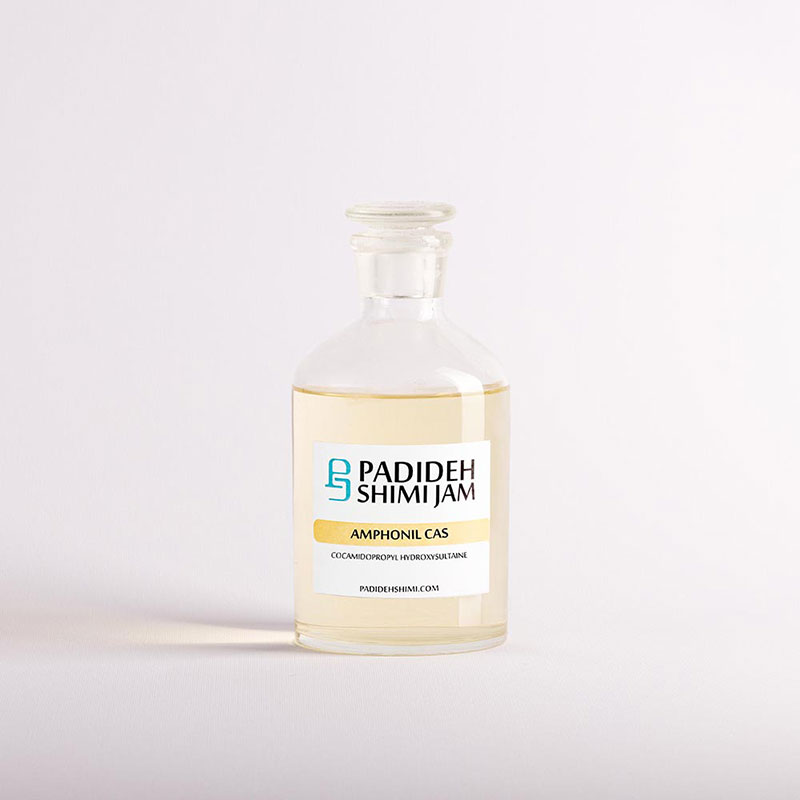
Cocamidopropyl Hydroxysultaine is an amphoteric surfactant in the sulfobetaine (sultaine) class derived from coconut oil. It is commonly used as a foam booster and viscosity builder in personal care products, as well as in household and industrial detergents.
Minimum Order Quantity: 220 kg Double-L-Ring Plastic Drum
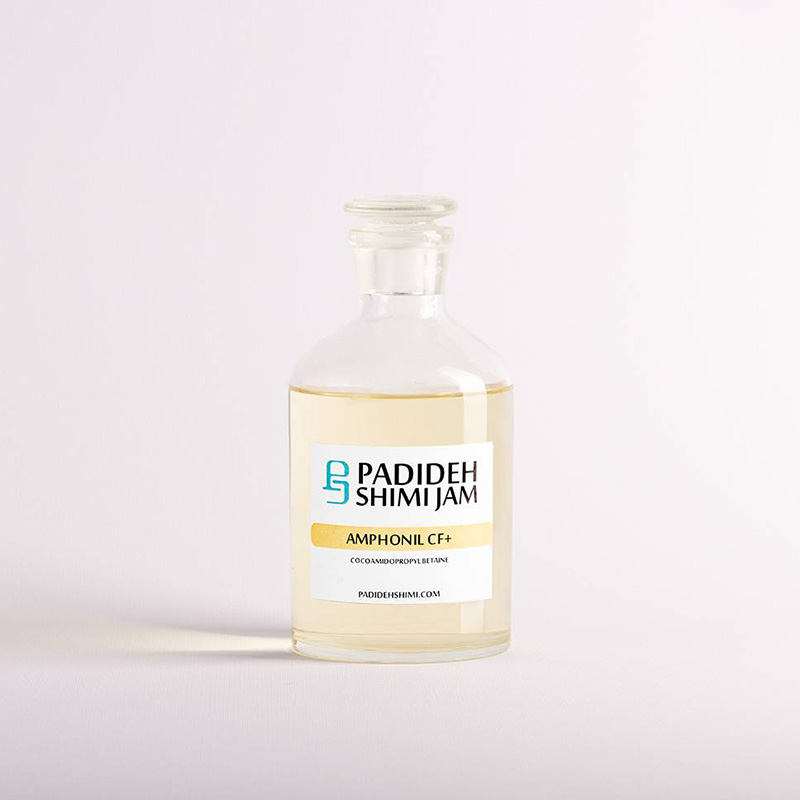
Cocoamidopropyl Betaine is a mild amphoteric surfactant based on coconut oil and dimethylaminopropylamine, utilized as a secondary surfactant in personal care products such as shampoos, moisturizing creams, body washes, conditioners, and liquid soaps.
Minimum Order Quantity: 220 kg double-inlet plastic drum
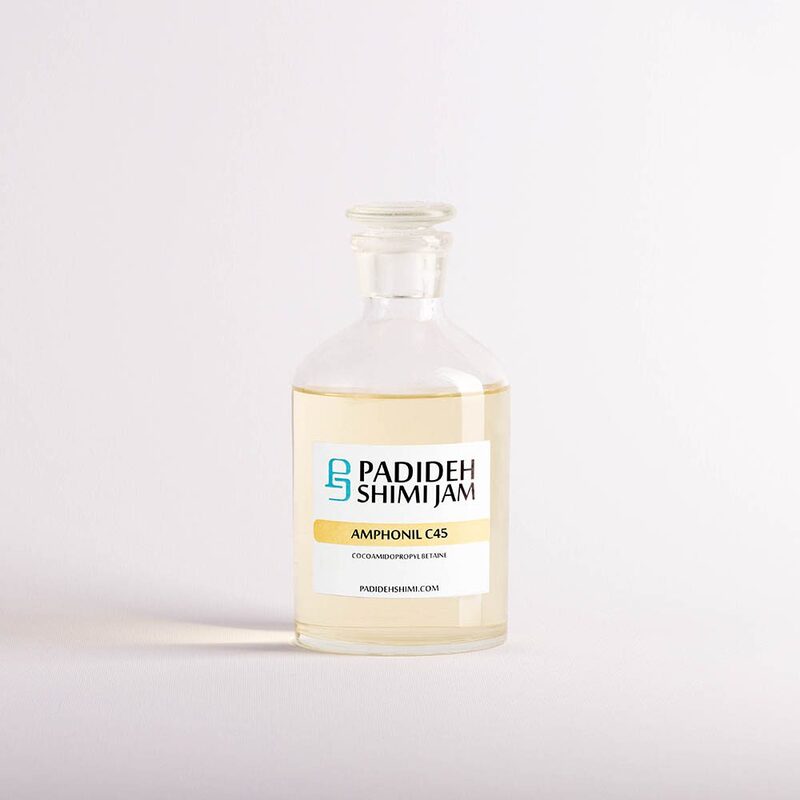
AMPHONIL C45 (Cocamidopropyl Betaine with higher active content) is an amphoteric surfactant based on dimethylaminopropylamine and coconut oil. It is used as a primary or secondary surfactant in personal care products, including moisturizing creams, shampoos, body wash products, liquid soaps, and conditioners, as well as in household care products such as hand wash and dishwashing liquids. Compared with similar products, this ingredient has higher dry residue and active content, which helps reduce production costs for personal and household care product manufacturers.
Minimum Order Quantity: One 220 kg Double-Opening Plastic Drum
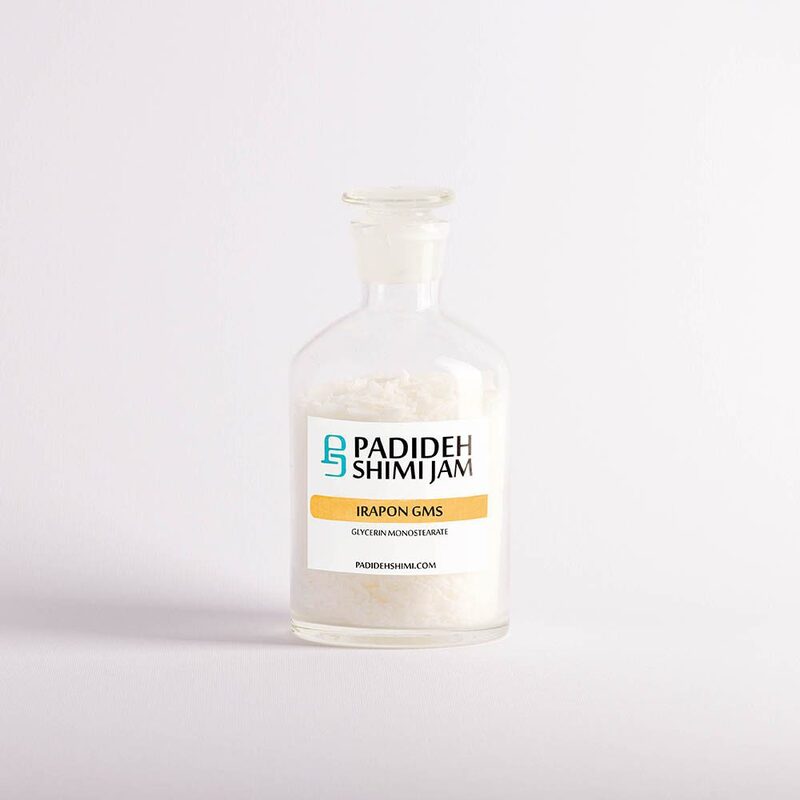
Glycerol Monostearate or IRAPON GMS, synthesized from glycerol and stearic acid, is a white solid compound. It is used as a viscosity modifier, emulsifier, humectant, wetting agent, solubilizer, emollient, anti-static agent, and preservative in cosmetic and personal care products such as cleansers, shampoos, liquid hand soaps, creams, and other makeup products.
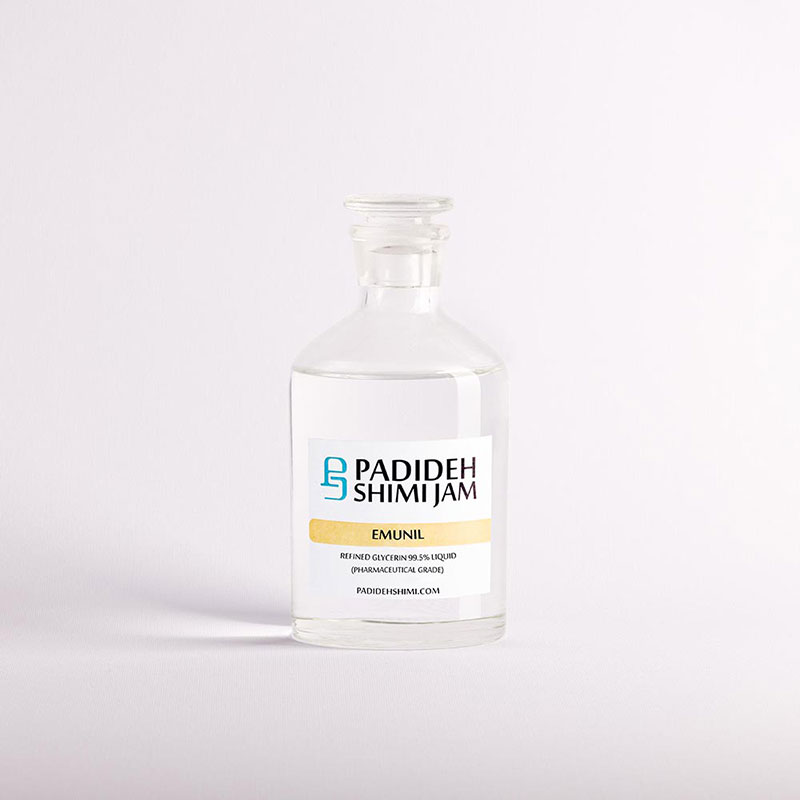
Pharmaceutical Glycerin meeting USP (United States Pharmacopeia) standard quality with a minimum purity of 99.5%, is a refined glycerin tailored for the pharmaceutical industry. It serves as a solvent, humectant, stabilizer, and base for suppository dosage forms, and is utilized in various pharmaceutical formulations.
Minimum Order Quantity: 220 kg Tight-Head Metal Drum
The pharmaceutical industry is one of the most critical and highly regulated sectors globally, where the quality of the end product directly impacts public health. The foundation of high-quality drug manufacturing relies on accessing pure, standardized pharmaceutical raw materials. Recognizing the strict demands of this industry, we provide a reliable supply bridge connecting premium global manufacturers with domestic pharmaceutical production plants.
Below is a technical guide for selecting and sourcing pharmaceutical ingredients in full compliance with recognized pharmacopeias (USP, BP, EP).
Unlike industrial grades, pharmaceutical chemical raw materials must pass stringent quality control checks. These ingredients comprise Active Pharmaceutical Ingredients (APIs) and Excipients, both requiring high purity, documented chemical stability, and complete freedom from microbial contamination and heavy metals. Every pharmaceutical-grade material must offer full traceability and be manufactured under strict GMP (Good Manufacturing Practices) guidelines.
Sourcing raw materials that fail to meet required standards introduces significant operational and product risks:
Procuring pharmaceutical raw materials backed by a verified Certificate of Analysis (COA) delivers distinct operational benefits to your production line:
These essential excipients form the core structure of numerous liquid and semi-solid dosage forms:
Refined Pharmaceutical Glycerin (Emunil):
Technical Role: Solvent, humectant, and sweetening agent.
Applications:
– In Syrups: Functions as a co-solvent to dissolve poorly water-soluble drugs, achieve optimal viscosity, and mask bitter active ingredients.
– In Creams: Acts as a humectant to draw moisture, preventing the formulation from drying out in the tube while maintaining skin hydration. A high purity profile exceeding 99.5% guarantees the complete absence of toxic contaminants such as diethylene glycol (DEG).
Pharmaceutical Quality Control (QC) units must verify the following core parameters on the COA upon receiving pharmaceutical industry raw materials:
Purity, Impurities, Active Assay, Manufacturing/Expiry Dates
The pricing of pharmaceutical ingredients is heavily dependent on currency exchange rates, manufacturer branding, international regulatory approvals (such as European GMP), and packaging specifications. Given market volatility and the critical nature of sourcing authentic materials, please contact our sales department for real-time price lists and commercial consultations.
Maintaining a secure, hygienic, and compliant supply chain is our utmost priority.
Available Packaging Options (Drums, Bags, Tankers)
Warehousing of pharmaceutical-grade raw materials is conducted within strictly monitored temperature and humidity-controlled facilities (GSP compliant). Transport is managed via clean, dedicated vehicles to systematically eliminate any risk of cross-contamination.
Frequently Asked Questions (FAQ)
1. Are your products supported by valid GMP documentation?
Yes.
2. Which pharmacopeia serves as the standard compliance base for your materials?
Padideh Shimi Jam’s pharmaceutical glycerin is manufactured and validated in strict compliance with the United States Pharmacopeia (USP) standards.
3. What is the Minimum Order Quantity (MOQ) for high-value chemical ingredients?
For precise data regarding the minimum order specifications for each product, please refer directly to the dedicated product page.
The download link will be sent to you via SMS.