blog

Eye Cream Ingredients

Most Important and Key Ingredients in Eye Cream Formulations

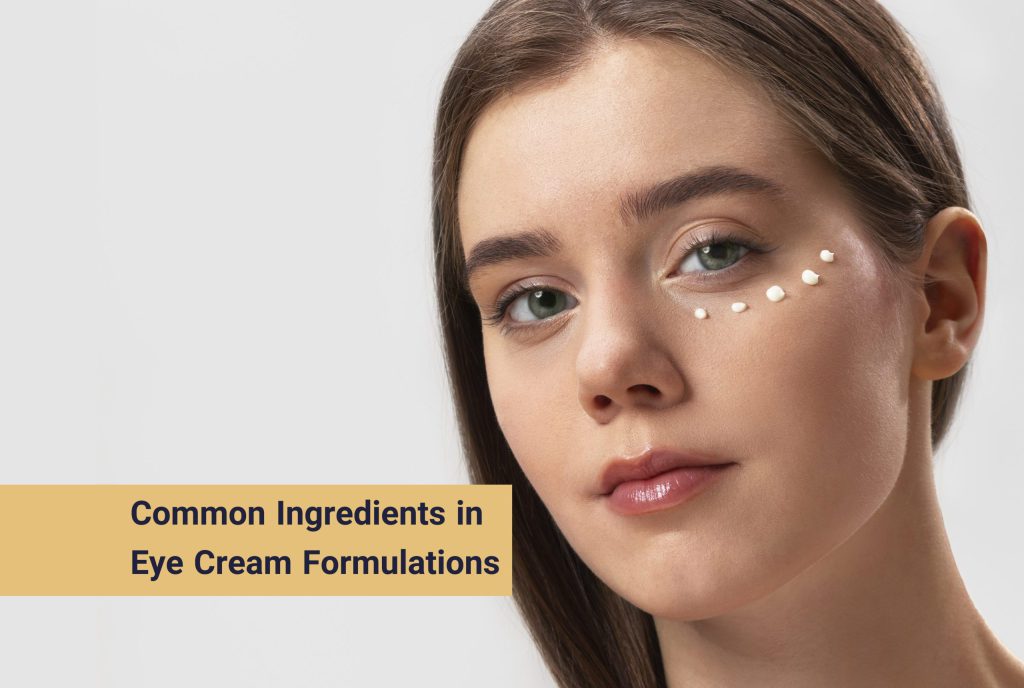
The skin around the eyes, as the thinnest and most sensitive area of the face, is the first place to reveal signs of fatigue, stress, and aging. From persistent crow’s feet and dark circles to morning puffiness, these challenges require products that go beyond ordinary moisturizers.

Have you ever wondered what turns an eye cream into a miracle product? The answer lies in the science of formulation and eye cream ingredients. In the world of skin care products, innovations have moved toward highly effective and proven-safe ingredients, from the anti-aging power of Retinol and peptides to deep hydration provided by Hyaluronic Acid and the de-puffing properties of Caffeine.

Today, manufacturers and consumers are increasingly turning toward natural and organic cosmetic and personal care raw materials, a trend that reflects the growing interest in “clean beauty.” Alongside this trend, innovative formulations such as Time-release formulas and Microencapsulation techniques have also entered the market. These innovations are not only intended to meet consumer needs, but also aim to exceed expectations by providing safe and effective products for long-term use. In this article, we will examine the commonly used raw materials in eye cream.

Understanding Eye Creams and Their Applications

Eye creams are usually marketed with claims such as reducing crow’s feet, hydrating dry skin, reducing under-eye dark circles, and minimizing puffiness around the eyes. Although not all eye creams deliver on these promises, they are products that go beyond a simple moisturizer.

The skin around the eyes dries out easily and quickly shows signs of aging, fatigue, and even lack of sleep. Fine lines and wrinkles usually begin to appear around the eyes in the late twenties and early thirties. Regardless of the cause, it is natural to want to conceal these undesirable signs. However, it should be noted that the skin around the eyes is more delicate and sensitive than other areas of the face. This thin and vulnerable skin requires specialized care products, and this is precisely where eye cream becomes important.

Read more: Hair Spray Formulation

Main Ingredients in Eye Creams

Understanding the key ingredients used in both classic and innovative eye cream formulations is essential in the complex world of eye cream production for brands planning to launch a new line of eye creams.

Hyaluronic Acid, Retinol, and Glycerin are among the main and widely used ingredients in the skin care industry; they are popular for their ability to hydrate the skin and address signs of aging. Alongside these ingredients, increasing attention is being given to innovative ingredients such as peptides and ceramides, which help strengthen the skin’s protective barrier and improve its elasticity. The growing use of natural extracts such as green tea and Caffeine also indicates a shift toward ingredients that are highly effective in reducing under-eye puffiness and dark circles.

This combination of traditional and emerging ingredients provides brands with a rich range of options for creating products that not only meet the expectations of today’s consumers but also exceed them.

Raw materials for eye cream formulation

Below are some of the most widely used raw materials in the production of eye creams.

  • Retinol (Retinol):

One of the most effective ingredients for reducing the appearance of wrinkles. Retinol plays an important role in skin cell renewal and rejuvenation. However, due to the high sensitivity of the skin around the eyes, eye creams typically contain lower concentrations of Retinol than facial creams.

  • Hyaluronic Acid (Hyaluronic Acid):

This powerful ingredient is known for its ability to retain moisture and hydrate the skin. Although its greatest effect occurs when it is fully absorbed into the skin, topical application can also help plump the area around the eyes and make fine lines and wrinkles less noticeable. Eye creams containing Hyaluronic Acid can provide effective hydration and a temporary smoothing effect for the skin.

  • Glycerin (Glycerin):

This widely used ingredient is used to moisturize and hydrate dry skin. Glycerin remains mostly on the skin’s surface and has a better performance than Hyaluronic Acid in creating a protective barrier. It also has the ability to bind to water molecules and helps maintain skin moisture. This ingredient is considered very safe.

  • Caffeine (Caffeine):

It is commonly used in eye cream formulations due to its strong anti-inflammatory properties. Caffeine can reduce the appearance of dark circles and under-eye puffiness by constricting blood vessels. Eye creams typically contain between 1 and 3 percent Caffeine. The dual role of Caffeine in soothing the skin and helping improve pigmentation makes it an effective option for many consumers.

  • Stearic Acid (Stearic Acid):

A common and multifunctional fatty acid, this ingredient helps make the skin soft and smooth as an emollient, gives cream products structure and consistency, and also helps stabilize water and oil mixtures (emulsions).

  • SPF (Sun Protection Factor):

It helps prevent sun-induced damage and the formation of wrinkles.

  • Peptides (Peptides):

Peptides are short chains of amino acids that act as building blocks for proteins such as collagen and elastin; these proteins are essential for maintaining skin firmness and elasticity. In eye creams, peptides can help reduce fine lines and wrinkles by stimulating collagen production and improving skin texture.

Consumer Expectations: Safety and Effectiveness of Eye Cream Ingredients

Consumer expectations for eye creams are setting new standards for brands. Today’s consumers are more informed and discerning than ever and are looking for products that not only address common concerns such as dark circles, puffiness, and wrinkles, but are also trustworthy in terms of ingredient transparency and safety. They prefer ingredients that are not only effective but also gentle and supported by scientific evidence.

This change in consumer behavior represents an important shift, emphasizing equal priority for safety and effectiveness. For emerging skin care brands, this means significant investment in research and development to provide formulations that meet these strict expectations. Achieving this balance is not simply about keeping up with current trends, but about aligning product development with the new values and demands of consumers, ensuring that eye creams not only deliver on their promises but also maintain the highest safety standards.

Conducting rigorous safety and efficacy testing, together with a commitment to ethical sourcing of raw materials, provides a strong foundation for producing products that not only meet consumer expectations but also exceed them.

Padideh Shimi Jam, a manufacturer of chemical raw materials for industries, is a knowledge-based company. To place an order and purchase products, contact the sales experts at this company at 02188850000.

Summary:

The eye cream market is experiencing significant innovations aimed at addressing the sensitivity and specific needs of the skin around the eyes, driven by consumer demand for fast and long-lasting effectiveness. These products are no longer merely moisturizers, but instead use a smart combination of classic and advanced ingredients. Key ingredients such as Hyaluronic Acid, Retinol, peptides, and Caffeine each serve a specific purpose, including hydration, cell renewal, collagen stimulation, and reducing puffiness and dark circles. These innovative formulations, often developed using technologies such as time-release systems, reflect the growing trend toward clean beauty and the increasing emphasis consumers place on transparency, safety, and scientific support alongside product performance.

Frequently Asked Questions:

1. Why does the skin around the eyes need a specialized cream?

The skin around the eyes is much thinner and more sensitive than other areas of the face and shows signs of aging, fatigue, and dehydration sooner; therefore, it requires specialized care products.

2. What are the three key and widely used ingredients in eye creams?

Retinol (for wrinkles and cell renewal), Hyaluronic Acid (for hydration and plumping fine lines), and Glycerin (for moisturizing and creating a protective barrier).

3. Which ingredients are effective in reducing under-eye puffiness and dark circles?

Caffeine, through its blood vessel-constricting and anti-inflammatory properties, and natural extracts such as green tea, are highly effective in reducing under-eye puffiness and dark circles.

Sources:

https://lmskincentre.com/

https://incidecoder.com/

https://columbiadermsc.com/

https://www.allaboutvision.com/
Dishwashing Liquid Formulation

Dishwashing Liquid Formulation: Specialized Review of Key Ingredients and Environmental Standards

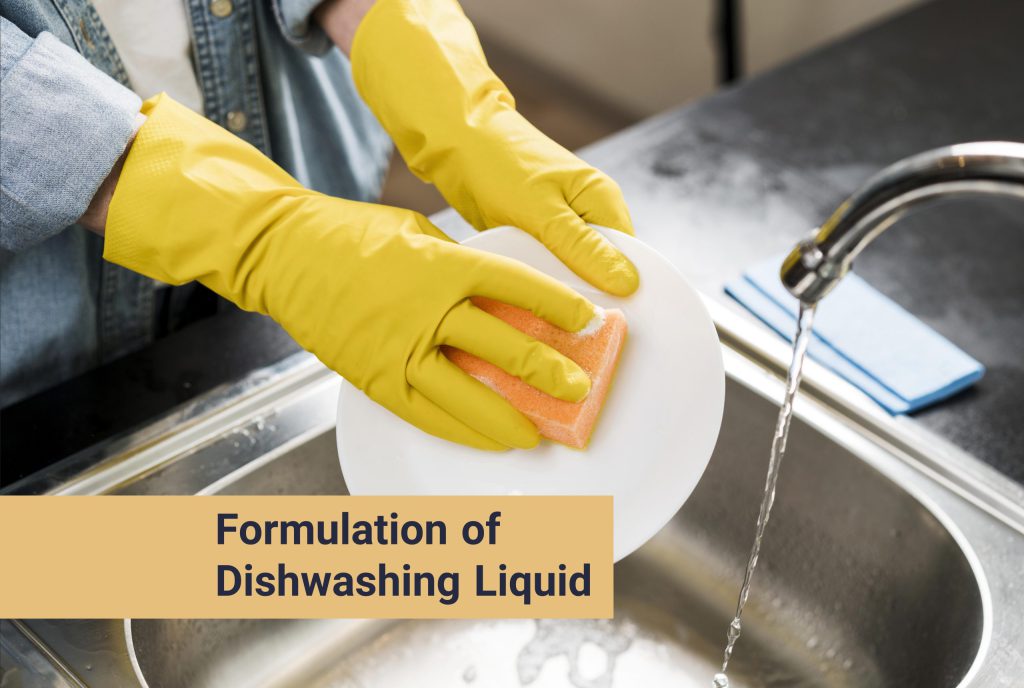
Dishwashing liquid formulation plays an important role in the performance and cleaning efficiency of this widely used product. Since dishwashing liquid is an essential household cleaning product and plays an important role in maintaining kitchen cleanliness and hygiene, the right formulation can easily remove grease, stains, and stubborn food residues. In this comprehensive guide, we examine various aspects of dishwashing liquid formulation; from the primary role of water as a universal solvent and the key cleaning performance of surfactants such as SLS and SLES, to the importance of chelating agents in dealing with hard water and well-known brands, as well as environmentally friendly solutions designed for modern kitchens.

The history of dishwashing liquid dates back to the early twentieth century, when the first synthetic detergents were developed. Since then, the formulation of these products has continuously evolved to provide greater efficiency, improved safety, and better environmental compatibility. Today, various types of dishwashing liquids are available on the market, each offering specific benefits.

Key Ingredients in an Effective and Functional Dishwashing Liquid Formulation:

In dishwashing liquid formulation, many effective ingredients are used, each with its own specific function and performance. Below, we introduce the key active ingredients used in dishwashing liquid formulation.

Water as the Main Ingredient in Dishwashing Liquid Formulation:

Water is the main ingredient in dishwashing liquid. It is known as the “universal solvent” because it can dissolve a greater variety of substances than almost any other liquid. Water alone is considered a good cleaning agent, but when combined with detergents and surfactants, it becomes a highly powerful and effective dishwashing liquid.

Read more:Factors Affecting the Global Dishwashing Liquid Market

Solvents for Removing Grease in Dishwashing Liquid Formulation:

Solvents help dissolve grease and loosen stubborn stains. Ethanol and Isopropyl Alcohol are common solvents that improve cleaning performance.

Surfactants for Effective Cleaning:

Common surfactants used in dishwashing liquid formulations include Sodium Lauryl Sulfate (SLS), Sodium Laureth Sulfate (SLES), Cocamidopropyl Betaine, Soyamid, Coconut Fatty Acid Diethanol Amide, and Alkyl Polyglucoside. Alongside these ingredients, Sodium Xylene Sulfonate can be used as a highly effective sulfonated hydrotrope. Since hydrotropes increase the solubility of sparingly soluble organic materials in water, Sodium Xylene Sulfonate helps keep active cleaning ingredients well dispersed and effective even in complex formulations. As a result, products containing OXONIL SXS are clearer, more stable, and provide better performance.

Thickeners and Rheology Modifiers in Dishwashing Liquid Formulation

  • Sodium Chloride: Commonly known as table salt, it is used to increase the viscosity of dishwashing liquid.
  • Hydroxypropyl Methylcellulose (HPMC): A cellulose-based viscosity-enhancing agent that helps control the viscosity and uniformity of dishwashing liquid.
  • Xanthan Gum: A natural viscosity enhancer obtained through the fermentation of sugars that provides the product with a smooth and stable texture.

Chelating Agents (Chelating Agents)

Chelating agents such as Ethylenediaminetetraacetic Acid (EDTA) and Diethylene Triamine Penta(Methylene Phosphonic Acid) (7-Na) (DTPMP – 7Na) work by binding to metal ions present in hard water. This process reduces the formation of soap deposits and improves cleaning efficiency. As a result, the formation of films and residues on dishes and glassware is prevented, leaving them shiny and completely clean.

Preservatives for Extending Product Shelf Life

To maintain product performance over time, preservatives are added to prevent the growth of bacteria and fungi. These preservatives prevent microbial growth and maintain the quality and effectiveness of the product. One of the common preservatives used in dishwashing liquid formulations is Methylisothiazolinone (MIT).

Conditioning Agents and Skin Care

Ingredients such as Glycerin or Polyquaternium-7 can be used in dishwashing liquid formulations to create a mild and skin-friendly product. These additives help moisturize and soothe the skin of the hands and reduce the risk of dryness or irritation caused by frequent use.

Enzymes in Dishwashing Liquid Formulation

Enzymes such as proteases, amylases, and lipases are biological catalysts that help break down food particles, proteins, starches, and fats, respectively. Adding these enzymes to dishwashing liquid formulations increases the cleaning power of the product and enables more effective removal of stubborn stains and food residues.

Fragrances

Fragrances or essential oils can be added to dishwashing liquid to create a pleasant scent and improve the user’s sensory experience. The use of a variety of fragrances makes it possible to appeal to different preferences, such as citrus, floral, or herbal fragrances.

Colors and Pigments

Adding color to dishwashing liquid increases its visual appeal and attracts attention on store shelves, helping differentiate the product from competitors. Color can also indicate the type of fragrance or a specific formulation; for example, green for herbal fragrances or blue for sea-inspired fragrances.

Considerations Regarding pH, Temperature, and Stability of Dishwashing Liquid Formulation

To achieve optimal performance and stability, formulators should maintain the pH of dishwashing liquid between 7 and 9 and store the product at room temperature.

Health and Environmental Considerations

When using any cleaning product, it is essential to consider its impact on human health and the environment. Fortunately, most reputable dishwashing liquid manufacturers are aware of these concerns and strive to produce products that are safe for consumers and environmentally compatible.

Summary:

Dishwashing liquid, as an essential product for kitchen hygiene, has evolved into a complex combination of specialized chemical ingredients to provide improved efficiency and safety. An effective formulation is based on water as the primary solvent and includes key ingredients: surfactants such as SLS and SLES for removing grease, solvents such as ethanol for dissolving stains, and hydrotropes such as Sodium Xylene Sulfonate for improving the stability and performance of cleaning agents. In addition, additives such as thickeners including salt and Xanthan Gum, chelating agents such as EDTA for dealing with hard water, preservatives for extending shelf life, and enzymes for breaking down food residues all contribute to the final performance of the product.

Modern manufacturers, in addition to maintaining appropriate pH and product stability, also pay attention to skin-conditioning agents such as Glycerin and environmental considerations in order to provide consumers with a product that is safe, environmentally compatible, and appealing in terms of its visual appearance and pleasant fragrance.

Factors Affecting the Global Dishwashing Liquid Market

Global Factors Affecting the Dishwashing Liquid Market

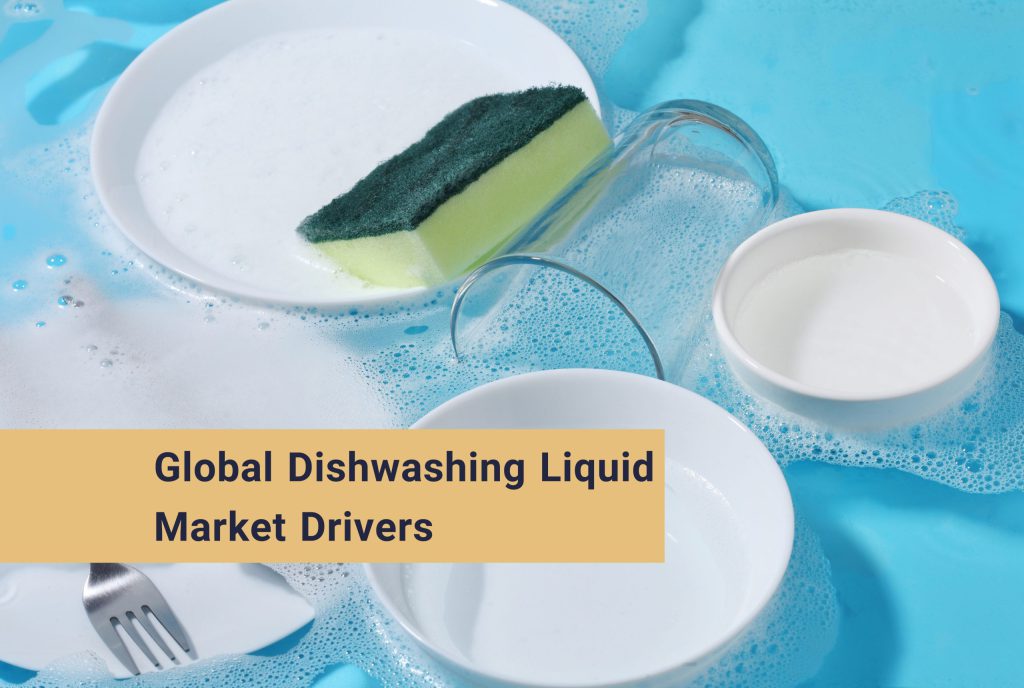
The global dishwashing liquid market is on a path of significant growth, driven by the convergence of social, economic, and technological factors. Demand is shifting from a sole focus on cleaning effectiveness toward greater attention to ease of use, health, and the use of environmentally friendly detergent raw materials. The following comprehensive analysis examines the key drivers of growth and expansion in the dishwashing liquid market.

Factors affecting the expansion of the dishwashing liquid market

Shift Toward Environmentally Friendly Products

The dishwashing liquid market is witnessing a significant shift toward biodegradable and environmentally friendly products. As environmental concerns increase, consumers are showing a greater preference for products that are free from harmful chemicals and use sustainable packaging. Data indicate that nearly 60 percent of consumers prefer environmental labels when selecting products.

As a result, manufacturers are investing in research and development to offer formulations that align with these preferences; an approach that can significantly increase the market share of environmentally friendly brands. The growing demand for sustainable options is likely to transform the competitive landscape of the dishwashing liquid market.

Dishwashing Liquid Market and Formulation Innovation

Formulation innovation plays an important role in shaping the dishwashing liquid market. Innovations in chemical formulations have led to the production of cleaning agents with higher performance and efficiency. For example, the use of enzymes and surfactants that target specific stains has improved the performance of dishwashing liquids.

According to market data, products that use advanced cleaning technologies have received greater consumer acceptance. This trend indicates that consumers are willing to pay more for products with higher quality and greater cleaning power, which will significantly contribute to the growth of the dishwashing liquid market.

Pricing and Brand Competition and Their Impact on the Dishwashing Liquid Market:

Intense competition among local and international brands has made pricing one of the key factors in consumer decision-making. Brands that have been able to offer high quality at reasonable prices have been more successful.

Dishwashing Liquid Market Segmentation

By Product Type: Liquid (Largest Segment) vs. Gel (Fastest Growth)

In the dishwashing liquid market, the liquid form continues to hold the largest market share due to its long-standing reputation for effective cleaning. Dishwashing liquids have gained consumer acceptance because of their ease of use and high ability to dissolve grease and impurities.

In contrast, the dishwashing gel market is growing rapidly and is attracting attention due to its unique formulation, which combines higher viscosity with targeted cleaning performance. This growth trend is particularly strong among environmentally conscious consumers, as gels generally allow more precise control over the amount used.

The growth of the gel segment is mainly driven by changing consumer preferences toward greater convenience and efficiency in dishwashing. In addition, technological advances in formulation have enabled gel products to provide greater effectiveness in removing stubborn stains. Brands are also increasingly investing in marketing these products as multifunctional and efficient options capable of meeting diverse dishwashing needs.

The growing preference for environmentally friendly products has also increased demand for the gel format, as many brands now offer biodegradable and phosphate-free versions of these products.

By Application: Household (Largest Segment) vs. Commercial (Fastest Growth)

The household segment continues to form the core of the dishwashing liquid market, offering a wide variety of products to meet different household dishwashing needs. Features such as environmental compatibility, concentrated formulations, and pleasant fragrances have made these products a popular choice for consumers seeking an effective and enjoyable dishwashing experience.

On the other hand, the commercial segment is growing at a remarkable rate and is recognized as one of the key drivers of market development. This segment focuses on large-scale dishwashing needs and generally uses large-volume packaging and specialized formulations designed for speed, efficiency, and strong cleaning performance. As businesses increasingly focus on operational efficiency and sustainability, the commercial segment has demonstrated significant growth potential.

Factors affecting the dishwashing liquid market

By Composition: Surfactants (Largest Segment) vs. Enzymes (Fastest Growth)

Surfactants have long been recognized as a primary component in dishwashing liquid formulations because of their high ability to remove grease and impurities from dish surfaces. They work by reducing the surface tension of water, allowing it to spread and penetrate more effectively and thereby increasing cleaning efficiency. Surfactants are also available in various types, including anionic, nonionic, cationic, and amphoteric surfactants, each of which plays a different role in the cleaning process.

In contrast, enzymes have emerged as an important and growing segment of the market, particularly as awareness of sustainable cleaning solutions increases. Enzymes target specific stains and residues and break them down into smaller molecules that are easier to wash away. This property has made enzymes highly effective in improving dishwashing liquid performance and a popular option among environmentally conscious consumers.

Surfactants and chemical raw materials such as Sodium Laureth Sulfate, Cocamidopropyl Betaine, Coconut Fatty Acid Diethanol Amide, Sodium Xylene Sulfonate, PEG-7 Glyceryl Cocoate, Glycerin, Polyquaternium-7, Sodium Hydroxide, and Sulfonic Acid are used in the production of various dishwashing liquids and gels.

Padideh Shimi Jam is one of the manufacturers of chemical raw materials in Iran. To purchase and place an order, contact the experts at this company at 02188850000.

Glass Cleaner Formulation

Glass Cleaner Formulation: Specialized Review of the Most Important Raw Materials and Safety Considerations

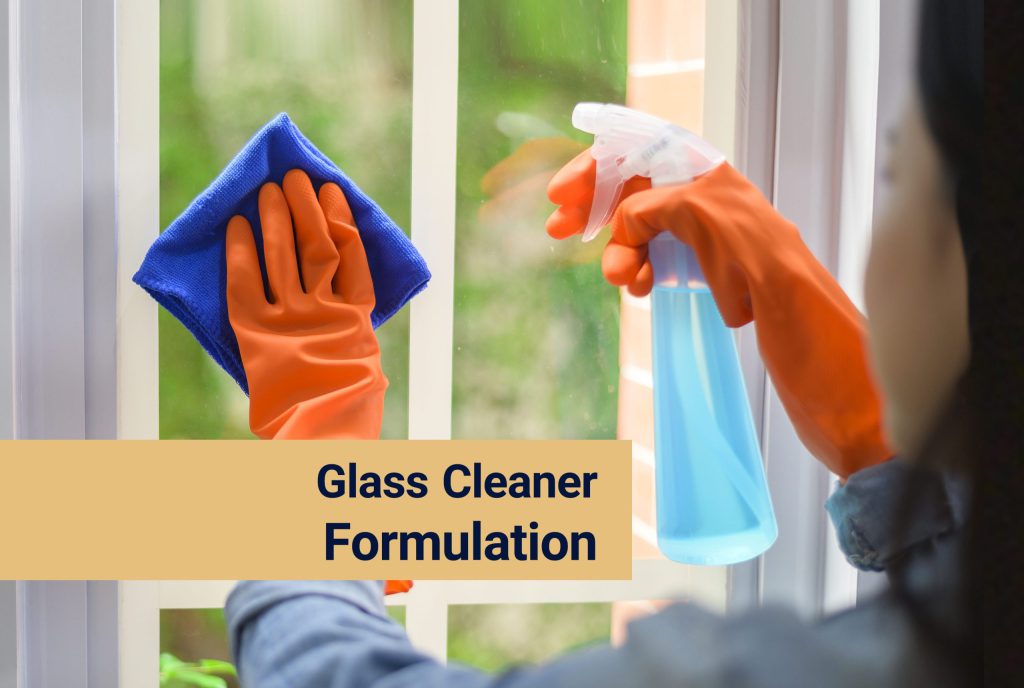
Glass cleaner is one of the most widely used household cleaning products and plays an important role in maintaining the cleanliness and clarity of glass surfaces. This product is designed to remove stains, dust, grease, and fingerprints without leaving any residue or haze behind.

Manufacturers use various chemicals to prepare their glass cleaner formulations. The differences between these formulations are usually related to cleaning power, mildness, the type of Wetting Agents, and performance-enhancing additives. The precise formulation of this product is highly important because, by using appropriate detergent raw materials, a balance must be maintained between cleaning power, safety for skin and surfaces, and environmental compatibility. The following sections examine the components and formulation design principles of glass cleaners.

Chemical formulation of glass cleaner

Key Ingredients in Glass Cleaner Formulations:

Solvents

Water is the primary solvent in most glass cleaner formulations, but other solvents such as isopropanol, ethanol, and glycol ethers such as 2-butoxyethanol are also often added to glass cleaner formulations to enhance cleaning power. These solvents help dissolve oils, grease, and impurities and make them easier to remove. The type and ratio of solvents used can affect effectiveness, evaporation rate, and compatibility with different surfaces.

  • Distilled Water

Water is the main base of most glass cleaners. However, in glass cleaner formulations, distilled water is used instead of tap water. Distilled water is free from minerals and impurities, and this property prevents residues or spots from remaining on the glass surface after drying. In contrast, tap water usually contains dissolved minerals such as calcium and magnesium, which can leave streaks or white spots after the water evaporates. Using distilled water in a glass cleaner formulation results in a clear, smooth, and streak-free surface.

  • Isopropyl Alcohol (IPA)

Isopropyl alcohol, also known as rubbing alcohol, is one of the main ingredients in most glass cleaner formulations and acts as a solvent. This material breaks down grease, fingerprints, and similar stains, helping create a clean and smooth glass surface. Its important property is its rapid evaporation, which prevents residues or spots from being left behind and results in a bright and clear surface. For this reason, this compound is particularly widely used in glass cleaners for automotive glass, mirrors, and windows, where surface clarity and transparency are highly important.

Read more: Hair Spray Formulation

Surfactants in Glass Cleaner Formulations

Anionic surfactants such as Sodium Lauryl Sulfate (SLS), Sodium Laureth Sulfate (SLES), nonionic surfactants such as Alkyl Polyglucoside (APG), and amphoteric surfactants such as Cocamidopropyl Betaine (AMPHONIL CF+) are common ingredients in glass cleaner formulations. Achieving the proper balance among these surfactants ensures effective cleaning without leaving any residue or haze on the surface.

Some glass cleaner products also use hydrotropes such as Sodium Xylene Sulfonate (OXONIL SXS) because they improve the effectiveness and solubility of other materials used in the solution. This mild degreasing agent is compatible with a wide range of ingredients used in these products.

Alkaline Agents

Alkaline agents such as Ammonia, Ammonium Hydroxide, or Ethanolamine are commonly added to glass cleaner formulations to increase their cleaning and degreasing power. These compounds help break down stubborn impurities and create an alkaline environment that improves the effectiveness of surface-active agents (surfactants). However, these agents should be used carefully and in balanced amounts to prevent potential health hazards and incompatibility with certain surfaces.

Other Additives

In addition to the main ingredients, these products may contain fragrances to provide a pleasant scent, dyes for visual appeal, and preservatives to prevent microbial growth and extend shelf life. These additives should be selected carefully to ensure compatibility with the overall formulation and compliance with legal requirements.

  • Fragrances: (Fragrances) Some glass cleaners contain pleasant fragrances that leave a fresh scent after cleaning. These fragrances can be citrus, floral, or even very mild and subtle, making them suitable for people who are sensitive to strong odors.
  • Dyes (Dyes): Dyes are generally added to give the product a specific color. Although they do not affect cleaning performance, they make the product more visually appealing and help consumers distinguish different products more quickly.

Glass Cleaner Formulation Table:

General Category Composition (Raw Material) Key Role in Formulation
Solvents and Base Distilled Water Main base of the formulation
Isopropyl Alcohol (IPA) Solvent and evaporation rate enhancer
Other Solvents Auxiliary solvent to increase cleaning power
Cleaning Agents (Surfactants) Anionic Surfactants Reduction of surface tension and cleaning
Nonionic and Amphoteric Surfactants Reduction of surface tension and emulsification
Hydrotropes Improved solubility and effectiveness
Performance Enhancers Alkaline Agents Increased cleaning and degreasing power
Functional and Aesthetic Additives Preservatives Extended product shelf life
General Category Fragrances Creation of a pleasant fragrance
Solvents and Base Dyes Visual appeal and product differentiation

Further Reading: Key Principles of Baby Shampoo Formulation: From Mild Surfactants to Balanced pH

Considerations in Glass Cleaner Formulation:

Several key factors should be considered during the development of a glass cleaner formulation:

  • pH Range: The appropriate pH range for glass cleaners is generally between 7 and 11, with most formulations falling within the slightly alkaline range (pH 8 to 10). This pH range provides effective cleaning while reducing the risk of surface damage and potential health hazards.
  • Balance Between Cleaning Power and Streak-Free Performance: Formulators must balance the cleaner’s ability to remove stubborn impurities with the possibility of leaving residues or spots on the surface. This is usually achieved by carefully adjusting the ratios of solvents, surfactants, and alkaline agents.
  • Compatibility with Glass Coatings and Finishes: Certain ingredients, particularly solvents and alkaline agents, may damage or alter specific coatings or finishes used on glass surfaces. Therefore, formulations must be tested on different types of surfaces to ensure compatibility and modified when necessary.
  • Stability, Compatibility, and Shelf Life: A glass cleaner must remain stable over time, and its ingredients must be compatible with one another and with the packaging materials. The use of preservatives is essential to prevent microbial growth and extend the product’s shelf life.

Review of pH Range and Glass Cleaner Performance:

  • Acidic Glass Cleaners pH 3 to 6

Glass cleaners with an acidic pH are mainly designed to remove hard and stubborn stains caused by mineral deposits, hard water, and soap residues. These types of cleaners are particularly useful in humid areas, where limescale deposits and water spots tend to accumulate on glass surfaces over time. Acidic cleaners can easily dissolve these deposits and remove them with a simple wipe.

  • Neutral Glass Cleaners pH 6 to 8

Neutral pH cleaners clean glass gently and in a balanced manner. These solutions are highly suitable for routine cleaning and simple maintenance because they can remove dust, grease, and surface impurities without scratching or damaging the surface. These cleaners do not damage automotive glass, household windows, car mirrors, or bathroom glass tables. Neutral cleaners also help prevent streaks and spots, which is why they are highly popular among household consumers and professionals looking for a streak-free and glossy result. Due to their mildness toward most household and commercial glass surfaces, this type is among the most common glass cleaning products.

  • Alkaline Glass Cleaners pH 8 to 12

Alkaline cleaners are designed for heavy-duty applications and are highly suitable for industrial and commercial environments where grease, oil, and industrial residues accumulate. These formulations perform effectively in places such as industrial kitchens, automotive repair shops, or factories. In such environments, the cleaner must be sufficiently powerful to remove grease and stubborn impurities that neutral or acidic cleaners cannot eliminate.

Legal and Safety Aspects of Glass Cleaner Formulation

Glass cleaner manufacturers must consider a range of legal requirements and safety considerations:

  1. Regulations Regarding Volatile Organic Compounds: In many regions, regulations are in place to limit the amount of volatile organic compounds such as glycol ethers in cleaning products. Formulators must ensure that their products comply with these regulations.
  2. Labeling Requirements: Glass cleaners must be properly labeled in accordance with local and national laws. This labeling should include the list of ingredients, safety warnings, and directions for use.
  3. Proper Storage and Handling: Raw materials used in glass cleaner formulations may require specific handling and storage procedures to maintain safety and prevent deterioration in raw material quality.
  4. Incompatible Chemicals: Certain compounds such as Ammonia and bleach can produce dangerous gases when mixed. Therefore, formulators must provide clear warnings against mixing the product with incompatible materials.

Padideh Shimi Jam, a chemical raw material manufacturer in Iran, is a knowledge-based company. To purchase and order raw materials, contact the company’s experts at 02188850000.

Conclusion:

Developing a high-performance glass cleaner requires an in-depth understanding of the key ingredients, how they interact, and the precise balance needed to achieve optimal results. By carefully selecting solvents, surfactants, alkaline agents, chelating agents, and additives, formulators can produce a product that effectively removes impurities while leaving the glass surface streak-free and glossy.

Given the continued growth of the cleaning products industry, awareness of new ingredients, regulatory changes, and consumer preferences is essential for maintaining competitiveness. By continuously updating and innovating glass cleaner formulations, commercial manufacturers can respond to changing market needs and maintain their position as leaders in the industry.

Sources:

https://stppgroup.com/a-manufacturers-guide-to-glass-cleaners/

https://elchemy.com/blogs/intermediates-solvents/how-to-make-glass-cleaners-for-commercial-and-industrial-applications

https://www.ewg.org/cleaners/products/10676-WindexwithVinegar/

Hair Spray Formulation

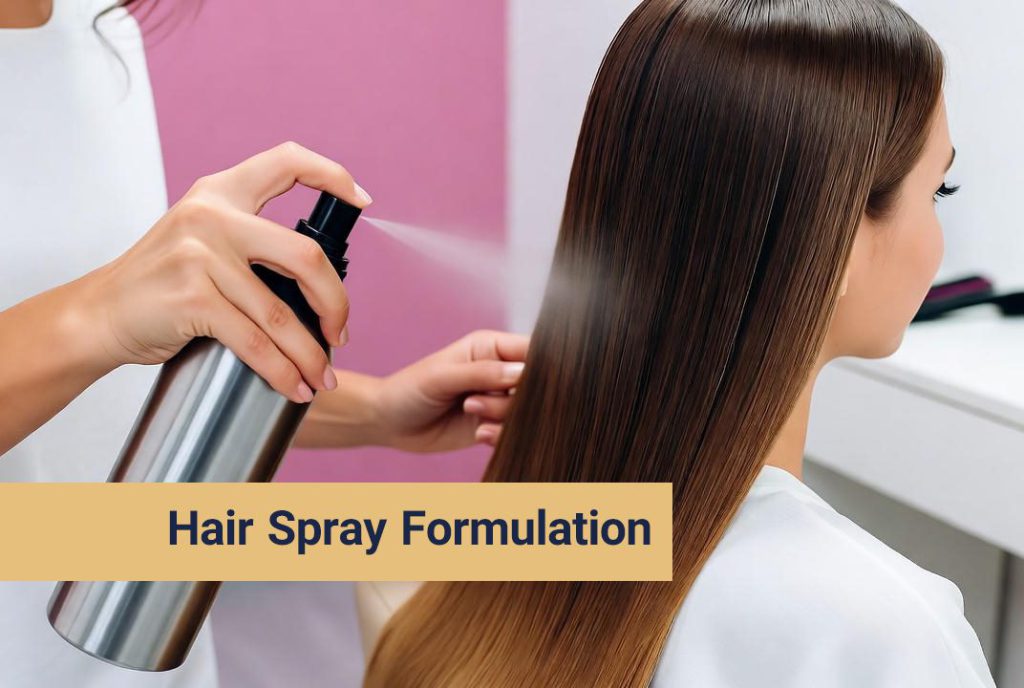
Hair spray, this vital tool in styling and beauty, is more than a simple product; it is a masterpiece of chemical engineering. While the general public focuses only on its final result, namely long-lasting hold and shine, it is the hair spray formulation that primarily determines its quality, safety, and effectiveness.

From the 1940s, when the first generations of this product entered the market, to today, when environmental and health concerns have become priorities, the chemical composition of hair sprays has undergone a major revolution. Modern manufacturers are required to strike a complex balance between strong performance, such as creating texture and controlling frizz, user safety, and compliance with environmental regulations, including the reduction of VOCs.

This article provides a comprehensive and scientific analysis of advanced hair spray formulation. We will examine in detail how fixing polymers (PVP and acrylates) form the foundation of hold, solvents ensure uniform distribution, plasticizers prevent brittleness, and propellants in aerosol types enable optimal spraying. Join us to learn about hair spray formulation.

A Brief Look at the History of Hair Spray

The first hair sprays were developed in the mid-20th century. Early formulations focused mainly on providing strong hold, but they often made the hair stiff and sticky and had limited appeal.

Over time, as hairstyling became more dynamic, hair sprays also evolved. During the 1970s and 1980s, manufacturers introduced more diverse formulations that allowed styles ranging from natural and soft to structured and bold. The use of flexible polymers made the final appearance of the hair look more natural, turning hair spray into an essential tool for professional hairstylists and everyday consumers.

Today, hair sprays are produced in various types, each designed for a specific hair type and different styling needs.

Read more: Applications of Polyquaternium-7 in Hair Care Products: Reducing Hair Frizz and Static Electricity

The Role of Hair Spray in Styling and Hairdressing

Hair spray is one of the most multifunctional products in the world of hair styling and has a variety of applications:

  1. Hold and Control : Hair spray helps maintain a hairstyle throughout the day and prevents it from becoming disarranged by providing flexible or firm hold.
  2. Texture Creation: Some sprays add texture to the hair, making styling easier and allowing the creation of styles with greater volume, messy looks, or structured forms. Texturizing sprays are especially popular for styles such as beach waves or messy updos.
  3. Shine: Many hair sprays contain ingredients that enhance the hair’s natural shine and give it a healthy and glossy appearance.
  4. Frizz and Split-End Control: By forming a lightweight layer over the hair, hair spray prevents moisture penetration, thereby reducing frizz and creating a smooth and neat appearance.

The versatility of hair spray has made it a popular choice for various occasions, from everyday styling to complex hairstyles for special events.

Hair Spray Formulation: Balancing Performance, Safety, and User Experience

Producing a high-quality hair spray requires achieving a delicate balance between effectiveness and consumer convenience. The product must be able to hold the hairstyle while also being easy to use and safe for both the user and the environment. Key considerations include:

  • Performance: Hair spray should provide consistent results, with uniform distribution over the hair and long-lasting hold. It should also provide specific benefits such as reducing frizz or increasing shine without negatively affecting the hairstyle.
  • Safety: Modern formulations avoid harsh chemicals that may harm the hair, scalp, or environment. For example, the use of volatile organic compounds (VOCs) in Aerosol Sprays is now restricted to help prevent air pollution.
  • User Experience: Hair spray should feel lightweight on the hair, be easy to comb through, and leave no residue or sticky effect. A good hair spray should facilitate the styling process rather than become an obstacle.

Hair spray formulations continue to evolve, driven by consumer demand for better performance, safer ingredients, and environmentally friendly options. This evolution demonstrates the continued importance of hair spray in achieving beautiful and long-lasting hairstyles while addressing modern challenges and preferences.

Read More: Key Principles of Baby Shampoo Formulation: From Mild Surfactants to Balanced pH

Key Ingredients in Hair Spray Formulation

Producing an effective hair spray requires a precise combination of selected raw materials, each of which plays a specific role in performance, safety, and consumer satisfaction. From maintaining the hairstyle to enhancing shine and protecting against humidity, these ingredients work together to provide a reliable and user-friendly product.

1. Fixing Polymers (5 to 20 percent)

Fixing polymers are the main foundation of hair spray formulations. These materials form a thin layer over the hair and help maintain the hairstyle and its structure.

  • Examples :
    • Polyvinylpyrrolidone :(PVP) A widely used polymer that provides strong hold and flexibility.
    • Acrylate Copolymers: They improve hairstyle durability, particularly for styles that require long-lasting hold.
  • Role: Fixing polymers form a thin, invisible film on the hair shaft that holds each strand in place. This film helps maintain the hairstyle and allows different levels of hold, from soft and flexible to firm and strong.

2. Solvents (50 to 80 percent)

Solvents are essential for dissolving polymers and ensuring their uniform distribution during spraying. They also affect drying time and the final feel of the product on the hair.

  • Examples :
    • Water: Used in water-based formulations.
    • Ethanol: A common solvent that evaporates quickly and leaves the polymer film on the hair.
  • Role: Solvents transfer the active ingredients to the hair and evaporate after application, leaving a uniform coating of fixing polymer on the hair. Due to its fast-drying properties, ethanol is a popular option for quick-drying sprays.

Plasticizers in Hair Spray Formulation (1 to 5 percent)

Plasticizers play a key role in maintaining the flexibility of the polymer film and preventing the hair from becoming dry or brittle.

  • Examples:
    • Glycerin: A humectant that helps increase hair flexibility and moisture.
    • Propylene Glycol: It provides greater softness to the hair and reduces the risk of hair strand breakage.
  • Role: By adding flexibility to the polymer film, plasticizers help maintain the hair’s natural feel and healthy appearance. These ingredients are particularly important in high-hold formulations because they prevent cracking or flaking of the film on the hair.

Propellants (10 to 30 percent)

Propellants are used in aerosol sprays for uniform and effective product distribution.

  • Examples:
    • Hydrofluorocarbons (HFCs): Environmentally compatible propellants that comply with environmental regulations.
    • Propane-Butane Compounds: Widely used and highly effective in producing a uniform, mist-like spray.
  • Role: Propellants create pressure inside the container and release the formulation as a spray. This process provides uniform hair coverage and consistent, effective results. Propellants play a vital role in creating a lightweight, uniform application without heaviness on the hair.

5. Additives in Hair Spray Formulation (1 to 5 percent)

Additives improve the performance and visual appeal of hair spray and address specific hair styling needs.

  • Types of Additives:
    • Shine Enhancers: Silicones such as Dimethicone make the hair surface shinier and smoother.
    • Humidity-Resistant Agents: They help prevent hair frizz and maintain the hairstyle under humid conditions.
    • Conditioning Agents: Ingredients such as Panthenol (provitamin B5) help support hair health and improve softness.
  • Role: Additives provide complementary benefits such as reducing frizz, increasing shine, and improving the overall hair texture, thereby enhancing the user experience.

6. Preservatives (0.1 to 1 percent)

Preservatives are essential in hair spray formulations to prevent microbial growth and maintain product safety, particularly in water-based formulations.

  • Examples :
    • Phenoxyethanol: A widely used preservative with broad antimicrobial activity.
    • Potassium Sorbate: Effective against molds and yeasts, helping extend product shelf life.
  • Role: Preservatives protect the formulation against contamination and help ensure product safety over time. This is essential for maintaining quality and preventing product spoilage.

To purchase cosmetic and personal care grade Glycerin, Isopropyl Alcohol, and Polyquaternium-7, contact the sales experts at Padideh Shimi Jam.

Sources:

https://rawsource.com/how-hair-spray-formulation-is-made/

https://www.cosmeticsinfo.org/product/hair-sprays/

Sulfate-Free Formulation

Sulfate-Free Shampoo Formulation: From Viscosity Challenges to Superior Cleansing Performance

In recent years, the personal care industry has witnessed a significant shift toward sulfate-free formulations; a change largely driven by increasing consumer awareness of skin and hair health and their preference for milder and more body-friendly products. However, developing effective sulfate-free surfactant systems comes with specific technical challenges.

This article examines practical approaches for developing high-performance sulfate-free formulations; formulations that provide both effective cleansing performance and mildness.

Sulfate-free formulation

Sulfate-Based or Sulfate-Free Shampoos? Reviewing Surfactant Performance and Effects

Sulfates are a type of surfactant widely used as detergent raw materials in shampoos, facial cleansers, soaps, and bath products to generate foam and remove oil and impurities from the skin and hair. However, these compounds can cause skin irritation and damage the protective barrier, which may result in dryness, inflammation, and sensitivity. In addition, the use of sulfate surfactants in hair care products may cause the color of dyed hair to fade more quickly.

Conventional shampoos have used Sodium Lauryl Sulfate (SLS) and Sodium Laureth Sulfate (SLES) as their primary surfactants for years. With the widespread emergence of sulfate-free options, important questions arise: Are these products truly milder and more suitable for sensitive skin and hair, or are they primarily marketing-driven?

Read more: The Role of Polyquaternium-7 in Skin Care Products

Advantages of Sulfates:

  • Deep Cleansing: Sulfates are highly effective at removing heavy oils, sweat, and cosmetic product residues.
  • Rich Foam: Many people consider foam a sign of cleanliness, and sulfates provide this sensation effectively.
  • Affordable Price: Shampoos containing sulfates are usually less expensive.
  • Suitable for Oily Scalp: If you have excessive oil at the roots of your hair, sulfates can quickly remove it.

Disadvantages of Sulfates:

  • Over-Cleansing: In addition to impurities and oil, sulfates can also remove the hair’s natural moisture and protective layer.
  • Hair Color Fading: These compounds open the hair cuticle and cause color molecules to be released.
  • Potential Irritation: For people with sensitive skin, sulfates may cause inflammation or dryness.
  • Hair Dryness and Frizz: Particularly in curly, wavy, or chemically treated hair, sulfates can cause dryness and frizz.

Challenges of Sulfate-Free Shampoo Formulation

Sulfate surfactants have been widely used in traditional formulations due to properties such as high effectiveness, affordable cost, ease of formulation, and easy thickening. However, sulfate-free alternatives do not offer many of these advantages. Therefore, when developing sulfate-free shampoos, you will face more challenges, including achieving suitable foam, desirable cleansing power, and maintaining production costs at an acceptable level.

In many cases, salt cannot be used to increase the viscosity of these types of formulations because salt does not perform optimally when combined with alternative surfactants. Therefore, you may need to use supplementary viscosity-building systems to maintain the product’s texture and performance.

Further Reading: Formulation Strategies for Producing Popular Detergents (4 Key Strategies)

Can the Viscosity of All Sulfate-Free Products Be Easily Increased?

Some sulfate-free surfactants have greater ease of viscosity building than others. For example, Alpha Olefin Sulfonate (Alpha Olefin Sulfonate) is one of the economical options among sulfate-free surfactants, and its viscosity can be increased easily in the formulation. In contrast, glutamate-based surfactants (glutamate-based surfactants) (derived from amino acids (amino acids)) are known for their high mildness and pleasant sensory properties, but achieving stable viscosity in their formulations is much more difficult and requires more specialized approaches in product design.

What Happens When We Combine Different Surfactants?

From a chemical perspective, combining primary surfactants with co-surfactants (co-surfactants) changes the average polar surface of the surfactant molecule, a factor that affects micelle structure. These changes allow formulators to adjust and optimize the final performance of the product.

In addition, combining different types of sulfate-free surfactants can improve properties such as cleansing power, foaming, and the consumer experience. However, such combinations make the viscosity-building process more complex and require more specialized approaches in formulation design.

How Can Formulators Increase the Viscosity of Sulfate-Free Formulations?

To increase viscosity in these types of formulations, formulators modify the structure of micelles (micelles). There are three main approaches to shaping micelles:

  1. Changing the shape from spherical to elongated and narrower: by using co-surfactants such as Cocamidopropyl Betaine
  2. Increasing the amount of salt: which, when combined with co-surfactants, can have a greater effect on changing micelle structure.
  3. Adding nonionic and hydrophobic thickeners such as Glyceryl Laurate or Laureth-2, which help increase formulation viscosity.

All of these steps help change micelles from a round and curved structure, making the formulation easier to thicken. However, the three methods mentioned above are generally more effective for sulfate surfactants. For sulfate-free cleansing products, conventional methods are often insufficient to achieve the desired viscosity or clarity.

Sulfate-Free Surfactant Classification:

Surfactant Type Examples Key Characteristics
Amino Acid-Based Sodium Lauryl Glutamate Very high mildness, pH-sensitive
Alkyl Glucosides Decyl Glucoside Natural origin, good foaming
Sarcosinates Sodium Lauroyl Sarcosinate Mild with good cleansing power
Betaines Cocamidopropyl Betaine – Cocamidopropyl Hydroxysultaine Foam booster, helps increase viscosity

Developing successful sulfate-free surfactant systems requires careful selection of alternative surfactants, the use of smart strategies for combining them, and comprehensive performance testing. By understanding the unique characteristics of sulfate-free surfactants and how they interact with one another, formulators can design products that meet expectations both technically and in terms of consumer satisfaction.

Padideh Shimi Jam, a knowledge-based company, is a chemical raw material manufacturer in Iran. To purchase and place an order for chemical raw materials, contact the sales experts at this company at 02188580000 or place your order online.

Sources:

https://www.applechem.com/blog/post/demystifying-sulfate-free-cleansing-formulations

https://groomingtalks.com/sulfate-free-vs-sulfate-shampoo-difference/

https://www.agritechem.com/news/66.html

Latest Facial Cleanser

6 Types of Facial Cleansers You Should Know | From Balms and Oils to Powders and Cleansing Creams

6 Types of Facial Cleansers You Should Know | From Balms and Oils to Powders and Cleansing Creams

Choosing a facial cleanser is undoubtedly the first and most important step in any skin care routine. But if you still think your choice is limited to soap or simple gels, it is worth noting that the world of these products has completely transformed!

With remarkable advances in beauty science, traditional products are no longer sufficient to meet the complex needs of the skin. Today, an astonishing variety of specialized facial cleansers is available on the market, from luxurious formulas such as cleansing balms and cleansing oils to innovative products such as melting cleansing pads, powders, and moisturizing cleansing creams. Each of these products has a specific purpose with its unique texture and ingredients, from deep cleansing of pores and impurities to completely removing resistant makeup and sunscreens.

In this article, we will introduce, review, and compare 6 of the newest and most popular types of facial cleansers to help you make an informed and effective choice.

Facial cleansing products

1- Melting Cleansing Pads (Melting Cleansing Pads)

One of the latest trends in facial cleansing products is melting cleansing pads. These pads are usually enriched with oils or other nourishing ingredients and are designed to gently dissolve when they come into contact with the skin. Their special texture helps remove makeup, dirt, and oil from the skin without causing irritation. These pads are particularly suitable for people looking for an easy, clean, and hassle-free way to cleanse the face without having to use traditional liquid or gel cleansers.

Melting cleansing pads are also very convenient and quick to use. They are pre-soaked with a solution that becomes activated when rubbed between the hands or directly onto the skin. Their small and compact packaging also makes them an excellent option for travel or everyday use, especially for those looking for quick but effective cleansing. The formulation of these pads is usually mild, making them a suitable option for sensitive skin as well.

What distinguishes these pads from other cleansers on the market is their multifunctional capability. While removing makeup and impurities, they often contain ingredients such as Glycerin, Vitamin C, Hyaluronic Acid, or soothing botanical extracts. This dual functionality means that, in addition to cleansing, the pads can also provide moisturizing, brightening, or soothing benefits. This product is particularly ideal for people with busy lifestyles because it combines speed, effectiveness, and skin care in one simple step.

Read more: The Role of Polyquaternium-7 in Skin Care Products

2-Cleansing Balms (Cleansing Balms): A Luxurious Treat for the Skin

Facial cleansing balms have quickly become one of the most popular products among skin care enthusiasts. These balm-like cleansers have a rich and soft texture that spreads easily over the skin and gently removes makeup, sunscreen, and impurities. Unlike traditional cleansers that may cause dryness or a tight feeling, facial cleansing balms are designed to leave the skin soft, nourished, and moisturized after use.

The process of using them is very simple. When the balm is massaged onto dry skin, it begins to melt and transforms into an oily, silky texture. This special texture helps remove resistant makeup, including waterproof mascara and long-lasting foundations. When water is added, the balm transforms into a milky cleanser that rinses off without leaving any greasy or heavy residue on the skin.

What makes cleansing balms special is their ability to provide deep cleansing while maintaining the skin’s moisture balance. Many formulations contain beneficial oils such as olive oil, jojoba oil, or coconut oil that help nourish and hydrate the skin. These products are an excellent choice for people with dry or sensitive skin because they cleanse the skin effectively while remaining gentle and helping prevent irritation.

3-Facial Cleansing Powders (Powders)

Powder cleansers are relatively new innovations in the world of skin care, but they have quickly gained popularity due to their unique effectiveness and flexibility. These cleansers are available in the form of a soft and fine powder that becomes activated when mixed with water. When water is added, the powder transforms into a foam or creamy paste that gently cleanses the skin and removes impurities without stripping away its natural moisture.

What makes powder cleansers special and appealing is their adjustability. The amount of water added determines the consistency and exfoliation intensity. If you need gentler cleansing, you can add less water, while for deeper exfoliation, you can add more water. This feature allows you to adjust your cleansing experience according to your daily needs and skin condition.

Many powder cleansers contain ingredients such as rice powder, enzyme powders, or clay that provide gentle exfoliation and help remove dead skin cells. Therefore, these types of cleansers are an excellent option for people who want to incorporate gentle exfoliation into their skin care routine without using harsh scrubs. In addition, the powder format makes these products lightweight and portable, making them ideal for travel or use on the go.

Another benefit of powder cleansers is their simple and minimalist ingredient list. Many of these products are free from preservatives, artificial fragrances, or harsh chemicals, making them an excellent choice for people with sensitive or reactive skin. The simplicity of these formulations offers a more natural and gentle approach to the cleansing process. Glycerin monostearate, Glycerin, Coco Glucoside, and enzymes such as lipase and protease can be found in the formulation of these products.

Read more: Formulation Strategies for Producing Popular Detergents (4 Key Strategies)

4-Cleansing Oils: A Classic Yet Evolving Option

Cleansing oils have been used for a long time, but recent innovations have made these products more effective and appealing to a wider range of users. Facial cleansing oils are designed to dissolve makeup and impurities while preserving the skin’s natural oils. These oils are usually applied directly to dry skin, where they dissolve and remove makeup, dirt, and excess oil upon contact with the skin.

What makes oils an appealing option is their ability to provide deep cleansing without disrupting the skin’s moisture barrier. Unlike foaming or gel cleansers that may cause dryness or a tight feeling, facial cleansing oils generally leave the skin soft and nourished. Many cleansing oils are enriched with natural botanical oils such as grapeseed oil, sunflower oil, and sweet almond oil, which help hydrate and nourish the skin during the cleansing process.

Facial cleansing oils are particularly effective for dry or mature skin because, while removing impurities, they also help maintain skin moisture. However, these products can also be beneficial for oily or acne-prone skin. Contrary to the common belief that oils may clog pores or cause breakouts, many cleansing oils are formulated with non-comedogenic ingredients that help regulate sebum production and prevent pore blockage. Therefore, this type of cleanser can be a suitable option for people with oily skin who are looking for gentle and moisturizing cleansing.

Facial cleansing oil for skin cleansing

5-Facial Cleansing Creams: Moisturizing Cleansers for Sensitive Skin

Facial cleansing creams are a classic option for people with sensitive or dry skin. These rich and creamy formulations provide a gentle and moisturizing way to cleanse the skin without removing essential moisture. Unlike foaming cleansers that may sometimes cause dryness or irritation, cleansing creams are designed to provide a soothing and nourishing feeling.

Cleansing creams usually have a rich texture and create a soft, velvety foam during application that provides a luxurious sensation on the skin. These types of cleansers often contain moisturizing ingredients such as Ceramides, Glycerin, and botanical oils that protect the skin’s moisture barrier while cleansing and effectively remove impurities and traces of makeup. Many cleansing creams are also free from strong surfactants, fragrances, and alcohol, making them particularly suitable for people with sensitive skin or conditions such as eczema and rosacea.

6- SPF-Specific Cleansers(SPF-specific Cleansers)

As daily use of sunscreen has become an established habit among different age groups and regions, brands now face a valuable opportunity to address a growing need. In this context, SPF-specific cleansers have emerged as a new subcategory in the skin care products market. These products are designed to remove long-lasting and water-resistant formulations. This feature is particularly important for mineral sunscreens, which can remain on the skin and cause pore blockage if they are not completely removed.

This emerging segment of the industry is expanding alongside the growth of the sun protection market and has the potential to extend to after-sun products and portable travel products as well. The main goal is to design mild but effective emulsifiers that can completely break down and remove active sunscreen ingredients without damaging the skin’s natural oils or moisture balance.

Facial Cleanser Comparison Table:

In the following table, we briefly compare 6 facial cleansers:

Cleanser Type

Main Texture Key Benefit and Application Best For

Important Formulation Considerations

Melting Cleansing Pads (Melting Pads)

Oil/solution-soaked, melting pad

High speed and convenience, multifunctional (cleansing + hydration) People with busy lifestyles and sensitive skin

Enriched with Glycerin, Vitamin C, and Hyaluronic Acid

Cleansing Balms (Balms)

Solid and rich (buttery), becoming oily upon contact with skin

Deep cleansing of resistant makeup and sunscreen, while maintaining skin moisture Dry and sensitive skin, or use in a double-cleansing routine

Contains nourishing oils such as olive and jojoba oils and emulsifiers

Powder Cleansers (Powders)

Soft and fine powder (activated with water) Adjustable gentle exfoliation, highly portable People who need daily exfoliation, sensitive and reactive skin

Contains rice powder, enzyme powders (lipase/protease), and clay

Cleansing Oils (Oils)

Oily liquid Deep cleansing of oil and impurities without stripping the moisture barrier, with no tight feeling Dry, mature, or oily acne-prone skin (when non-comedogenic)

Natural botanical oils such as grapeseed and sunflower oils with non-comedogenic ingredients

Cleansing Creams (Creams)

Rich and creamy Gentle and moisturizing cleansing, creating a soothing sensation Sensitive, dry, or skin with specific conditions such as eczema and rosacea

Contains Ceramides, Glycerin, and is free from strong surfactants or fragrances

Smart Formulations to Address New Skin Care Needs

Brands are focusing on high-potential claims such as skin brightening, anti-aging, pore cleansing, and pH balance in an effort to address changing consumer needs. These trends are rapidly gaining popularity and provide opportunities for product innovation and differentiation.

By leveraging these claims, brands can attract new market segments and strengthen the loyalty of skin care enthusiasts. The market is now ready for products that combine effectiveness with emerging consumer preferences.

Conclusion:

As the facial cleanser market continues to evolve, emerging trends and changing consumer needs are the main drivers of innovation. Brands that can effectively identify these insights and understand consumer potential will be well positioned for success in the future.

By focusing on ingredient enhancement, cross-category innovation, and targeting specific consumer needs, brands can successfully navigate this evolving market and gain new opportunities in the facial cleanser category.

Padideh Shimi Jam, a knowledge-based company, is a manufacturer of various chemical raw materials in Iran. To purchase high-quality chemical raw materials, you can contact the sales experts at Padideh Shimi Jam at 02188850000.

Sources:

https://www.revivalabs.com/facial-cleansers-a-deep-dive-into-the-latest-trends/?srsltid=AfmBOopU2l9U6d_DCyEX1zgZOYhCYZaJn1ogg_pFsfon8tjxmj

https://www.tru-skin.com/blog/must-have-ingredients-in-facial-cleansers-for-great-skin

https://www.ausmetics.com/2024-facial-cleansing-market-trends/

Baby Shampoo Formulation

Key Principles of Baby Shampoo Formulation: From Mild Surfactants to Balanced pH

Formulating a baby shampoo requires a much different and more sensitive approach than formulating shampoos for adults. The main goal in baby shampoo formulation is to provide gentle and effective cleansing while ensuring that it does not cause eye irritation or damage the delicate skin barrier and fine baby hair. These products should have a neutral pH or a pH close to that of the skin to maintain the natural balance of the scalp. In addition, new trends in the consumer market have encouraged manufacturers to use natural active ingredients free from sulfates, parabens, and controversial preservatives, as well as biodegradable and sustainable ingredients.

As a result, the main focus is on selecting appropriate detergent raw materials for baby shampoo with extremely mild surface-active agents (surfactants) and soothing and conditioning ingredients that ensure maximum safety for the most sensitive users. In this article, we introduce the principles of baby shampoo formulation.

Baby shampoo formulation

Principles of Baby Shampoo Formulation:

The primary and most critical principle in baby shampoo formulation is ensuring maximum safety and mildness for the eyes and sensitive scalp of infants. These formulations should strictly avoid aggressive surfactants such as sulfates (SLS/SLES) and instead use mild secondary and amphoteric cleansers such as betaines to achieve the well-known “No Tears” property. In addition, the product pH must be carefully adjusted to be close to the natural pH of an infant’s scalp, approximately neutral to slightly acidic, to prevent damage to the delicate skin barrier. The use of conditioners, moisturizers, and soothing botanical extracts such as aloe vera and chamomile is also considered an integral part of these sensitive formulations to reduce inflammation and hair tangling.

  1. Surfactant Selection

Surfactants (surface-active agents) are the main foundation of every shampoo, but their selection in baby shampoo formulations is subject to strict safety considerations. While adult shampoos often use strong anionic surfactants such as Sodium Lauryl Sulfate (SLS) or Sodium Laureth Sulfate (SLES) because of their cleansing power and abundant foam, baby shampoos should completely avoid these ingredients. Instead, baby shampoo formulations should be based on much milder surfactants, including:

  • Cocamidopropyl Betaine (AMPHONILCF+)

A mild amphoteric surfactant derived from coconut oil with excellent foam stabilization properties. This compound helps balance adequate cleansing and the prevention of excessive dryness in baby shampoo formulations.

  • Cocamidopropyl Hydroxysultaine (AMPHONIL CAS)

An amphoteric surfactant that is milder than AMPHONIL CF+, with higher foaming and viscosity-building properties. Due to its non-irritating cleansing properties, it is considered an ideal choice for the sensitive skin and hair of infants and children.

Read more: Betaine vs. Sultaine: A Comparison of Two Popular Surfactants in the Personal Care Industry; AMPHONIL CAS or AMPHONIL CF+

  1. pH Adjustment and Control

An infant’s skin has a slightly acidic pH of approximately 5.5. Adjusting the shampoo to a range of 5 to 6 helps maintain the skin’s acid mantle and plays an important role in preventing irritation and microbial penetration.

pH adjustment in baby shampoo formulation is one of the essential principles.

  1. Conditioning and Moisturizing Ingredients in Baby Shampoo Formulation

To prevent dryness and facilitate combing of fine baby hair, conditioning and moisturizing ingredients such as the following are used:

  • Vegetable Glycerin (GLYGIENE)

Vegetable Glycerin is one of the types of Glycerin that acts as a safe and non-sensitizing moisturizer, helping soften the hair, reduce tangling, and improve scalp moisture. This ingredient is effective at a concentration of 3%, and at higher concentrations (20–40%), it provides greater benefits for dry skin.

  • Polyquaternium-7 (Polyquanil-7)

Polyquaternium-7 is a mild cationic polymer that provides conditioning, reduces static electricity, and improves hair combability. Its minimum recommended concentration in baby shampoo formulations is 0.5%.

Read more: Applications of Polyquaternium-7 in Hair Care Products: Reducing Hair Frizz and Static Electricity

  • Panthenol (Panthenol)

It improves hair elasticity and provides hydration.

  1. Viscosity Adjustment

For consumers, the use of a thick and rich shampoo is highly important. They often associate this characteristic with product value and consider “thickness” synonymous with product quality, although this perception is not always correct.

  • Alkanolamides

They are traditionally used to increase viscosity in baby shampoo formulations and other shampoos. Products such as Cocamide DEA (IRAMID CD), Cocamide MEA (IRAMID CM), Soyamide (IRAMID VD), and others are among the most widely used alkanolamides.

  • Salt

Simple salts such as Sodium Chloride (NaCl) are used as a Viscosity Modifier.

  1. Preservatives and Safety

Due to the presence of water in the formulation and the need for long shelf life, the use of preservatives is essential. However, many traditional preservatives have been removed from baby shampoo formulations due to their potential sensitization effects and have been replaced with safer alternatives.

Tear-Free Formulation

The term “tear-free” is one of the important characteristics of baby shampoo.

To achieve this, the following should be considered:

  • Use surfactants with low irritation potential.
  • Adjust the product pH close to that of tear fluid.
  • Conduct validated safety tests (in vitro and clinical).

Summary Table of Key Principles of Baby Shampoo Formulation:

Formulation Area

Main Principle/Objective

Permitted and Recommended Ingredients

Prohibited/Unsuitable Ingredients

Safety and Mildness

Ensuring maximum safety, mildness for the eyes (No Tears), and no damage to the skin barrier. Amphoteric and nonionic surfactants, soothing botanical extracts. Strong anionic surfactants such as SLS and SLES, parabens, sensitizing preservatives.

Surfactant Selection

Gentle and effective cleansing without irritation. Cocamidopropyl Betaine (AMPHONIL CF+), Cocamidopropyl Hydroxysultaine (AMPHONIL CAS). Sodium Lauryl Sulfate (SLS), Sodium Laureth Sulfate (SLES).

pH Adjustment

Maintaining the infant’s scalp acid mantle. Adjustment to a range of 5 to 6 (close to the natural skin pH of approximately 5.5). High or alkaline pH, highly acidic pH.

Conditioning and Moisturizing

Preventing dryness, reducing tangling, and improving hair combability and hydration. Vegetable Glycerin (GLYGIENE), Polyquaternium-7 (Polyquanil-7), Panthenol (Panthenol). Heavy and greasy ingredients that are unsuitable for children’s hair.

Viscosity Adjustment

Creating a sense of thickness and quality for the consumer and improving usability. Alkanolamides (such as Cocamide DEA), Sodium Chloride (salt). (There are no specific prohibited technical ingredients for thickening, but they must be safe).

Preservatives

Ensuring long-term shelf life due to the presence of water. Safer and non-sensitizing options that have replaced traditional alternatives. Many traditional preservatives (such as some parabens) due to their potential sensitization.

Baby Shampoo Formulation Trends

  1. Sulfate-Free Shampoos

Focus on gentle cleansing and reducing skin irritation.

  1. Natural and Organic Ingredients in Baby Shampoo Formulation

These include plant-based surfactants, botanical extracts such as aloe vera, chamomile, and calendula, and soothing essential oils. These products are free from parabens, phthalates, artificial colors, and chemical fragrances.

  1. Hypoallergenic and Fragrance-Free Formulations

Hypoallergenic products that have undergone skin testing and are free from sensitizing ingredients.

  1. Multifunctional Products

Shampoo–body wash–conditioner in one product to simplify the bathing process.

  1. Sustainability and Ethical Sourcing of Raw Materials

Focus on:

  • Recyclable and refillable packaging
  • Vegan and cruelty-free formulations
  • Transparent supply chain

Padideh Shimi Jam, a knowledge-based company, is a manufacturer of chemical raw materials in Iran. To purchase and order cosmetic, detergent, and other chemical raw materials, contact the experts at this company at 02188580000.

Conclusion:

Baby shampoo formulation requires a delicate balance between science, safety, and consumer expectations. As trends change, successful brands will be those that prioritize the use of mild ingredients, conduct thorough testing, and communicate transparently with customers. Whether through sulfate-free systems, organic botanical extracts, or sustainable packaging, the future of baby shampoo depends on precise formulation and genuine attention to children’s health and well-being.

Sources:

https://www.greenandhappymom.com/post/homemade-baby-shampoo

https://incidecoder.com/products/johnson-johnson-baby-shampoo

Formulation of Cleanser for Oily and Acne-Prone Skin

Formulation of a Cleanser for Oily and Acne-Prone Skin: Sebum Control and pH Balance Preservation


Polyquaternium-7 in skin care products has a dual role in improving performance and enhancing the product experience. Simply put, this ingredient helps improve skin softness and smoothness while making the texture of creams and lotions more pleasant and stable. In fact, this ingredient is the key to achieving the same “luxurious feel” and long-lasting moisturization that consumers are looking for.

In the competitive and rapidly evolving skin care products market, formulators and skin care product manufacturers are constantly looking for ingredients that not only enhance effectiveness but also provide consumers with a superior sensory experience. Polyquaternium-7 (Polyquanil-7), as a cosmetic raw material, is a multifunctional cationic polymer with Emollient, Anti-static agent, Film-forming agent properties and high compatibility, which has gained a special position in the production of skin care products.

Polyquaternium-7 and Skin Moisture Retention:

One of the prominent benefits of Polyquaternium-7 (Polyquaternium-7) in skin care products is its role in maintaining skin moisture. This ingredient forms a permeable protective layer over the epidermis, preventing excessive water evaporation from the skin and helping reduce TEWL (Transepidermal Water Loss). This property helps keep the skin moisturized, soft, and flexible, making it an ideal choice for the formulation of various moisturizers, hand creams, and sunscreens. Polyquaternium-7 also provides long-lasting moisturization without creating a heavy, greasy, or occlusive feeling on the skin, making this property a significant advantage in premium products.

Polyquaternium-7 helps maintain skin moisture

Read more: Applications of Polyquaternium-7 in Hair Care Products

Polyquaternium-7 and Its Role in the Spreadability of Skin Care Products

In addition, Polyquaternium-7 plays an important role in improving the texture and usability of skin care products. This ingredient facilitates the spreadability of formulations and allows products to spread easily over and be absorbed by the skin. In cleansing products such as body washes and liquid soaps, Polyquaternium-7 improves foam quality and provides a conditioning effect that keeps the skin soft after washing. These properties make Polyquaternium-7 a strategic choice for producing products with a luxurious user experience.

Due to its unique structure, this ingredient creates a soft and smooth feel on the skin or hair after drying and is rapidly absorbed without creating a greasy or heavy feeling. This property results in a lightweight and comfortable sensory experience for the consumer.

Compatibility of Polyquaternium-7 with Cosmetic Raw Materials

The broad compatibility of Polyquaternium-7 with various raw materials commonly used in the cosmetics and personal care industry, including anionic surfactants and other formulation ingredients, has made it a multifunctional and widely used material. This compatibility enables the production of products that simultaneously provide strong cleansing properties and desirable softness.

Padideh Shimi Jam Polyquaternium-7

On the other hand, Polyquaternium-7 produced by Padideh Shimi Jam, a chemical raw material manufacturer, is paraben-free and therefore suitable for use in Paraben-Free products.

To make optimal use of the properties of Polyquaternium-7, attention to the appropriate use concentration, which is usually between 0.5 and 2 percent in skin care formulations, is essential. Ensuring consistent quality and a reliable supply source is also highly important. The confirmed safety profile of this ingredient and its multiple regulatory approvals make it a reliable and safe option for the production of cosmetic and personal care products.

Due to its polymeric nature and the possibility of interaction with ionic species, Polyquaternium-7 is generally added during the final stages of the formulation process, after the addition of the main surfactants or, where possible, after pH adjustment, to prevent unwanted precipitation, charge neutralization, viscosity reduction, or product cloudiness.

Padideh Shimi Jam is the first manufacturer of Polyquaternium-7 in the country. To order this material, you can contact the company’s sales experts at 02188580000.


The Role of Polyquaternium 7 in Skin Care Products

Polyquaternium-7 in skin care products has a dual role in improving performance and enhancing the product experience. Simply put, this ingredient helps improve skin softness and smoothness while making the texture of creams and lotions more pleasant and stable. In fact, this ingredient is the key to achieving the same “luxurious feel” and long-lasting moisturization that consumers are looking for.

In the competitive and rapidly evolving skin care products market, formulators and skin care product manufacturers are constantly looking for ingredients that not only enhance effectiveness but also provide consumers with a superior sensory experience. Polyquaternium-7 (Polyquanil-7), as a cosmetic raw material, is a multifunctional cationic polymer with Emollient, Anti-static agent, Film-forming agent properties and high compatibility, which has gained a special position in the production of skin care products.

Polyquaternium-7 and Skin Moisture Retention:

One of the prominent benefits of Polyquaternium-7 (Polyquaternium-7) in skin care products is its role in maintaining skin moisture. This ingredient forms a permeable protective layer over the epidermis, preventing excessive water evaporation from the skin and helping reduce TEWL (Transepidermal Water Loss). This property helps keep the skin moisturized, soft, and flexible, making it an ideal choice for the formulation of various moisturizers, hand creams, and sunscreens. Polyquaternium-7 also provides long-lasting moisturization without creating a heavy, greasy, or occlusive feeling on the skin, making this property a significant advantage in premium products.

Polyquaternium-7 helps maintain skin moisture

Read more: Applications of Polyquaternium-7 in Hair Care Products

Polyquaternium-7 and Its Role in the Spreadability of Skin Care Products

In addition, Polyquaternium-7 plays an important role in improving the texture and usability of skin care products. This ingredient facilitates the spreadability of formulations and allows products to spread easily over and be absorbed by the skin. In cleansing products such as body washes and liquid soaps, Polyquaternium-7 improves foam quality and provides a conditioning effect that keeps the skin soft after washing. These properties make Polyquaternium-7 a strategic choice for producing products with a luxurious user experience.

Due to its unique structure, this ingredient creates a soft and smooth feel on the skin or hair after drying and is rapidly absorbed without creating a greasy or heavy feeling. This property results in a lightweight and comfortable sensory experience for the consumer.

Compatibility of Polyquaternium-7 with Cosmetic Raw Materials

The broad compatibility of Polyquaternium-7 with various raw materials commonly used in the cosmetics and personal care industry, including anionic surfactants and other formulation ingredients, has made it a multifunctional and widely used material. This compatibility enables the production of products that simultaneously provide strong cleansing properties and desirable softness.

Padideh Shimi Jam Polyquaternium-7

On the other hand, Polyquaternium-7 produced by Padideh Shimi Jam, a chemical raw material manufacturer, is paraben-free and therefore suitable for use in Paraben-Free products.

To make optimal use of the properties of Polyquaternium-7, attention to the appropriate use concentration, which is usually between 0.5 and 2 percent in skin care formulations, is essential. Ensuring consistent quality and a reliable supply source is also highly important. The confirmed safety profile of this ingredient and its multiple regulatory approvals make it a reliable and safe option for the production of cosmetic and personal care products.

Due to its polymeric nature and the possibility of interaction with ionic species, Polyquaternium-7 is generally added during the final stages of the formulation process, after the addition of the main surfactants or, where possible, after pH adjustment, to prevent unwanted precipitation, charge neutralization, viscosity reduction, or product cloudiness.

Padideh Shimi Jam is the first manufacturer of Polyquaternium-7 in the country. To order this material, you can contact the company’s sales experts at 02188580000.