
Linear Acrylic Homopolymer (Sodium Polyacrylate) (POLYNIL HP) is known as a sodium salt of polyacrylic acid and a moisture-trapping agent. As a liquid chemical homopolymer, it acts as a cleansing agent, dispersant, solubilizer, viscosifier, emollient, and wetting agent. It is a non-toxic, eco-friendly substance with high mechanical and thermal resistance, and has a lower molecular weight compared to POLYNIL CP.
Minimum Order Quantity: 220 kg double-neck plastic drums
Alkyl Dimethyl Amine Oxide or OXONIL LC is a clear, pale yellow liquid used as a surfactant, foam stabilizer, and foam booster. It features viscosity-building, formulation-stabilizing, conditioning, and coupling properties, and exhibits excellent stability in environments containing hydrogen peroxide and hypochlorite. Compatible with other surfactants—including cationic, anionic, amphoteric, and non-ionic types—and being highly biodegradable, it is widely utilized in household detergents, textile industries, and papermaking.
Minimum Order Quantity: 220 kg Tight-Head Plastic Drum
Benzalkonium Chloride (BAC) or RETANIL is a chemical raw material belonging to the quaternary ammonium compounds class available in 20% and 50% concentrations. Possessing a cationic active surface, it is primarily used as a low-foaming surfactant, retarder, leveling agent, and dye evening agent in the dyeing and textile industries, as well as a powerful antimicrobial against a wide spectrum of microorganisms in the livestock industry with low toxicity.
Minimum Order Quantity: 220 kg Tight-Head Plastic Drum
n-Alkyl dimethyl benzyl ammonium chloride 20 or Benzalkonium Chloride 20, is a cationic surfactant and quaternary ammonium compound used in disinfectant and sanitizer products. As a germicide, this substance disrupts the cell membrane of microorganisms, causing the inactivation or destruction of microbes, and is used in disinfectants and sanitizers for commercial, industrial, and household premises, as well as personal care products.
Minimum Order Quantity: 4-Liter Gallon
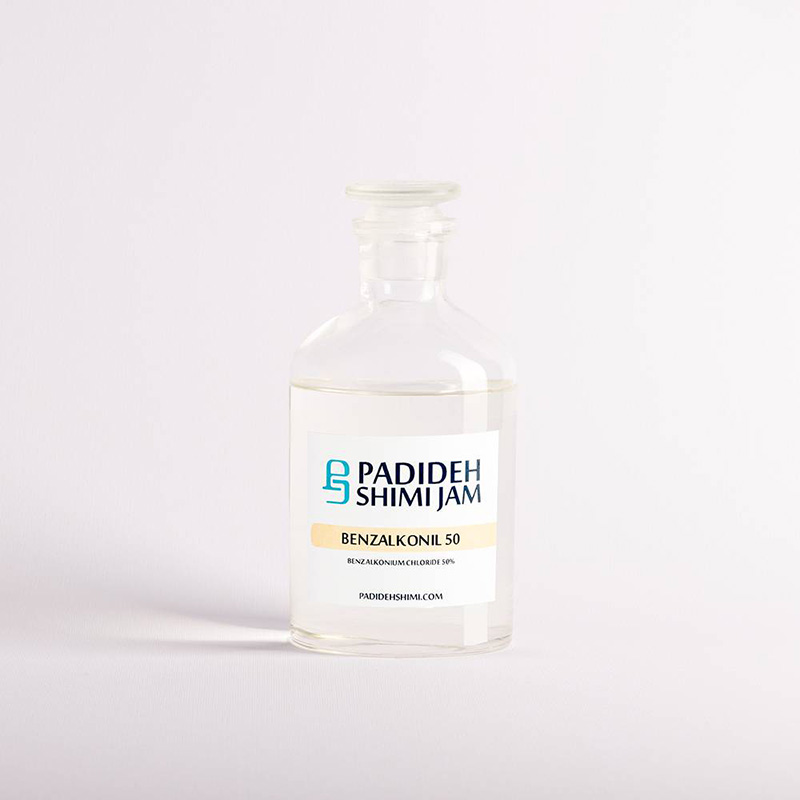
n-Alkyl dimethyl benzyl ammonium chloride 50 or Benzalkonium Chloride 50 or BENZALKONIL 50, a low-foaming cationic surfactant and quaternary ammonium compound, is used in disinfectant and sanitizer products. By disrupting the cell membrane of microorganisms, this substance causes the inactivation or destruction of microbes and viruses, and it is used as a disinfecting agent, preservative, surfactant, antistatic agent, and bio-based corrosion inhibitor.
Minimum Order Quantity: 220 kg Double-Neck Plastic Drum
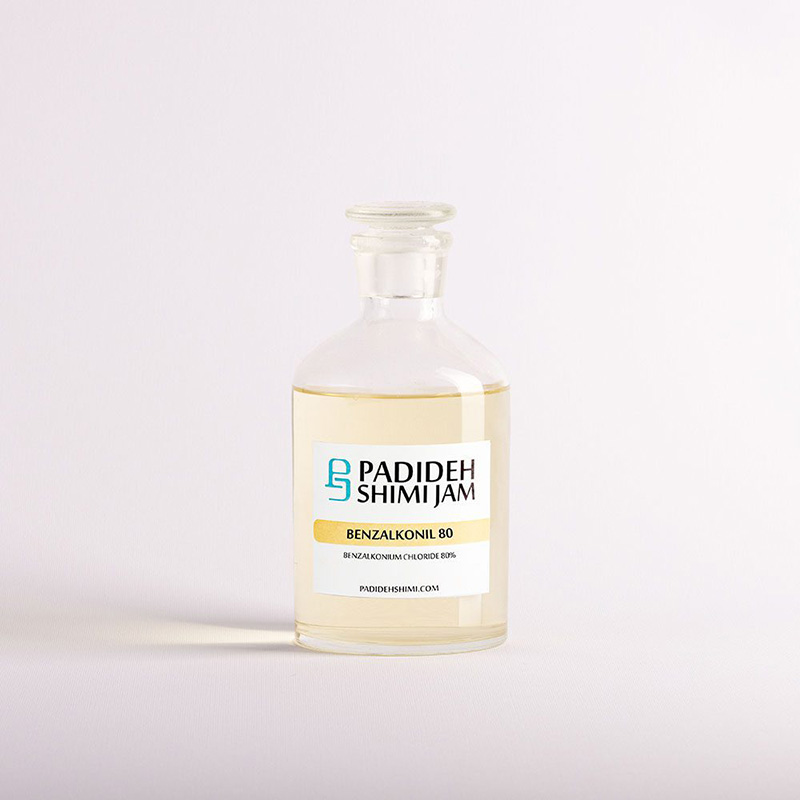
Benzalkonium Chloride 80 or n-Alkyl dimethyl benzyl ammonium chloride 80, is a quaternary ammonium compound. This substance is a low-foaming cationic surfactant, disinfectant, preservative, antistatic agent, retarder, and bio-based corrosion inhibitor agent.
Minimum Order Quantity: 220 kg Double-Neck Plastic Drum
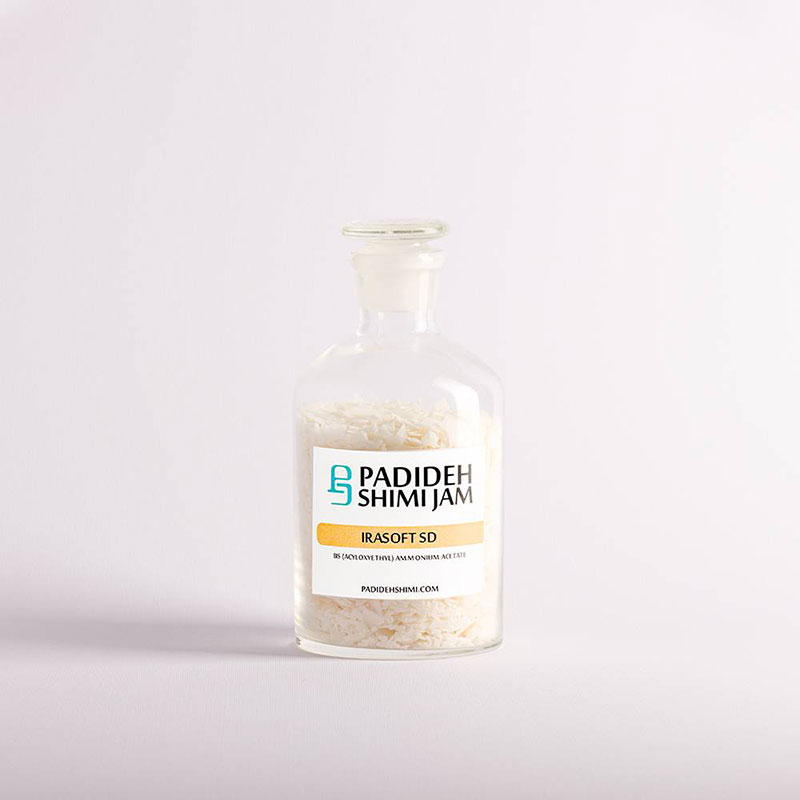
Bis(acyloxyethyl) ammonium acetate, or Irasoft SD, is a non-ionic surfactant with weak cationic properties, supplied in the form of pale yellow flakes. While predominantly non-ionic, it possesses a slight positive charge. Featuring softening, antistatic, and rewetting properties, along with high thermal yellowing resistance, it remains stable at concentrations of 1% to 10% and is compatible with textile finishing agents, making it ideal as an active softening agent in textiles.
Minimum Order Quantity: 20 kg Bag
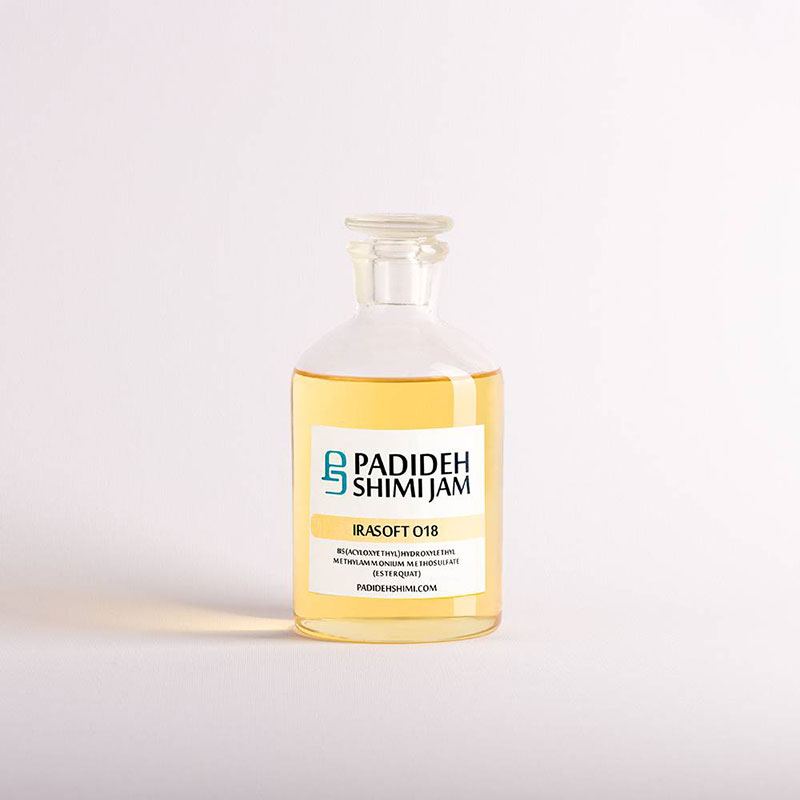
Bis(acyloxyethyl) hydroxyethyl methyl ammonium methosulfate (esterquat), or Irasoft O18, is a low-foaming cationic surfactant based on oleic acid. Possessing properties such as softening, rewetting enhancement, and facilitating easy ironing, it serves as the primary active conditioning agent in fabric and towel softeners as well as in the textile industry. Thanks to its physical form, it is easy to use and eliminates the need for melting or hot room processing.
Minimum Order Quantity: 1-Ton IBC Tote Container
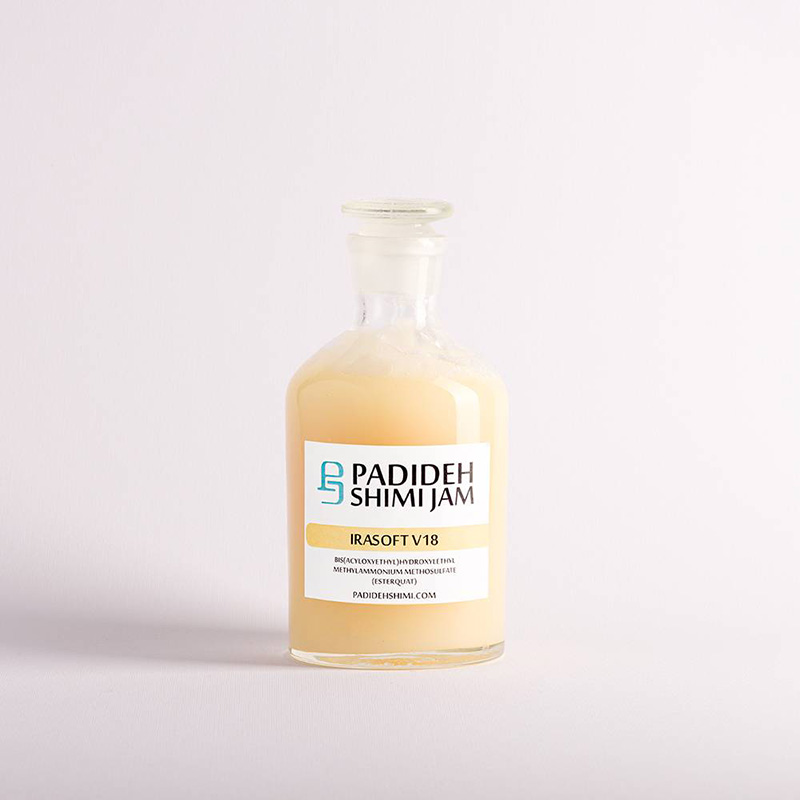
Bis(acyloxyethyl) hydroxyethyl methylammonium methosulfate (esterquat) or IRASOFT V18 is a quaternary ammonium compound and low-foaming cationic surfactant featuring a yellow, paste-like appearance. With excellent softening, anti-static, rewetting facilitation, and easy ironing properties, it is used across a wide range of concentrations in various fabric and towel softeners, as well as in the textile industry.
Minimum Order Quantity: 220 kg Open-Head Steel Drum
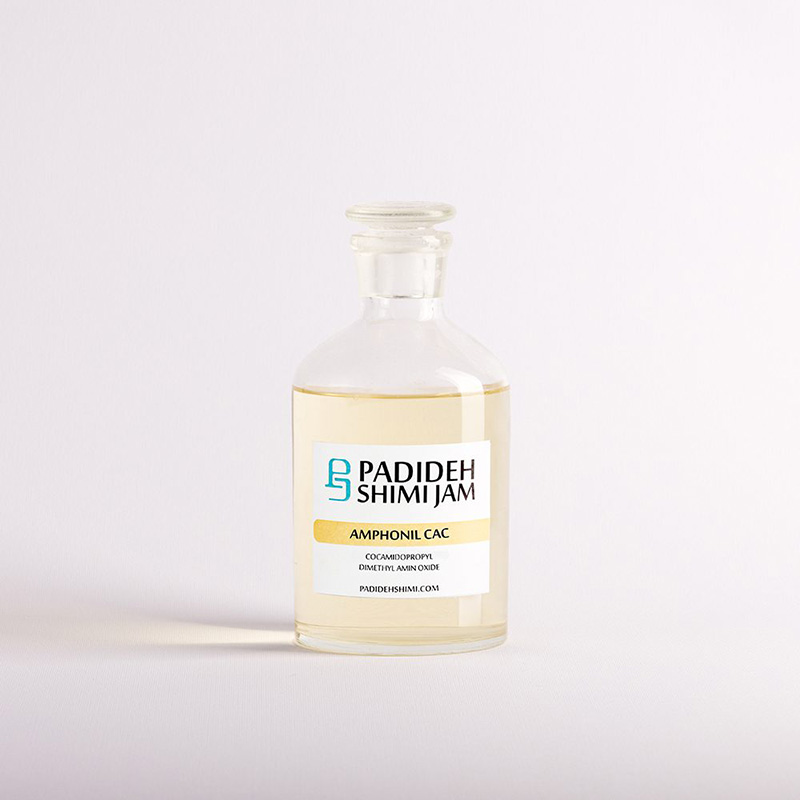
Cocamidopropyl Dimethylamine Oxide or OXONIL CAC is a mild, high-foaming amphoteric surfactant derived from coconut oil, featuring a clear, pale yellow liquid appearance. Its key advantages include the ability to improve viscosity and enhance formulation stability. It acts as a foam booster and stabilizer, is compatible with cationic, anionic, amphoteric, and non-ionic surfactants, provides anti-static properties, is biodegradable, and remains stable in hydrogen peroxide environments.
Minimum Order Quantity: 220 kg Tight-Head Plastic Drum
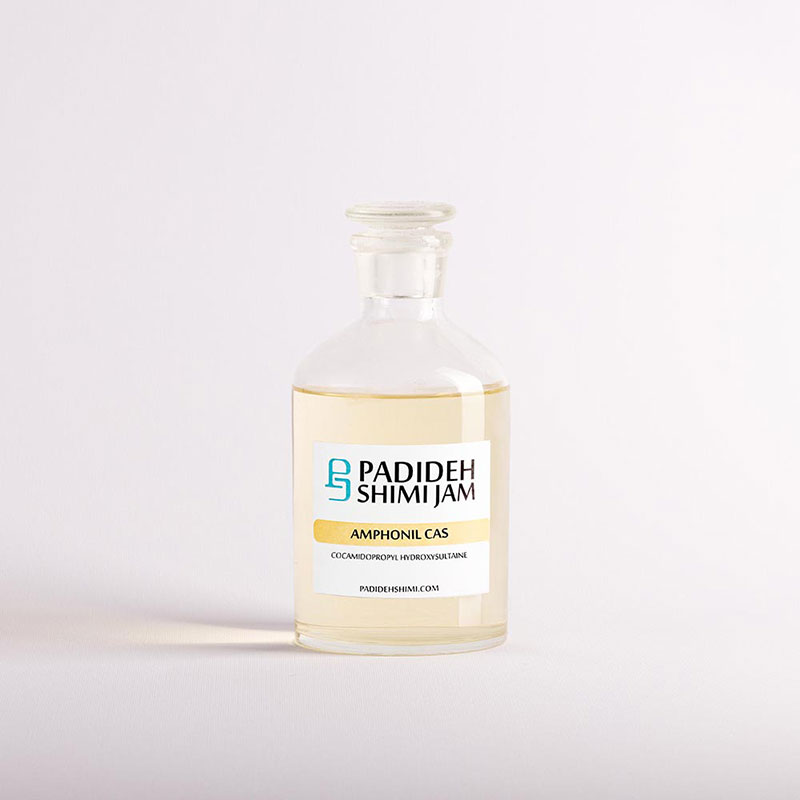
Cocamidopropyl Hydroxysultaine is an amphoteric surfactant in the sulfobetaine (sultaine) class derived from coconut oil. It is commonly used as a foam booster and viscosity builder in personal care products, as well as in household and industrial detergents.
Minimum Order Quantity: 220 kg Double-L-Ring Plastic Drum
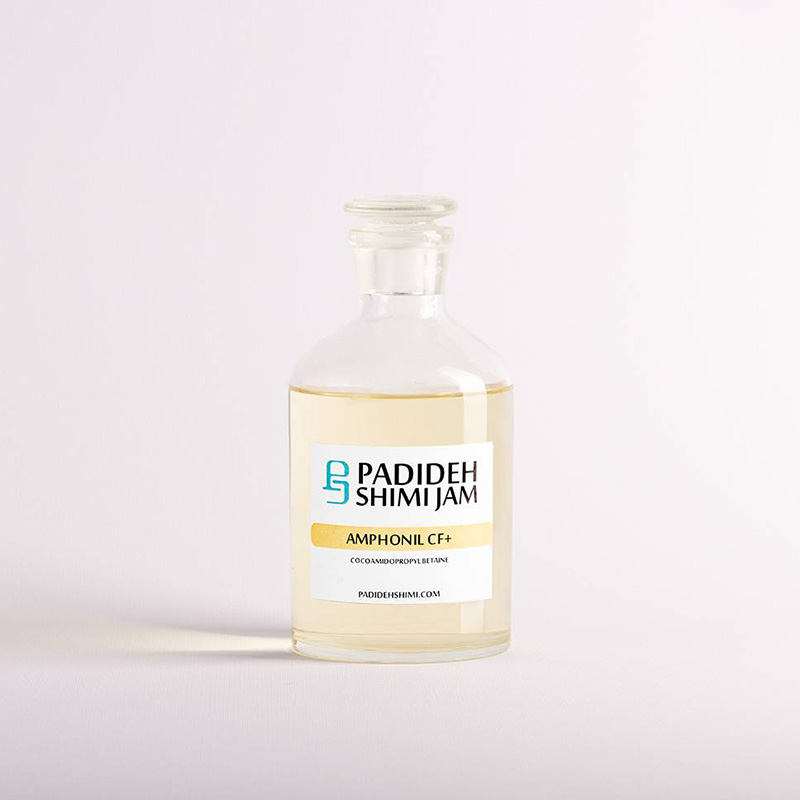
Cocoamidopropyl Betaine is a mild amphoteric surfactant based on coconut oil and dimethylaminopropylamine, utilized as a secondary surfactant in personal care products such as shampoos, moisturizing creams, body washes, conditioners, and liquid soaps.
Minimum Order Quantity: 220 kg double-inlet plastic drum
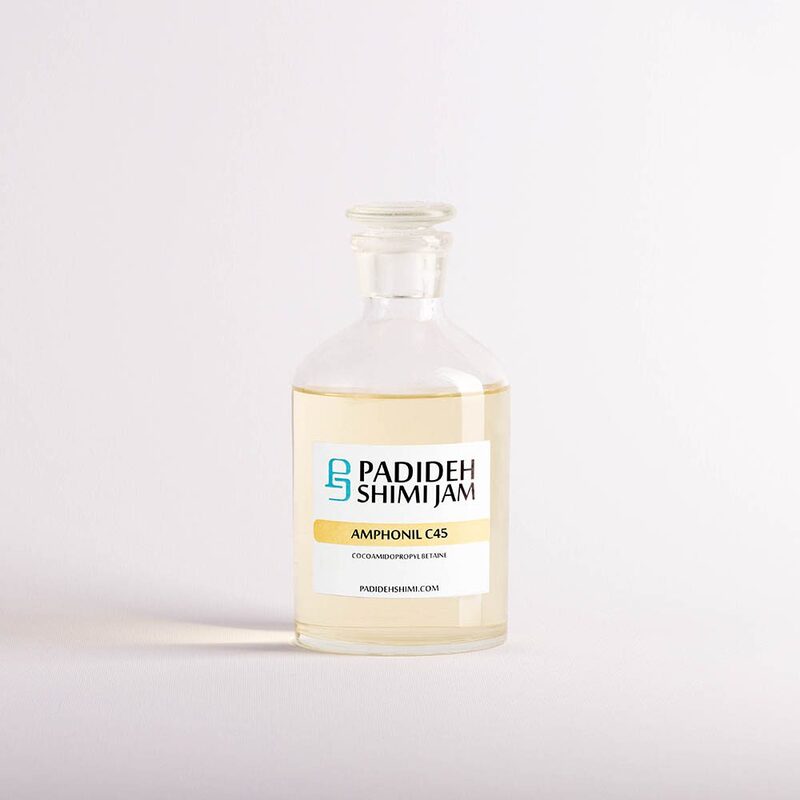
AMPHONIL C45 (Cocamidopropyl Betaine with higher active content) is an amphoteric surfactant based on dimethylaminopropylamine and coconut oil. It is used as a primary or secondary surfactant in personal care products, including moisturizing creams, shampoos, body wash products, liquid soaps, and conditioners, as well as in household care products such as hand wash and dishwashing liquids. Compared with similar products, this ingredient has higher dry residue and active content, which helps reduce production costs for personal and household care product manufacturers.
Minimum Order Quantity: One 220 kg Double-Opening Plastic Drum
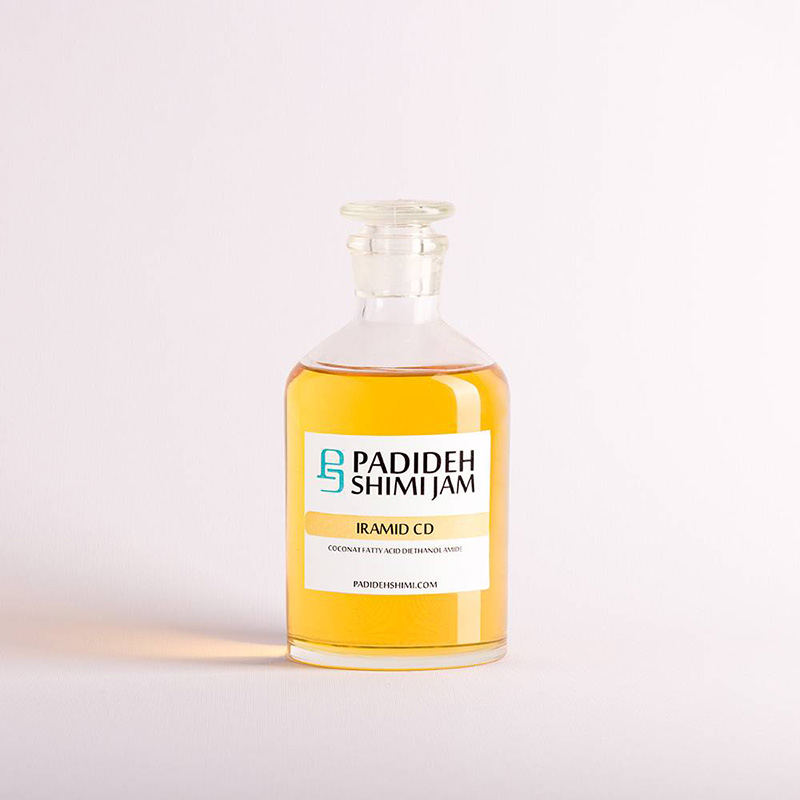
Coconut Fatty Acid Diethanolamide (CFADEA) is a non-ionic surfactant capable of boosting foam and viscosity even in the presence of small amounts of electrolytes. Its unique features include a mild color and the absence of methyl ester or methanol odors. This substance can synergize with other surfactants and additives, improving the overall performance of the formulation. This compound is used in various industries, particularly in the production of hygienic and cleaning products.
Minimum Order Quantity: 220 kg Reconditioned Tight-Head Steel Drum & New Tight-Head Plastic Drum
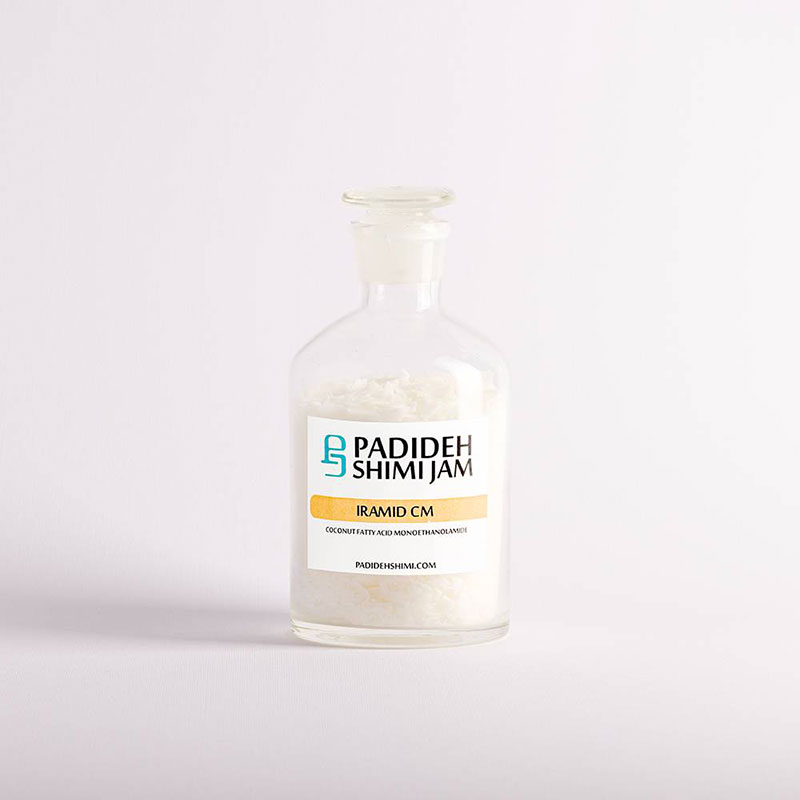
Coconut Fatty Acid Monoethanolamide (CFA-MEA) is a non-ionic surfactant based on coconut oil and ethanolamine. Due to its conditioning power, foam boosting, and viscosity enhancement compared to other alkanolamides even at low electrolyte concentrations, lack of methyl ester odor, and the absence of nitrosamines (carcinogenic agents) and methanol in its formulation, it has become a unique surfactant in the production of personal care and detergent products.
Minimum Order Quantity: 20 kg Bag
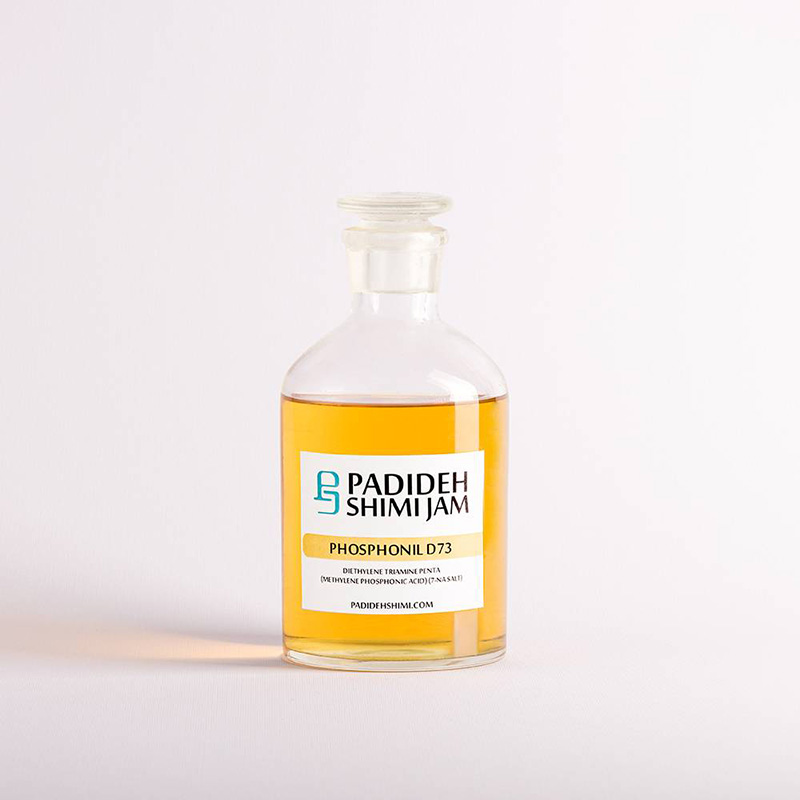
Diethylene Triamine Penta Methylene Phosphonate Heptasodium Salt, DTPMP(7Na), PHOSPHONIL D73, or Phosphonate Salt, is a clear yellow liquid belonging to the phosphonate family. It serves as a scale and corrosion inhibitor in water and wastewater treatment, oil, gas, and petrochemical industries. It prevents stain re-deposition and hard water ion precipitation on fabrics and surfaces, while acting as an antiscalant and peroxide stabilizer. It remains stable across a wide pH range and is biodegradable.
Minimum Order Quantity: 220 kg Tight-Head Plastic Drum
Detergent raw materials refer to substances used in the production of detergent and hygienic products, playing a fundamental role in the quality, efficiency, and safety of these products. These compounds not only determine the cleansing power of the product but also directly affect its skin compatibility, chemical stability, and environmental impacts.
The precise and standard selection of raw materials is a guarantee for producing effective, safe, and environmentally friendly products that preserve individual and societal health.
Chemical raw materials used in detergent and hygienic products are typically divided into two categories:
Personal Care Raw Materials: Personal care detergent raw materials include surfactants, humectants, solvents, preservatives, thickeners, and emulsifiers, which are used in the production of various shampoos, soaps, face and body washes, toothpaste, and baby care products.
Home Care Raw Materials: Home care raw materials include surfactants, bleaching agents, enzymes, emulsifiers, anti-foaming agents, preservatives, and stabilizers, which are utilized in manufacturing household detergents such as dishwashing liquid, laundry liquid, laundry powder, scale removers, concentrated bleach, and multi-purpose cleaners.
Chemical raw materials utilized in household detergent formulations encompass surfactants, bleaching agents, enzymes, emulsifiers, anti-foam agents, preservatives, and stabilizers. These compounds play a key role in increasing cleansing power, formula stability, and improving the final product quality, and are used in producing various household detergent products such as dish, laundry, and surface cleaners, etc.
The types of chemical raw materials used in manufacturing detergent and hygienic products can be classified into several key and main categories:
1- Anionic surfactants such as Sodium Lauryl Ether Sulfate and Disodium Lauryl Ether Sulfosuccinate
2- Cationic surfactants such as Esterquat
3- Amphoteric surfactants such as Cocamidopropyl Betaine
4- Non-ionic surfactants such as Coconut Fatty Acid Diethanolamide (Lauramide)
The performance of consumed detergent raw materials is usually evaluated at three levels:
These three levels together determine the final quality of the product and its success in the market..
Sourcing and purchasing detergent raw materials for industries, manufacturing workshops, and cosmetic/hygienic brands require precision in quality, pricing, and resource sustainability. Choosing a manufacturer that possesses specialized technical knowledge in formulation along with the capability of customized production in industrial volumes plays a key role in project success. Obtaining MSDS and TDS sheets along with technical consultation support are considered vital requirements in this process.
The list of detergent raw materials varies depending on the type of final product (hand wash liquid, shampoo, laundry powder, multi-purpose cleaner, soap, etc.), but some widely used compounds include the following:
The price of detergent raw materials, as one of the critical factors in determining the final cost of end products, holds high importance. Achieving a suitable price not only helps maintain manufacturers’ profit margins but also enables offering products at competitive prices in the market. In this regard, purchasing chemical raw materials directly from primary raw material manufacturers can bring significant advantages in terms of price and quality, since intermediaries are eliminated and the possibility of direct negotiation over price and conditions is provided. Furthermore, manufacturers often have greater oversight over the quality of their raw materials and can offer more stability in supply and pricing, which is crucial for production planning and cost management. Therefore, paying attention to a fair price alongside quality assurance and purchasing from first-hand sources like manufacturers is considered a key strategy for success in the detergent manufacturing industry.
Given the importance of maintaining the safety and quality of chemical raw materials, the most essential storage conditions are:
Knowing the safety tips for detergent raw materials (MSDS) is mandatory for all production units. This document contains information regarding toxicity, flammability, storage conditions, measures upon exposure to leakage or contact, and safe disposal methods of materials. The Padideh Shimi technical team will provide you with all safety and technical information along with the product.
For those manufacturers looking to reduce costs and guarantee quality, buying bulk detergent chemical raw materials from the factory is an economical and reliable option. Padideh Shimi Jam complex, as a direct chemical raw materials manufacturer, has provided the possibility of offering products with specified purity grades, strict quality control, and sending complete technical documentation.
The Padideh Shimi Jam Company, as one of the large and prominent manufacturers of detergent raw materials in Iran, leveraging applied chemical knowledge, advanced production lines, and an R&D team, possesses the capability to supply the raw materials required for household, cosmetic, and industrial formulations. This company’s products are used in personal care industries, household detergents, industrial hygiene, and even cosmetic raw materials.
To obtain more information about specialized sub-branches such as personal care raw materials and home care raw materials, and to receive advice for selecting appropriate compounds matched with your brand’s exclusive formulation, please contact our experts.
Frequently Asked Questions
1- Why does the quality of detergent chemical raw materials matter in final product production?
The quality of detergent raw materials directly affects final product performance such as cleansing power, foam stability, skin safety, and shelf life. Using low-quality materials can cause sedimentation, color change, formula instability, reduced detergent effect, and even microbial contamination of the product. Therefore, choosing a reputable supplier with strict quality control is very important.
2- What is the difference between industrial and household detergent raw materials?
Industrial detergent raw materials are usually designed with higher concentrations, harsher cleansing power, resistance to hard water, and performance capability at high temperatures. In contrast, household detergents focus on safety, mildness, high foaming, and fragrance. For instance, caustic soda (Sodium Hydroxide) and phosphonates find greater application in industrial detergents.
3- What factors are influential in determining the daily price of detergent raw materials?
Factors such as the following are influential in the price of detergent raw materials:
The download link will be sent to you via SMS.